Tractor seats may look like simple cabin parts, but they directly affect how long an operator can work with stable focus. In tractor operation, the seat connects the driver to the machine and controls.
For OEMs, distributors, repair channels, and rental fleets, the right seat is not only about comfort. The real value comes from choosing tractor seats with the right suspension, posture support, and adjustment range.
How Do Fatigue, Vibration, and Static Posture Affect Tractor Driver Productivity?
Fatigue, vibration, and static posture reduce productivity because they make tractor drivers tired faster and less focused during long field work.
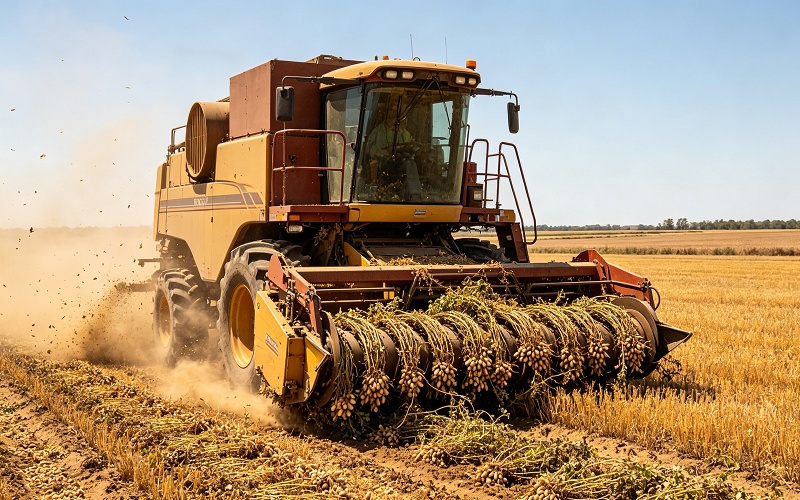
Agricultural work often happens on uneven soil, slopes, rutted paths, and mixed road surfaces. Repeated vibration can travel through the seat into the driver’s lower back, neck, shoulders, and legs.
When the seat cannot absorb movement well, the driver must keep stabilizing the body while steering and using controls. This extra effort can reduce attention and slow reaction. Static sitting also adds pressure, especially when the seat is too hard, too low, too far from controls, or lacks lumbar support.
Common productivity problems from poor seating include:
- Faster fatigue during long operating hours
- Reduced focus from vibration and jolts
- More posture changes while driving
- Slower control response due to poor reach
- More discomfort in the back, shoulders, and legs
Why do poor posture and limited adjustment slow down work?
Poor posture slows work because the operator spends energy reaching, twisting, or bracing instead of focusing on the machine and task.
A seat too far from the pedals can force the driver to lean forward. A seat without lumbar support can let the lower back collapse. A seat with limited slide adjustment may only fit one operator well. Adjustable tractor seats help different operators reach pedals, steering, and control levers without changing posture constantly.
What Makes a Tractor Seat Ergonomic?
An ergonomic tractor seat supports posture, absorbs movement, fits the cabin layout, and allows practical adjustment for different operators.
| Factor | Why it matters | What buyers should check |
| Suspension | Manages jolts | Type and weight range |
| Lumbar support | Supports the lower back | Manual or fixed support |
| Slide rail | Improves control reach | Forward/backward adjustment |
| Armrests | Reduces arm strain | Fixed or adjustable options |
| Cover | Affects cleaning | PVC or waterproof surface |
| Mounting size | Affects installation | Hole pattern compatibility |
Why are suspension, lumbar support, and foam support important?
Suspension, lumbar support, and foam support matter because they control impact, body pressure, and sitting posture.
Suspension helps reduce vertical movement from rough ground. Lumbar support helps the lower back stay stable. Foam support spreads body pressure so the operator does not sink into one weak point.
For OEM tractor seats, these details should be reviewed during cabin design. For aftermarket buyers, they help confirm whether a replacement seat will actually solve the operator’s comfort problem.
How do slide rails, armrests, and weight adjustment help daily operation?
Slide rails, armrests, and weight adjustment help operators sit in a stable position without fighting the machine layout.
Slide rails set the right distance from the steering wheel, pedals, and control levers. Armrests reduce shoulder tension during steering and repetitive control use. Weight adjustment helps the suspension respond to the operator.
How Can Better Tractor Seats Reduce Downtime and Replacement Costs?
Better tractor seats can reduce downtime by improving fitment, reducing operator complaints, and making replacement decisions easier for maintenance teams.
Replacement decision checklist:
- Is the cushion compressed or uneven?
- Is the cover cracked, slippery, or hard to clean?
- Does the suspension still move smoothly?
- Are the slide rails stable and adjustable?
- Does the mounting size match the tractor?
- Does the seat include required options such as armrests or a belt?
How Can Buyers Judge Seat Impact on Tractor Work?
How Can Buyers Judge Seat Impact on Tractor Work?
Buyers comparing replacement seats for tractors should check whether the seat still supports posture, absorbs vibration, and allows stable control reach.
Collapsed foam, loose rails, weak suspension, or poor seat height can make drivers tired faster and force more posture changes. In this case, replacement supports comfort and productivity.
How Can Distributors Connect Universal Seats With Ergonomic Value?
Distributors choosing agricultural universal tractor seats need products that cover common replacement needs and still give customers clear reasons to choose one model over another.
Instead of saying one seat fits all tractors, distributors should explain mounting size, rail travel, seat height, suspension range, and operator comfort needs.
Which SOURCE ONE Tractor Seat Fits Ergonomic Agricultural Applications?
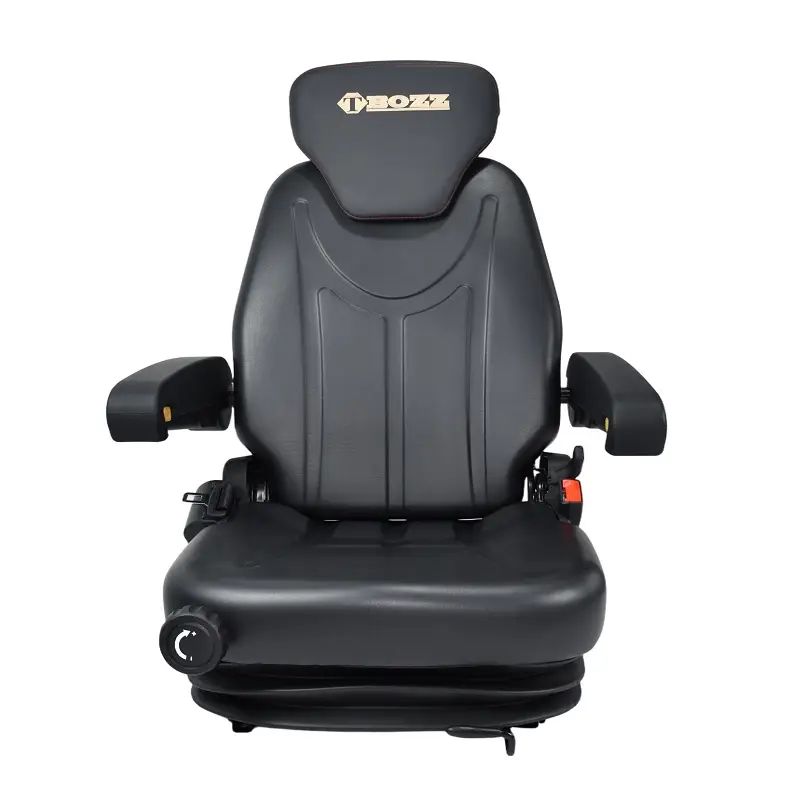
The SOURCE ONE Universal Replacement Seat for Tractors with Adjustable Lumbar Support & Armrests is a suitable example because its official product information connects directly with suspension, posture support, adjustment, and replacement fitment.
This product is designed for tractor and agricultural machinery replacement use. It is relevant for buyers comparing OEM tractor seats and ergonomic seat options for field machines.
According to the official product page, the seat uses a mechanical suspension system with a 40 mm suspension stroke. It also lists a 50–120 kg weight adjustment range, which helps the suspension match different operators.
The product page also lists 80 mm forward and 80 mm backward slide rail adjustment, which helps operators set the right distance from pedals, steering, and control levers.
For posture support, the seat includes adjustable armrests and an optional manual lumbar support function. For material reference, the seat uses a PVC cover and an iron plate frame. The official page also lists an optional two-point retractable seat belt.
These details make the product easier to evaluate than a generic seat description. Buyers can check whether the suspension, adjustment range, material, and mounting requirements match the target tractor model before sample testing or bulk orders.
How Can SOURCE ONE Product Data Help Buyers Compare Tractor Seats?
SOURCE ONE SEATING CO., LTD helps tractor seat buyers compare products through practical details such as suspension type, weight adjustment, slide rail travel, lumbar support, armrests, cover material, and fitment information.
For OEMs, these details support cabin design and specification discussion. For distributors, repair channels, and rental fleets, clear product data makes it easier to explain how a seat supports comfort, posture, and long-hour operation.
Conclusion: Why Are Ergonomic Tractor Seats a Productivity Investment?
Ergonomic tractor seats are a productivity investment because they help operators stay focused, reduce discomfort from vibration and poor posture, and make tractors easier to operate during long workdays.
For OEMs, the right seat supports machine usability and operator experience. For distributors, the right seat improves replacement confidence and inventory efficiency. For rental fleets and repair channels, the right seat can reduce repeated complaints.
This replacement tractor seat shows how a specific product can be reviewed through practical sourcing factors. Its suspension, weight adjustment, slide rail travel, armrests, PVC cover, and optional lumbar support give buyers clear points to check before sourcing.
A poorly fitted or worn seat can create problems every hour the tractor is in use. That is why ergonomic tractor seating deserves a clear place in sourcing, maintenance, and product development decisions.
FAQ: Ergonomic Tractor Seats and Field Productivity
How does seat design affect tractor driver focus?
Seat design affects focus by reducing vibration, supporting posture, and helping the driver reach pedals, steering, and control levers without strain.
Why does static sitting cause fatigue in tractor work?
Static sitting keeps pressure on the lower back, hips, and legs for long periods. Without proper lumbar support and adjustment, the driver may lean, twist, or shift position more often.
Which tractor seat features help improve long-hour operation?
Suspension, foam support, lumbar support, slide rails, armrests, and weight adjustment help improve comfort, reduce vibration impact, and support stable control during long field work.