In industrial machinery environments such as logistics hubs, construction sites, mining operations, and agricultural fields, equipment uptime and lifecycle cost efficiency are critical performance indicators. While engines and hydraulic systems are often the focus of maintenance planning, operator seats also play a significant role in determining long-term maintenance costs. As a professional OEM and ODM manufacturer, Source One develops industrial seating systems engineered to reduce wear, extend service life, and minimize maintenance requirements under harsh working conditions.
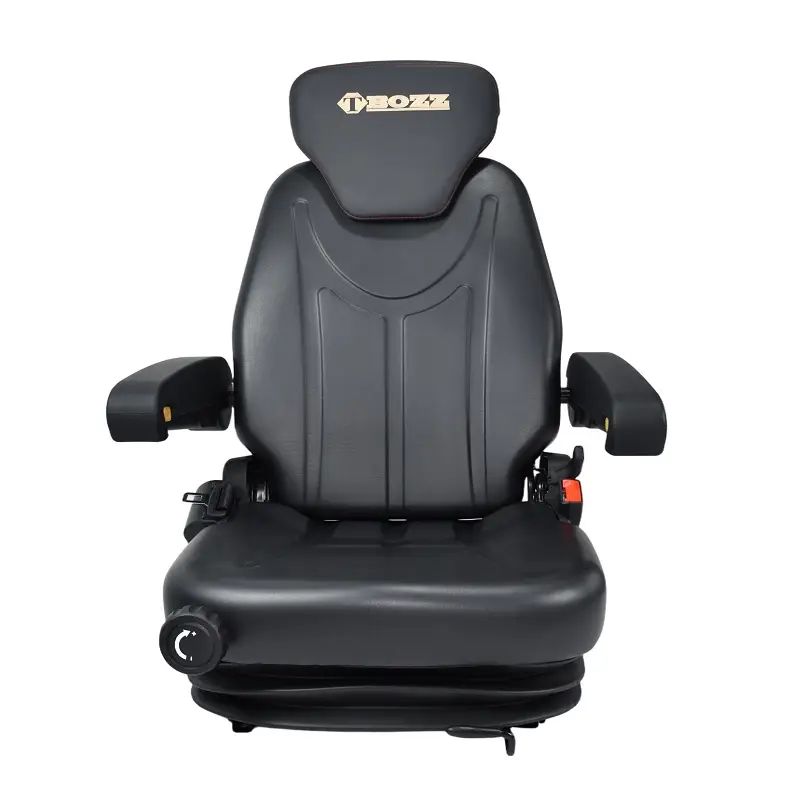
In our production and engineering practice, we design high-durability forklift operator seat systems that integrate structural reinforcement, optimized suspension mechanisms, and ergonomic design to significantly reduce maintenance frequency and operational downtime.
Why Seat Design Directly Impacts Maintenance Costs
Industrial seat maintenance costs are often underestimated, yet they accumulate significantly over time due to frequent replacements, repairs, and downtime. Poorly designed seats suffer from premature wear in critical areas such as suspension joints, adjustment rails, foam cushioning, and structural frames.
When vibration is not properly absorbed or when structural strength is insufficient, mechanical fatigue accelerates component failure. This leads to higher maintenance frequency and increases operational costs. In large-scale industrial operations, even minor inefficiencies in seating systems can translate into significant financial losses over time. Therefore, improving seat design is not only a comfort-related decision but also a strategic cost-control measure for industrial fleet operators.
Structural Engineering and Load Distribution Optimization
One of the most effective ways to reduce maintenance costs is through optimized structural engineering. Industrial seats are constantly exposed to dynamic loads caused by machine movement, terrain irregularities, and operator activity. High-strength steel frames are widely used to ensure structural integrity and prevent deformation under long-term stress. Reinforced geometric design helps distribute mechanical load evenly, reducing stress concentration points that typically lead to early failure.
At Source One, we apply standardized welding processes and precision mold manufacturing to ensure consistent structural strength across all seat components. This helps minimize structural fatigue and extend overall service life. A well-engineered forklift driver seat must therefore incorporate reinforced structural design to ensure long-term durability and reduced maintenance requirements in high-intensity working environments.
Mechanical Suspension Systems and Maintenance Reduction
Suspension systems are a key factor in determining how much stress is transferred to seat components. Without proper vibration isolation, mechanical fatigue accelerates wear across the entire seat structure. Mechanical suspension systems use springs and dampers to absorb vertical shock, while pneumatic systems adjust air pressure to accommodate operator weight and operating conditions. Hybrid systems combine both technologies for improved vibration control and durability.
By reducing vibration transmission, these systems significantly decrease wear on structural components, adjustment mechanisms, and cushioning materials. This directly reduces maintenance frequency and improves operational stability. At Source One, we conduct long-cycle fatigue testing on suspension components to ensure they maintain consistent performance under real-world industrial conditions.
Material Engineering for Long-Term Durability
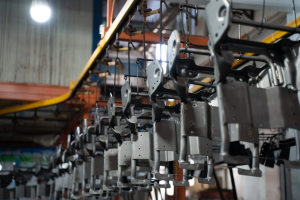
Material selection is another critical factor in reducing maintenance costs. Industrial seats must withstand continuous vibration, temperature fluctuations, moisture exposure, and mechanical stress. High-density foam is commonly used in seating cushions because it maintains elasticity and structural integrity over long periods of use. Steel components are treated with anti-corrosion coatings such as electrophoresis or powder coating to prevent rust and degradation. These material engineering strategies significantly extend product lifespan and reduce the need for frequent part replacements. In our manufacturing system, we carefully select materials based on application-specific requirements to ensure maximum durability and cost efficiency for industrial clients.
Ergonomic Design as a Maintenance Optimization Factor
Ergonomic design also plays an indirect but important role in reducing maintenance costs. Poor ergonomics can lead to uneven pressure distribution and irregular usage patterns, which accelerate wear on cushions and mechanical components. Proper ergonomic alignment ensures that operator weight is evenly distributed across the seat surface, reducing localized stress and extending component lifespan. Additionally, ergonomic comfort reduces operator fatigue, which helps prevent misuse and unnecessary strain on the seating system. This contributes to more consistent performance and fewer maintenance interventions over time.
Environmental Resistance and Protective Engineering
Industrial seats are frequently exposed to harsh environments including dust, moisture, oil, and chemical contaminants. Without proper protection, these factors can significantly shorten service life and increase maintenance requirements. Corrosion-resistant coatings, sealed mechanical structures, and protective design features help prevent environmental damage. These measures are especially important for outdoor machinery operating in construction and agricultural environments. By reducing exposure to damaging elements, manufacturers can significantly extend maintenance intervals and improve long-term reliability. At Source One, environmental durability is integrated into every stage of product design, from material selection to final assembly.
Manufacturing Precision and Quality Control Systems
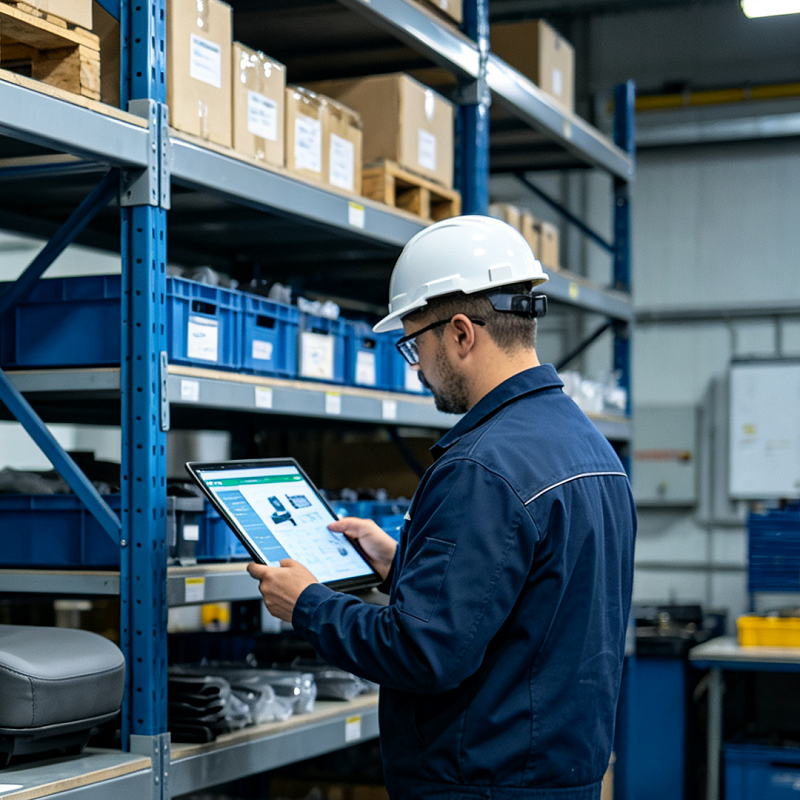
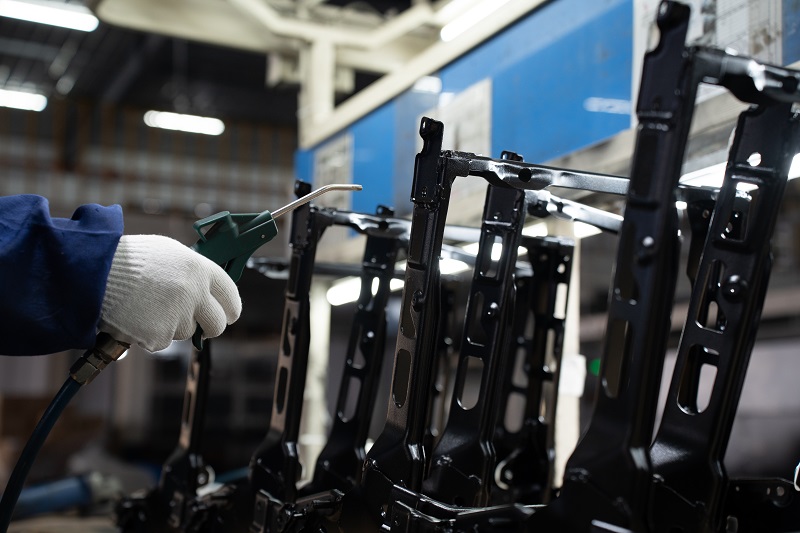
Manufacturing precision plays a crucial role in ensuring long-term seat performance. Poor assembly tolerances can lead to misalignment, increased friction, and accelerated wear in mechanical components. We utilize integrated production systems including stamping, welding, foam molding, and surface finishing to maintain consistent quality across all components. Each seat undergoes rigorous testing to ensure compliance with durability and performance standards. This structured manufacturing approach significantly reduces the risk of field failures and maintenance-related issues.
Industrial Applications and Cost Efficiency
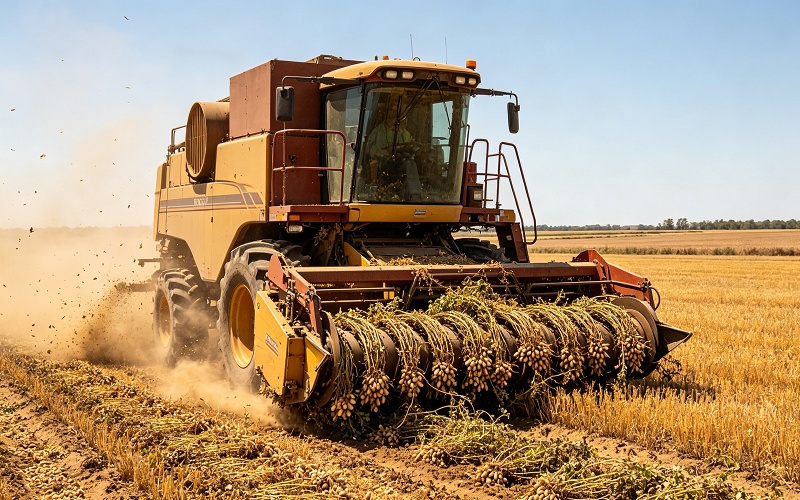
Industrial seats are widely used in forklifts, excavators, loaders, agricultural machinery, and mining equipment. Each application has different maintenance demands depending on usage intensity and environmental exposure. Forklifts, for example, require compact but highly durable seating systems capable of withstanding continuous short-cycle operations. Construction machinery requires high vibration resistance for long working hours in harsh environments. In these scenarios, reducing maintenance costs is essential for improving operational efficiency and minimizing downtime. A properly designed forklift operator seat must balance structural durability, ergonomic comfort, and suspension performance to ensure long-term cost efficiency in industrial applications.
Conclusion
Seat design plays a critical role in reducing maintenance costs for industrial vehicles. Through structural reinforcement, advanced suspension systems, optimized material selection, ergonomic engineering, and precision manufacturing, the lifespan of industrial seats can be significantly extended. As a professional OEM and ODM manufacturer, Source One continues to develop high-performance seating systems designed to minimize maintenance requirements and improve operational efficiency. By focusing on engineering-driven durability, we help industrial operators reduce lifecycle costs while ensuring reliable performance in demanding environments.