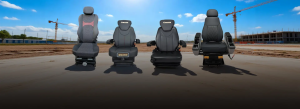
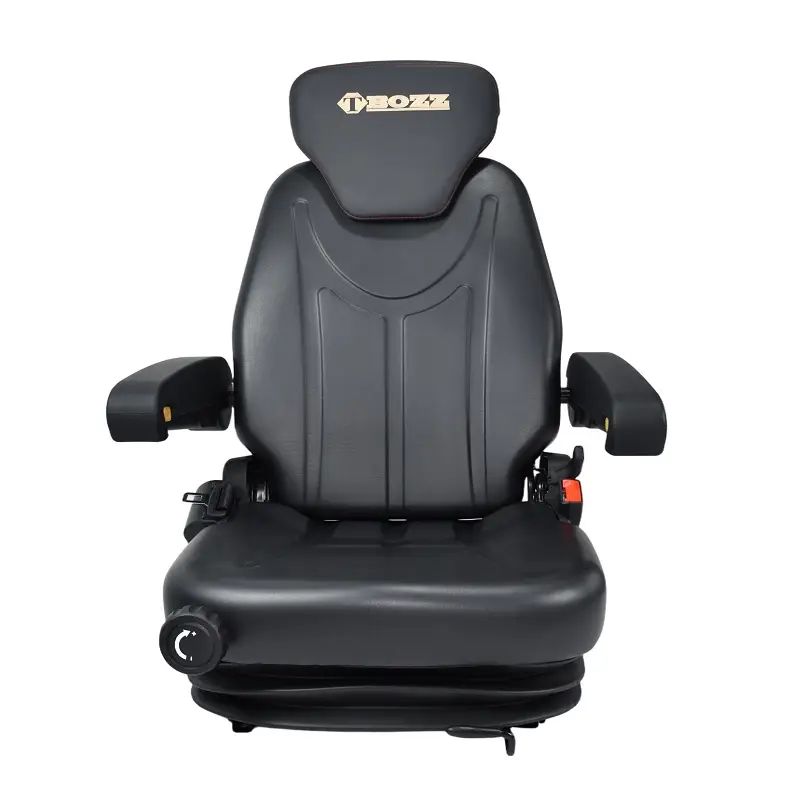
In industrial equipment procurement, total cost control is not determined solely by the initial purchase price of components. For operator seating systems used in construction machinery, agricultural vehicles, and industrial equipment, lifecycle cost—including durability, maintenance frequency, downtime impact, and supplier stability—plays a far more significant role. Many buyers underestimate how seating performance influences operational efficiency. As a manufacturing-focused OEM supplier, Source One provides engineered seating solutions designed to help reduce long-term procurement costs through improved durability and system integration.
Why Procurement Cost Goes Beyond Initial Pricing
A common mistake in industrial sourcing is focusing too heavily on unit price while ignoring downstream operational costs. In reality, a low-cost seat often results in higher long-term expenses due to frequent replacements, increased maintenance needs, and reduced operator comfort. These factors contribute to higher total ownership costs across the equipment lifecycle.
In industries such as mining, logistics, and construction, equipment operates for long hours under high vibration and load conditions. Seating systems that are not engineered for such environments tend to degrade faster, leading to unplanned downtime and increased spare part consumption. This is why procurement decisions must shift from price-based evaluation to lifecycle cost assessment. This is particularly important when selecting heavy equipment replacement seats, where structural durability directly influences long-term operational efficiency.
Material Quality and Structural Design as Cost Drivers
One of the most effective ways to reduce procurement cost is to prioritize seating systems built with high-quality materials and reinforced structural engineering. Industrial seats are continuously exposed to vibration, impact loads, and environmental stress, making material strength a critical factor in product lifespan.
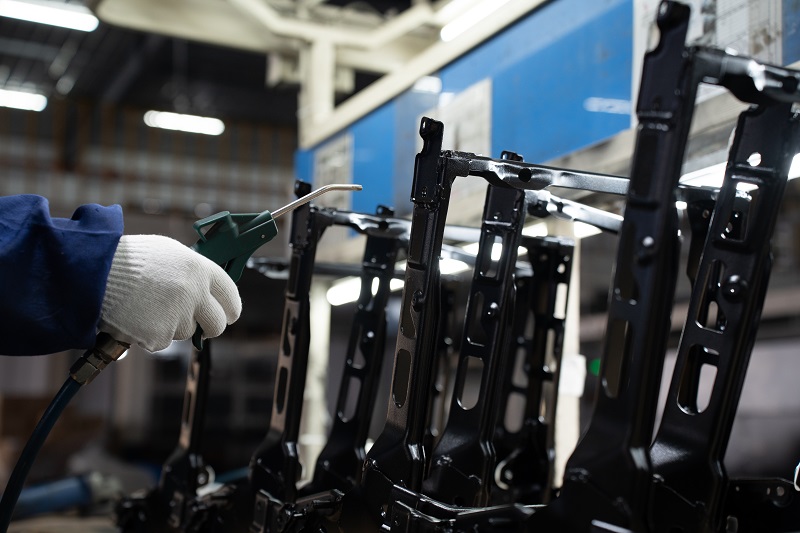
Poor-quality steel frames, weak welding points, and low-density foam materials significantly shorten service life. This leads to frequent replacements, which increase procurement cycles and logistics expenses. Over time, these recurring costs far exceed the savings from choosing lower-priced products.
High-performance seating systems use reinforced steel structures, corrosion-resistant coatings, and high-resilience foam to ensure long-term durability. These engineering improvements directly reduce failure rates and extend replacement intervals, lowering total lifecycle cost. In industrial applications, buyers increasingly evaluate suppliers based on product engineering quality rather than upfront cost alone when sourcing industrial seats.
Standardization and OEM Integration Reduce Hidden Costs
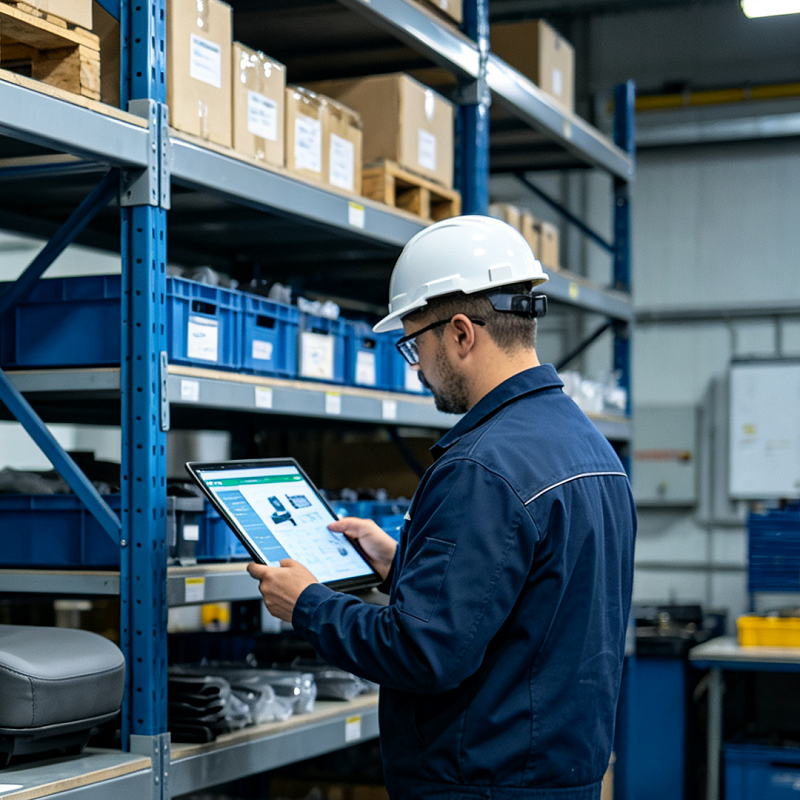
Standardization is another key factor in reducing procurement costs. When seating systems are designed with modular structures and standardized components, spare parts management becomes simpler and inventory efficiency improves significantly. OEM integration further reduces hidden costs by ensuring compatibility between seating systems and machinery platforms. Without proper integration, buyers may face additional engineering modifications, installation adjustments, or adapter requirements, all of which increase labor and procurement expenses.
At Source One, product development is closely aligned with OEM requirements to ensure consistency across production batches. This reduces variability, simplifies installation, and improves long-term supply chain efficiency for global customers.
Ergonomics and Productivity Impact on Total Cost
Although often overlooked in procurement decisions, ergonomic performance has a direct influence on operational cost. Poor seating design can lead to operator fatigue, reduced concentration, and higher error rates during machine operation. In continuous operation environments, even small reductions in operator efficiency can accumulate into significant productivity losses over time. This makes ergonomic optimization a critical factor in total cost control. Modern seating systems are designed with adjustable suspension, lumbar support, and vibration damping to improve operator comfort and reduce fatigue during long shifts. These features help maintain productivity and reduce indirect operational costs.
Supplier Capability and Manufacturing Stability
Supplier reliability is another important but often underestimated factor in procurement cost reduction. Even if a product meets technical specifications, inconsistent quality or unstable supply chains can lead to production delays and increased administrative costs. A strong supplier must have integrated manufacturing capabilities, quality control systems, and scalable production capacity. Without these, buyers face risks such as inconsistent product batches, delayed shipments, and higher maintenance requirements. Source One operates a vertically integrated manufacturing system that includes mold design, stamping, welding, foam injection, and final assembly. This ensures consistent product quality and stable delivery performance across large OEM production orders.
Lifecycle Cost Optimization Strategy
Effective procurement cost reduction requires a shift from short-term pricing decisions to lifecycle-based evaluation. This includes analyzing durability, maintenance frequency, replacement cycles, and operator productivity impact rather than focusing solely on purchase price. When properly applied, lifecycle cost strategies significantly reduce total ownership expenses and improve equipment reliability. Industrial seating systems are a key example, as their performance directly impacts machine uptime and operator efficiency.
Additional Factors That Influence Procurement Efficiency
Beyond product quality and engineering design, procurement efficiency is also influenced by logistics stability and after-sales support. Long or unpredictable delivery cycles can disrupt production schedules, especially for OEM manufacturers working under strict timelines.
Another factor is part interchangeability across different equipment platforms. Standardized seating systems reduce inventory complexity and help streamline maintenance operations across multiple machine types. Environmental durability also plays a significant role. Seats used in outdoor or high-dust environments must maintain performance over long periods without material degradation, or replacement frequency will increase significantly.
Conclusion: Smarter Procurement Reduces Long-Term Costs
Reducing procurement costs for equipment seats is not about selecting the lowest-priced option, but about optimizing total lifecycle value. Material quality, structural engineering, ergonomic design, supplier capability, and system integration all contribute to long-term cost efficiency. By focusing on durability and lifecycle performance rather than short-term savings, industrial buyers can significantly reduce maintenance expenses, improve operational efficiency, and achieve more stable procurement outcomes. At Source One, we continue to develop engineered seating solutions that balance performance and cost efficiency, helping global industrial customers optimize procurement strategies across heavy-duty applications.