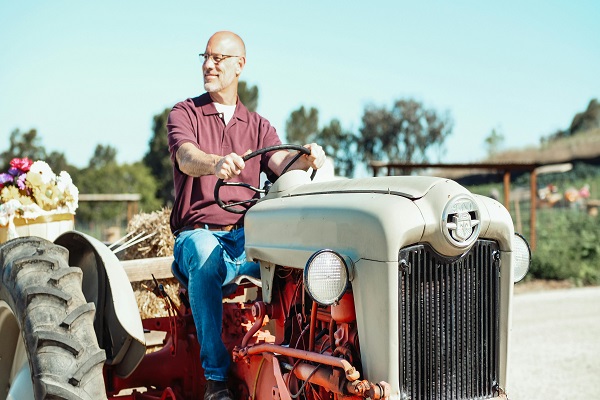
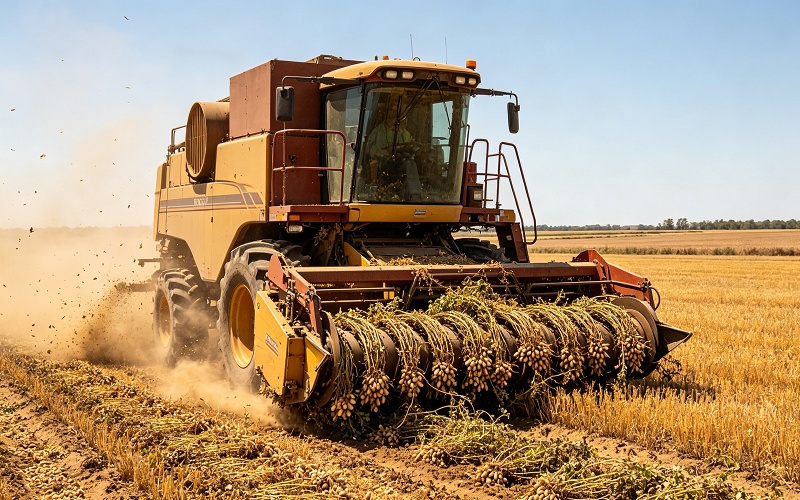
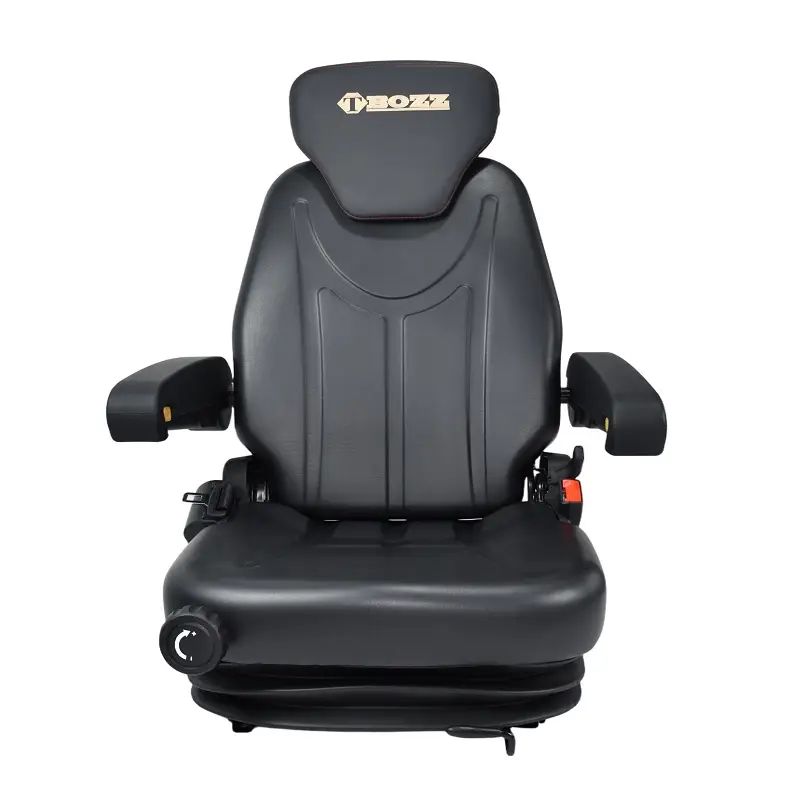
When operators spend long hours in tractors, loaders, or forklifts, seat durability becomes part of daily productivity. A damaged cushion, loose suspension, or cracked frame can affect driving comfort and increase maintenance work. At Source One, we focus on practical manufacturing details that influence how an agricultural tractor seat performs in demanding environments. From steel frame production to surface material selection, we pay attention to the conditions commonly found in agriculture and industrial vehicle operation. A durable agriculture seat is not only about appearance. It also relates to vibration control, material stability, and long-term structural support during repeated use.
Material Selection and Structural Stability
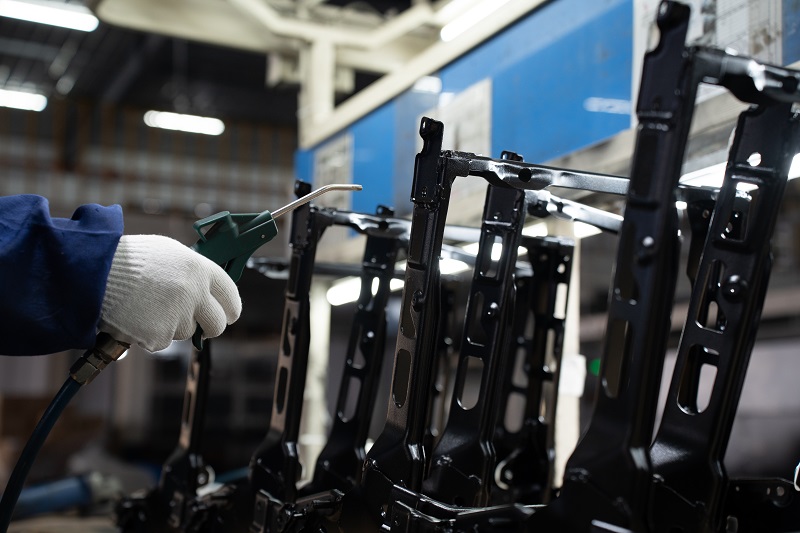
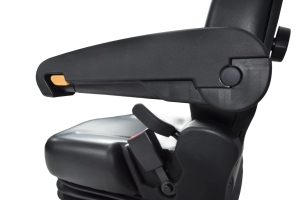
One important factor behind seat durability is the frame structure. Heavy equipment often operates on uneven roads, muddy fields, or construction areas where constant vibration is unavoidable. For this reason, Source One designs seat frames with reinforced metal components and standardized mold management during production. Our company manufactures stamping molds and foaming molds internally, which helps maintain stable dimensions during batch production. In addition, PVC surface materials used on many models can reduce cleaning difficulty after outdoor operation. A well-designed agricultural tractor seat should also maintain shape stability after seasonal temperature changes and repeated driver movement. Armrests, sliding rails, and lumbar support systems all need secure installation points to reduce wear over time.
Suspension Design and Daily Operation Conditions
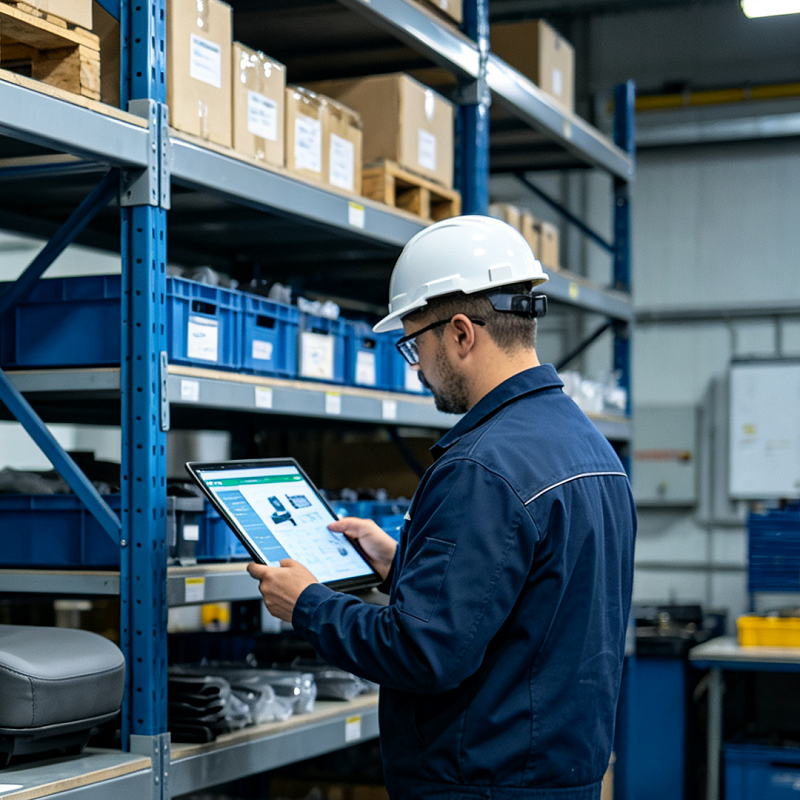
A reliable agriculture seat should support routine maintenance needs as well. Replaceable components and standardized installation structures can help repair engineers and fleet operators reduce downtime during equipment servicing. These details matter for vehicle rental companies and aftermarket distributors managing multiple machines across different projects.
Production Consistency and Export Requirements
Durability is also connected to manufacturing consistency. A seat may look acceptable during initial installation, but long-term performance depends on welding accuracy, foam density control, and coating treatment. With many years of export experience in non-passenger vehicle seating, Source One manages production processes through in-house electroplating and electrophoresis workshops. These processes help improve corrosion resistance for metal parts exposed to outdoor environments. For overseas buyers, especially equipment manufacturers and seat distributors, stable product specifications simplify procurement and replacement planning. An agricultural tractor seat used in farming equipment must often withstand dust, moisture, sunlight, and frequent operator entry. Under these conditions, production control directly affects durability results.
Practical Features for Long-Term Equipment Use
Field equipment operators usually expect seating systems to balance comfort, maintenance convenience, and structural reliability. That is why many buyers evaluate frame materials, cushion resilience, and adjustment mechanisms before selecting an agriculture seat for tractors or utility vehicles. At Source One, we continue improving mold standardization and internal manufacturing coordination to support stable product quality for OEM and ODM projects. Rather than focusing only on appearance, we pay attention to how seats perform during real operating conditions such as farming work, cargo handling, and industrial transportation. Durable seating depends on practical engineering details that support long-term daily use.