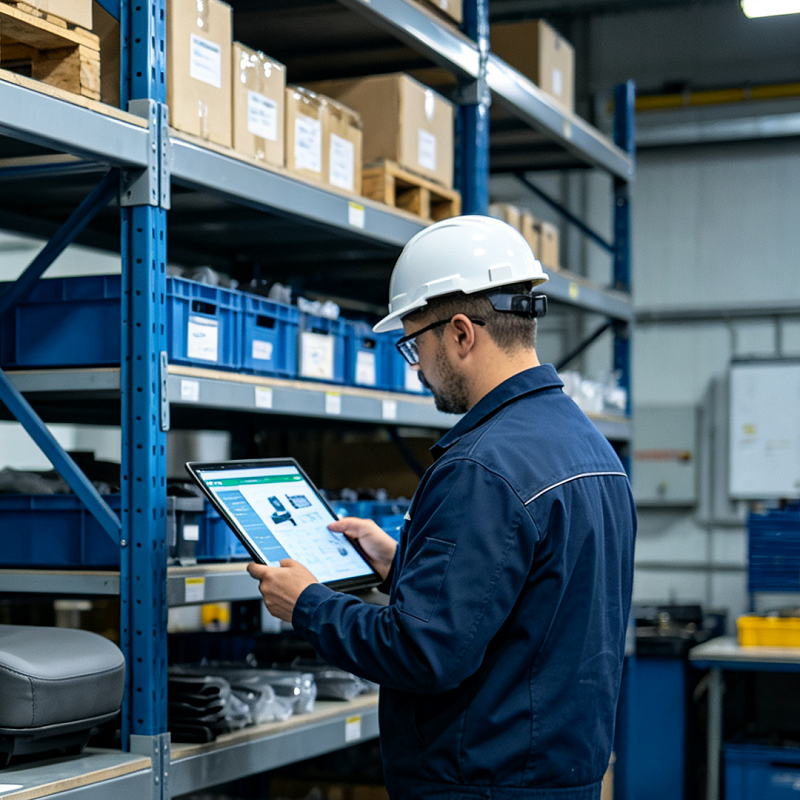
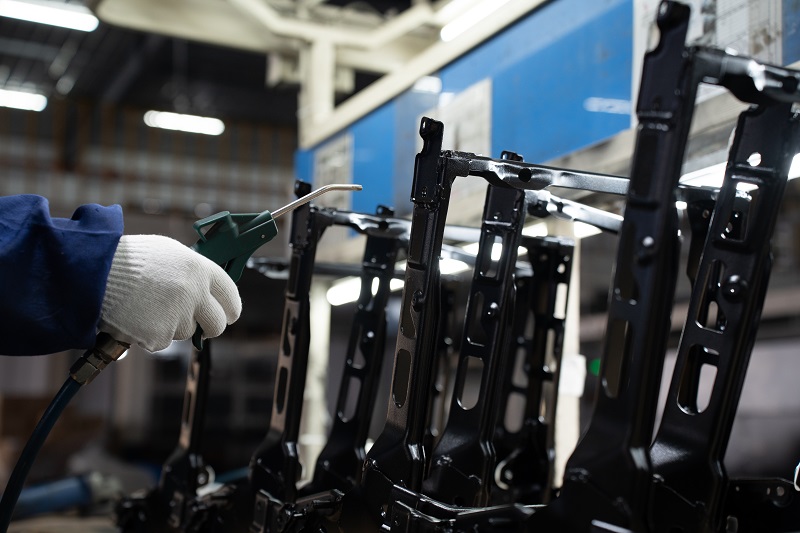
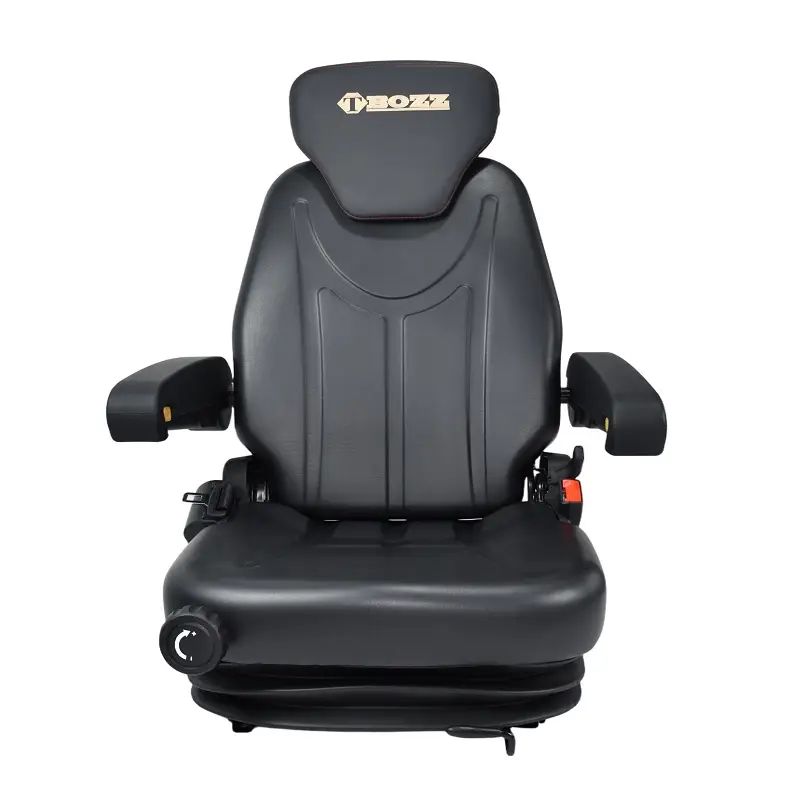
Modern construction cabins are increasingly connected with digital monitoring systems. In our work at Source One, we focus on how seating structures interact with sensors, control modules, and operator feedback loops. An equipment seat today is no longer only a mechanical support; it can serve as a mounting base for weight detection, posture sensing, and vibration tracking. At the same time, machinery seats are designed to accommodate wiring channels and integration points without affecting comfort or durability. We observe that integration needs vary across vehicle types such as loaders, excavators, and forklifts, so our development process remains flexible and application oriented. This approach supports operational conditions in field environments consistently.

Sensor-Ready Seat Architecture
We at Source One design seating platforms that anticipate electronic integration from early development stages. Within this framework, an equipment seat is prepared with embedded channels for wiring harnesses and modular sensor placement. These elements allow compatibility with telematics systems used in construction machinery. In parallel, machinery seats are engineered with reinforced base structures that support load sensors and stability monitoring devices. The goal is to maintain structural integrity while enabling data transmission between the operator environment and the machine control unit. This design approach helps operators receive more consistent feedback from their working environment without altering seating ergonomics or durability expectations. It also supports maintenance planning by enabling early detection of mechanical stress and operational anomalies in service environments.
Connected Cabin Data Flow
We continue development at Source One by focusing on how seating systems communicate with onboard electronics in real time. A modern equipment seat can act as a data node, collecting pressure distribution and transmitting signals to central controllers for analysis. This improves visibility of operator behavior during long duty cycles. Similarly, machinery seats integrate vibration sensors that help evaluate terrain impact and machine performance over time. These data streams are often combined with vehicle telematics to support maintenance scheduling and operator comfort adjustments. We also collaborate with equipment manufacturers to ensure installation consistency across different machine platforms and working environments. We apply edge validation processes to ensure signal accuracy under dynamic site conditions.
Field Integration Perspective
We view smart seating integration as part of a broader shift in construction equipment design. At Source One, we align mechanical development with electronic system compatibility to support long-term field use. The seating platform must work alongside machine controllers without introducing additional complexity for operators or maintenance teams. This requires coordination between structural engineering, electronics integration, and real-world usage testing. Feedback from equipment operators in different regions helps refine installation methods and sensor placement strategies. As machines evolve toward more connected ecosystems, seating systems will continue to play a supportive role in data collection and operator interaction. Our focus remains on delivering stable structures that can adapt to varying machine requirements while maintaining service accessibility and reliability across production cycles in practical field deployment scenarios.