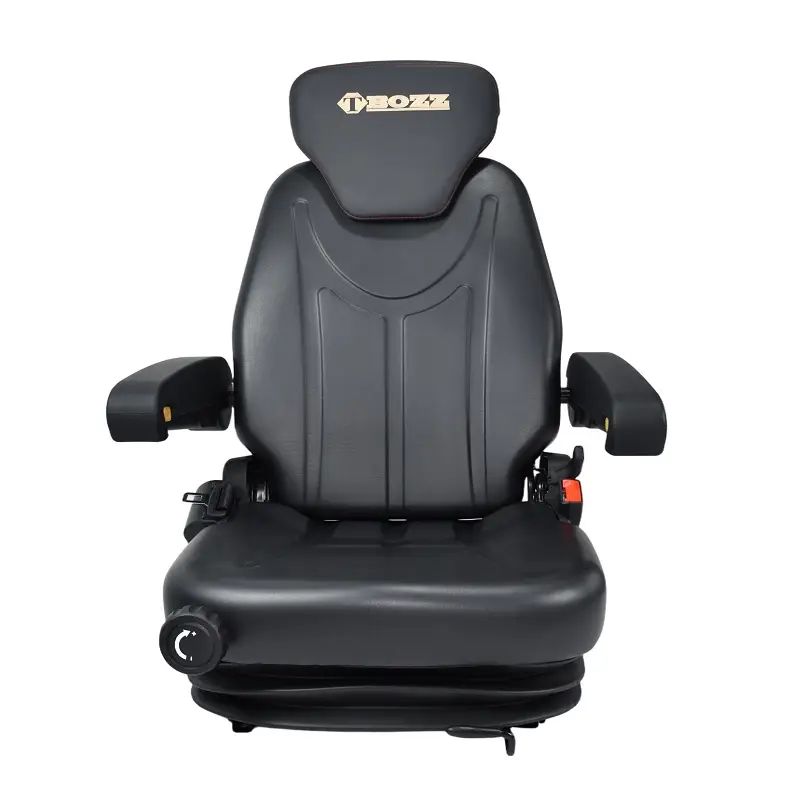
We at Source One have been focusing on operator comfort in heavy-duty vehicles for many years. In real working environments, temperature control inside the cabin directly affects productivity and fatigue. A modern construction machinery seat is not only about cushioning but also about thermal balance during long shifts. Many users also evaluate solutions provided by equipment seat manufacturers when selecting cabin components for tractors, excavators, and forklifts. Heating and ventilation functions are increasingly considered essential in this field. These systems shape cabin comfort and long-term operator well-being in demanding conditions.
Cabin Temperature and Operator Efficiency
Inside long-hour field operations, temperature stability becomes a practical requirement rather than a comfort upgrade. We at Source One design seating systems that respond to this need through integrated heating and airflow paths. A construction machinery seat in cold or humid environments helps maintain consistent body temperature and reduces stiffness during early shifts. At the same time, equipment seat manufacturers often explore similar functions to meet the expectations of global buyers in different climates. By combining insulation with controlled ventilation, our systems maintain stable cabin temperatures. This design adds no unnecessary complexity. This approach improves daily usability.
Ventilation Design in Practice
Effective cabin ventilation works together with heating systems to balance airflow during seasonal changes. At Source One, we integrate these functions into seat structures to reduce heat buildup and moisture retention during long duty cycles. A construction machinery seat equipped with controlled airflow channels can help operators stay focused during repetitive tasks in mining and construction zones. Similarly equipment seat manufacturers continue to refine designs that respond to stricter comfort expectations in industrial fleets. Our approach emphasizes durability ensuring that airflow components remain stable under vibration dust exposure and extended usage conditions in real field operations. Consistent performance is required.
Material Choices and Cabin Experience
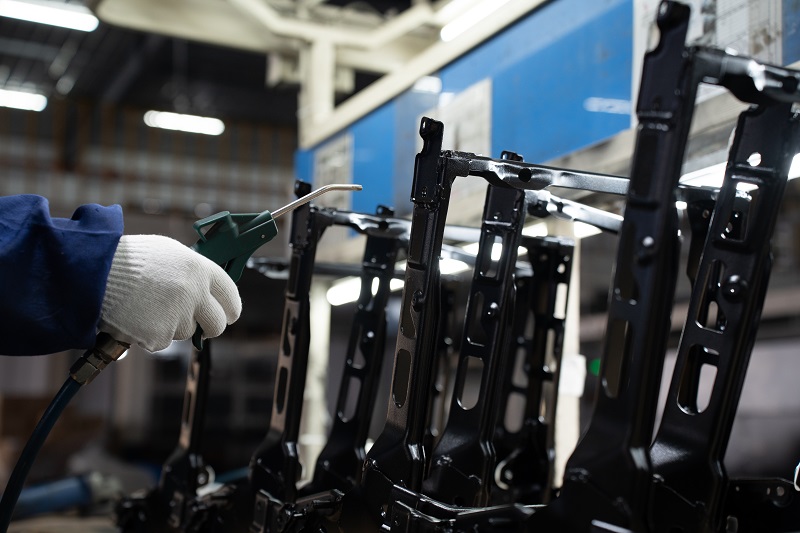
Material selection plays a key role in shaping operator experience across different machinery types. Our engineering team at Source One focuses on high-density foam and structural reinforcement to support long working hours in demanding environments. Integrated suspension interfaces reduce vibration transfer from uneven ground conditions improving stability inside the cabin during operation. These design considerations are increasingly important for fleets operating in agriculture logistics and construction sectors. We also apply standardized mold processes to maintain consistent production quality across different product lines. This ensures reliable operator comfort and supports efficient maintenance throughout the product lifecycle in real applications every day.
Why Thermal Seating Matters in Field Operations
Heating and airflow integration has become a practical response to changing working conditions in heavy equipment cabins. We at Source One apply this understanding when developing seating systems for industrial applications across multiple vehicle categories. Field feedback from operators guides adjustments in airflow routing material layering and heating distribution. These improvements aim to support consistent cabin environments without adding unnecessary system complexity. Reliable seating performance is essential for long working cycles in construction and logistics operations. It also supports operator safety and reduces fatigue over time in demanding conditions consistently.