Modern farming equipment works in demanding environments. Dust, moisture, fertilizer residue, and repeated cleaning all affect seat durability over time. At Source One, we have spent many years producing seating systems for tractors, forklifts, and construction vehicles used in outdoor conditions. Customers often focus on comfort when choosing an agriculture seat. However, corrosion resistance is equally important. Fertilizer particles can gradually damage metal parts, surfaces, and adjustment components.
Materials Used in Harsh Farming Conditions
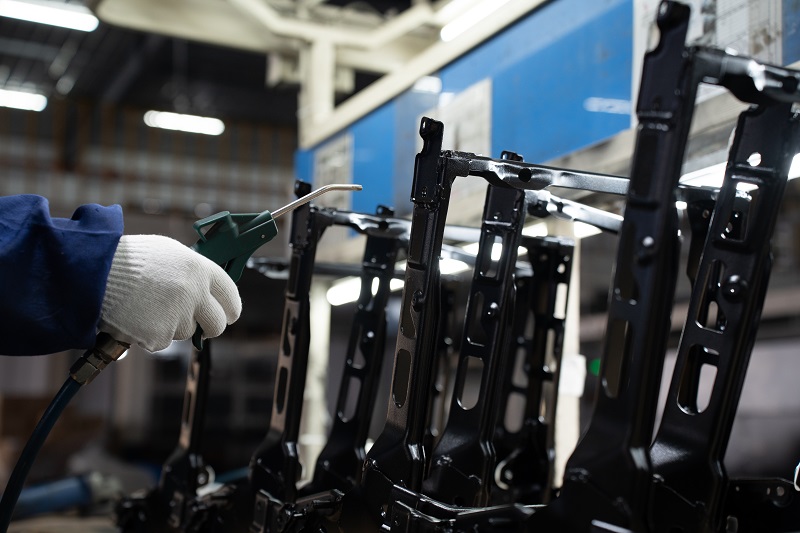
Fertilizer contains chemical compounds that can accelerate rust on untreated metal. For this reason, many manufacturers use coated steel structures and protective surface treatments inside an agricultural machinery seat. At Source One, we design and manufacture our own stamping molds and foam molds, which helps us control dimensional consistency during production. Our internal electroplating and electrophoresis workshops are also important because they improve the protective layer on seat frames and brackets.
PVC covers are commonly used in farming equipment because they are easier to clean after field operations. Residue from fertilizer bags, muddy boots, and wet clothing can remain on the seat surface for long periods. A sealed cover reduces moisture penetration into the foam structure. Some tractor operators also prefer armrests and adjustable lumbar support because long working hours in uneven terrain create constant pressure on the lower back.
Structural Design and Maintenance Practices
A durable agriculture seat is not based on one material alone. The connection points, sliding rails, and mounting plates also influence how well the seat resists corrosion. In many tractors, fertilizer dust settles around the seat base where vibration is strongest. If water enters these areas, oxidation can develop faster during storage seasons.
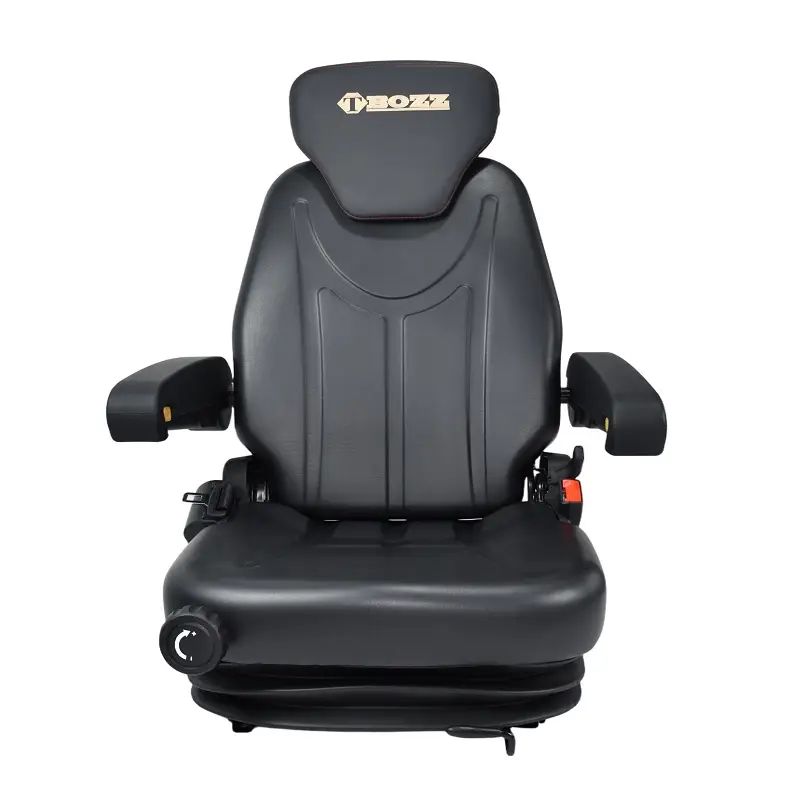
To reduce maintenance difficulty, we standardize mold management and frame production in our factory. This approach helps replacement parts maintain stable compatibility during long-term use. One example is our universal replacement tractor seat with adjustable lumbar support, armrests, PVC cover, and iron plate frame. The structure is designed for utility tractors and similar equipment where operators frequently enter and leave the cab during loading or field inspection work.
Routine cleaning is also part of corrosion prevention. Operators often remove fertilizer residue with low-pressure water and dry cloths after spraying or loading tasks. Keeping drainage areas clear can reduce moisture accumulation around the mounting structure of an agricultural machinery seat during seasonal storage.
Practical Considerations for Equipment Buyers
Procurement teams and maintenance engineers usually evaluate durability together with replacement efficiency. In export markets, many vehicle manufacturers and seat distributors look for products that balance comfort, structural protection, and service life under changing outdoor conditions. At Source One, we focus on manufacturing processes that support this balance through controlled mold production, internal surface treatment capability, and experience in non-passenger vehicle seating systems.
For fleet owners and repair workshops, corrosion resistance is not only about appearance. It directly affects maintenance intervals, seat stability, and long-term operating cost. A properly designed agriculture seat can remain functional after repeated exposure to fertilizer handling, muddy environments, and outdoor cleaning routines common in agricultural work