Field vehicles often work in rain, mud, and humid storage conditions. Because of this, seat materials face constant exposure to moisture and dirt. A damaged seat surface can affect driver comfort and increase maintenance work during busy farming periods. At Source One, we design seating systems for tractors, forklifts, excavators, and other non-passenger vehicles used in demanding outdoor environments. A durable agricultural tractor seat should support daily operation while reducing issues caused by water penetration, mold buildup, and surface cracking. For equipment owners and purchasing teams, these details directly influence replacement cycles and long-term operating costs.
Moisture Exposure Creates Daily Maintenance Problems
Farm vehicles are rarely stored in fully enclosed environments. During planting, harvesting, or transport work, operators frequently move between wet fields and dusty roads. When water enters seat foam or stitching areas, trapped moisture can remain inside for long periods. Over time, this creates odor, mold growth, and surface damage. A poorly sealed agriculture seat may also become difficult to clean after exposure to fertilizer residue or muddy work clothes.
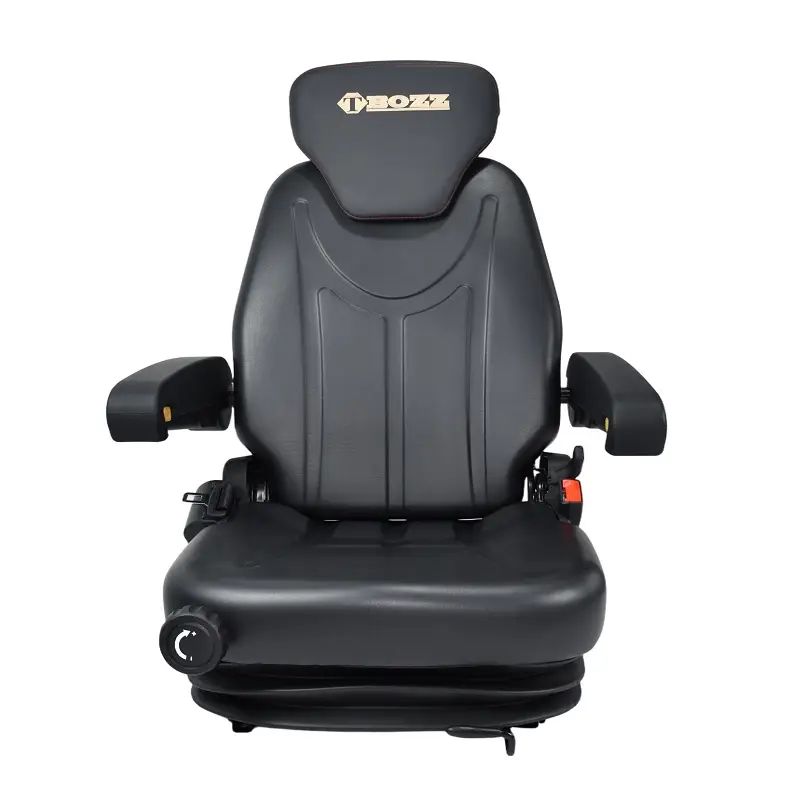
We use PVC covering materials in several seating models because they simplify routine cleaning and reduce water absorption during outdoor use. Our universal replacement tractor seat features adjustable lumbar support, armrests, and an iron plate frame. This structure is designed for work vehicles operating in changing weather. The seat frame and covering materials are selected to support repeated use while helping maintenance teams manage cleaning tasks more efficiently.
Mold Resistance Supports Longer Equipment Use
Humidity inside cabins can increase quickly after rainfall or temperature changes. If seat materials absorb moisture repeatedly, mold can develop inside the cushion structure and affect cabin conditions. This issue is especially important for rental fleets, seasonal equipment operators, and repair workshops that store machines for extended periods between projects.
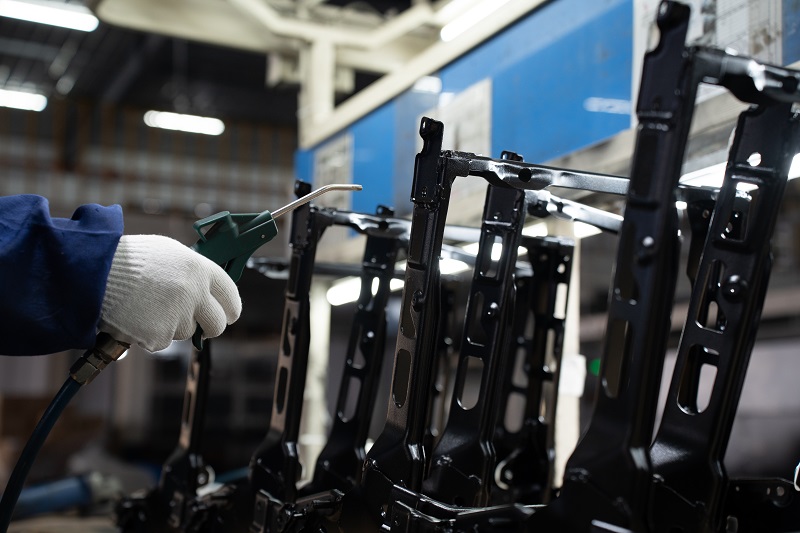
At Source One, we pay close attention to material consistency during production. Our company manages mold development internally, including stamping molds and foam molds used for seat manufacturing. Standardized mold management helps us maintain stable dimensions and replacement compatibility across production batches. For buyers searching for an agricultural tractor seat, consistent manufacturing can simplify installation planning and reduce downtime during maintenance schedules.
Material Choices Influence Driver Experience
Seat performance is not only related to durability. Operators often spend long hours inside tractors, loaders, and utility vehicles. Wet or mold-damaged cushions can reduce comfort and make cleaning more difficult after outdoor work. A properly designed agriculture seat should balance structural support, surface protection, and practical maintenance requirements.
Our production process includes self-operated electroplating and electrophoresis workshops, allowing us to manage several manufacturing stages internally. This approach supports quality control during frame treatment and component processing. We also work with overseas customers involved in agricultural machinery, industrial vehicles, and aftermarket seat distribution, where replacement reliability and maintenance efficiency are important purchasing considerations.
Practical Features for Outdoor Vehicle Seating
Waterproof and mold-resistant seating materials help reduce cleaning time, improve cabin conditions, and support longer service life in agricultural environments. These factors matter for equipment manufacturers, fleet owners, and repair teams that manage machines exposed to changing weather and heavy-duty operation. Through years of export experience, Source One continues developing seating products focused on durability, structured production control, and practical use requirements for non-passenger vehicles. A reliable agricultural tractor seat can help operators maintain working efficiency while reducing avoidable replacement and repair issues.