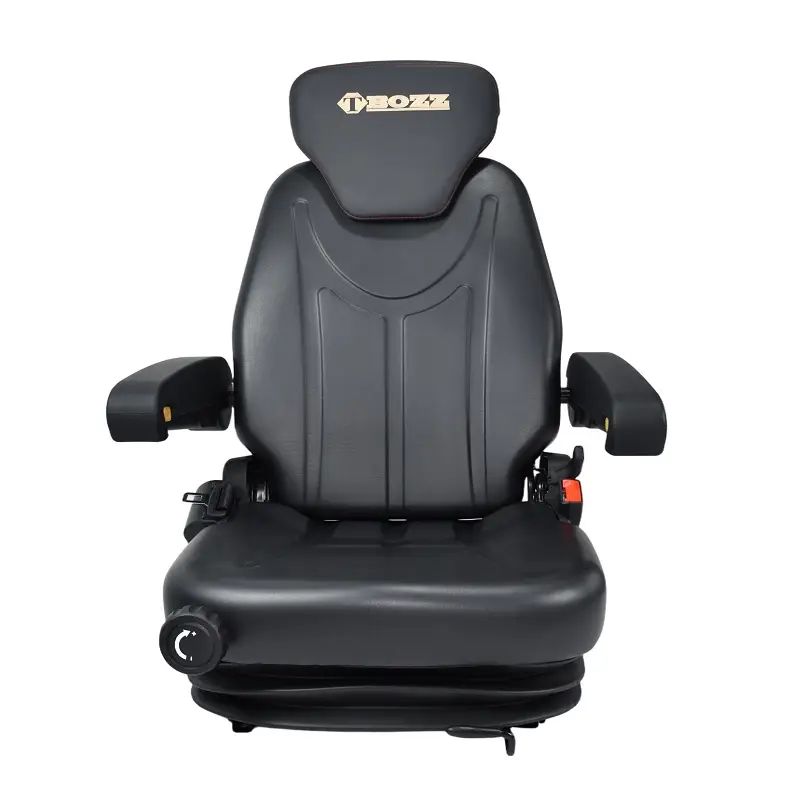
Mechanical adaptability in construction seats is essential for safety and comfort. Adjustable slide rails, lifting systems, and backrest recliners allow operators of all sizes to remain ergonomically aligned with controls. If a cabin setup remains completely static, it creates severe physical strain, accelerating muscle fatigue and increasing steering mistakes during an eight-hour shift. This is why standard cushions fail to meet the actual demands of global construction sites. Modern equipment seats resolve this direct challenge by integrating multi-directional movement paths into the heavy-duty chassis framework. Allowing custom dimensional adjustments keeps every individual driver ergonomically aligned with foot pedals and joysticks, which significantly reduces occupational injuries and maintains steady on-site operational safety.
Engineering Adjustable Track Solutions for Diverse Postures
Accommodating an expansive demographic of field personnel requires an interconnected system of mechanical slide rails and pivoting brackets. Micro-adjustments begin at the base, where horizontal travel tracks allow the operator to slide the cushion forward or backward relative to the steering equipment. Simultaneously, independent vertical lifting systems modify the absolute seat height, ensuring an optimal sightline regardless of the worker’s torso length. To alleviate lower back strain, backrest recliners and adjustable lumbar supports modify the back angle to sustain the natural curvature of the human spine. With nearly 20 years of manufacturing experience, we design cabins with high levels of adaptability. Our robust designs incorporate flexible armrest angles and intuitive control levers, allowing different operators to establish a supportive, healthy posture that prevents localized pressure spots.
Consistent Quality and Longevity via In-House Production
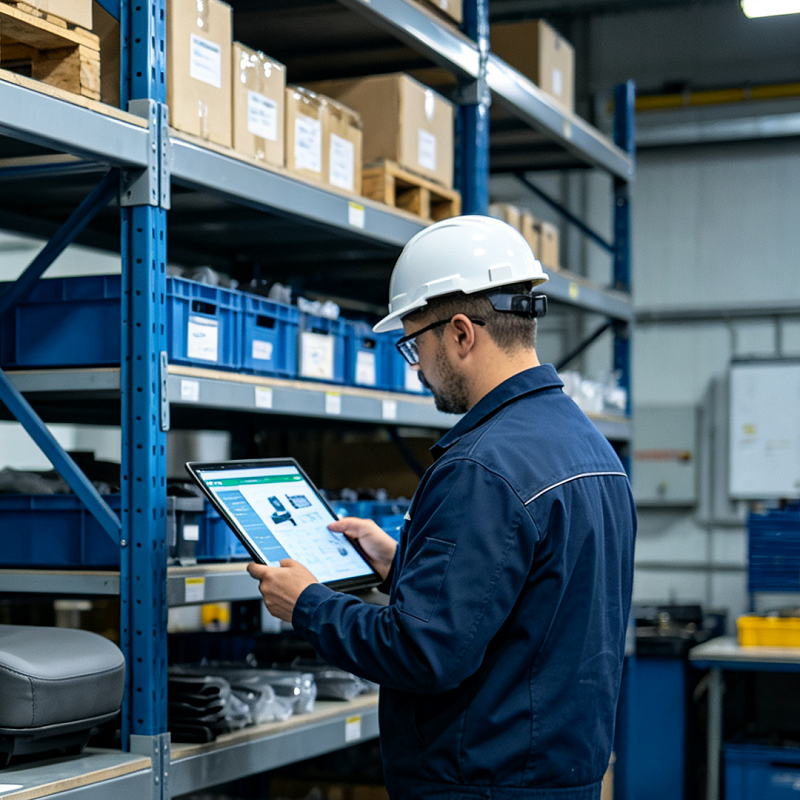
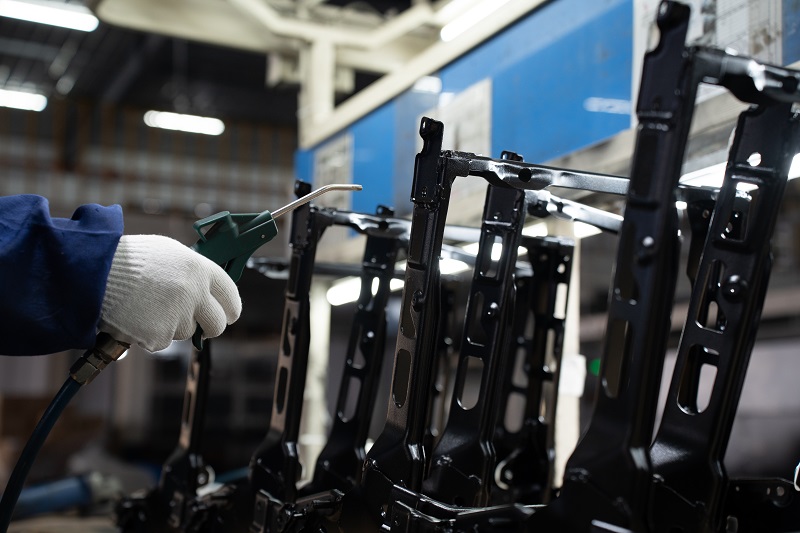
Industrial environments subject cabin hardware to extreme dust, ambient moisture, and continuous mechanical stress across multiple daily shifts. At Source One, we manage our entire manufacturing workflow internally to guarantee that every shifting rail and adjustment mechanism delivers reliable service life. Our engineering team designs and produces all metal stamping dies and specialized high-density foaming molds in-house, ensuring excellent physical dimensions and component consistency. Operating our own dedicated electroplating and electrophoresis lines allows us to apply comprehensive rust protection across all underlying structural frames. This high self-manufacturing rate optimizes long-term part replacement costs and simplifies fleet maintenance for international vehicle wholesalers. Constructing a highly flexible excavator chair means providing internal gears and suspension springs that move smoothly even under harsh field conditions.
Balancing Cabin Safety and Operational Performance
Providing a fully adjustable cabin interior delivers clear strategic advantages for original equipment manufacturers, global component distributors, and heavy machinery rental groups. Allowing operators to tailor their physical layout minimizes fatigue-related steering errors and cuts down on unexpected machinery downtime. At Source One, our high-end technical designs merge specialized foam geometries with stable mechanical suspensions to cushion operators from rough chassis movements. By emphasizing practical component design, modular wear surfaces, and resilient structural steels, we help fleet managers optimize their total maintenance investment. Selecting robust, adaptable vehicle interiors keeps your diverse workforce alert, protected, and efficient through every demanding work schedule.