In our daily experience as Source One, we often observe that reducing lifetime cost of seating systems in heavy equipment depends on practical decisions made early in selection and maintenance. A well planned agricultural machinery seat application can influence operator comfort, downtime, and replacement frequency across the equipment lifecycle. Many costs are not driven by initial purchase alone but by wear patterns, environment exposure, and maintenance discipline. We focus on helping operators understand how structural design and material selection contribute to long term value without relying on complex assumptions.
Maintenance Practices for Service Life Control
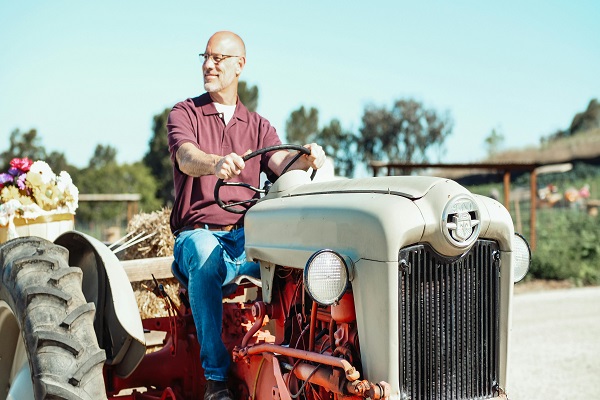
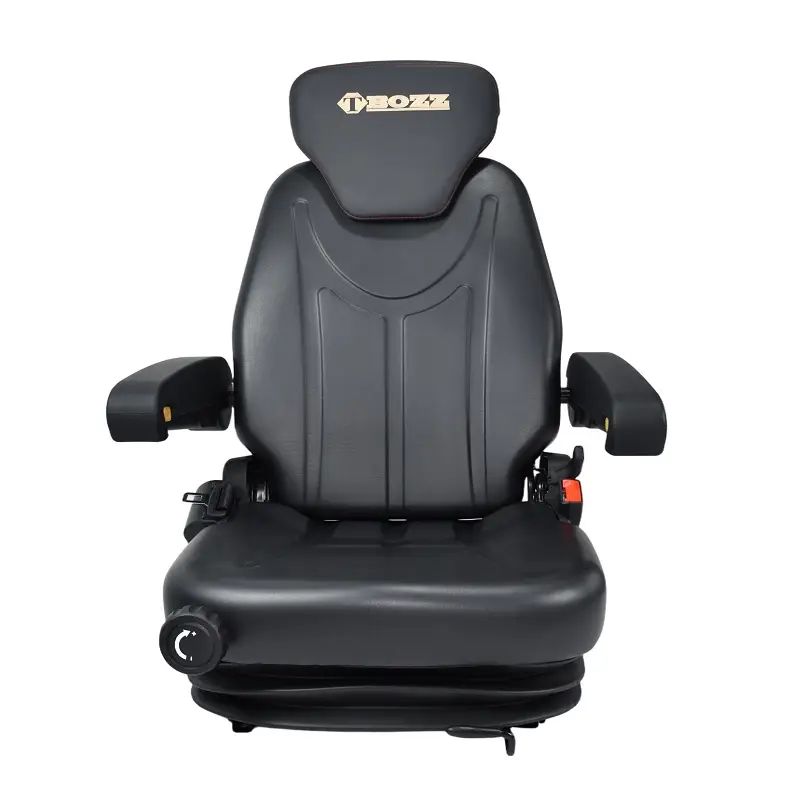
As part of our engineering review at Source One, we emphasize routine inspection as a key factor in extending seat service life. Dust, vibration, and moisture are common contributors to premature wear in off road environments. Using replacement tractor seats at the right maintenance interval can reduce unexpected downtime and help maintain consistent operator posture. Based on field feedback, we offer a universal replacement seat. It features adjustable lumbar support, armrests, a PVC cover, and an iron plate frame. This type of structure allows operators to maintain functional stability without frequent full system changes. Maintenance scheduling, cleaning practices, and periodic component checks together form a practical approach to controlling total ownership cost over time.
Design and Procurement Considerations
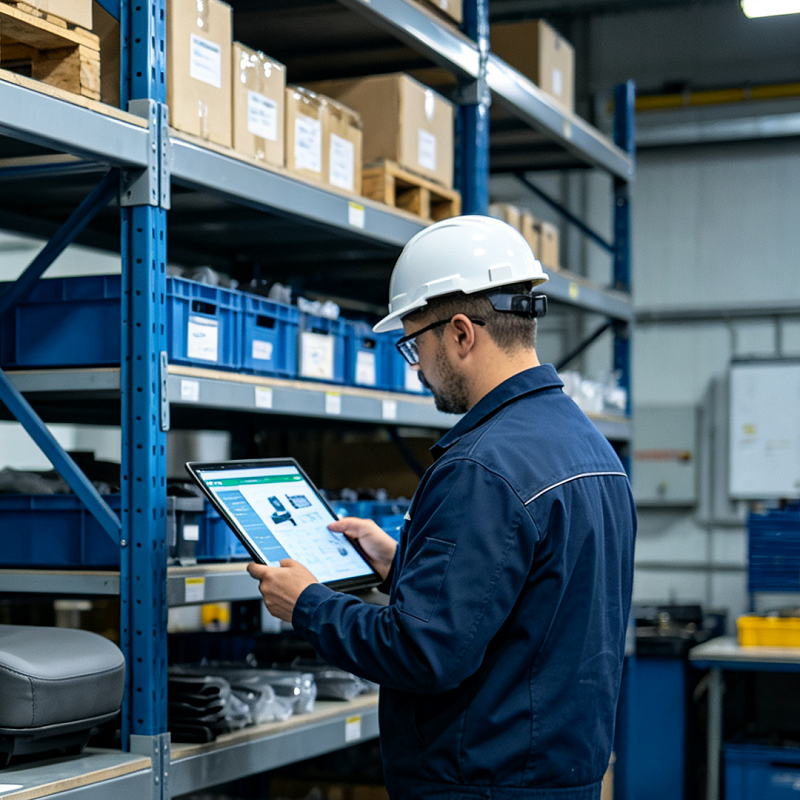
When selecting components for fleet operations, we at Source One evaluate how design choices influence long term replacement cycles and repair effort. Standardized frame structures and modular parts can simplify servicing procedures across different vehicle types. An agricultural machinery seat designed with interchangeable components can help reduce downtime during maintenance planning and support more predictable cost management. Procurement teams often consider compatibility with existing cabin layouts, material durability, and ease of installation rather than focusing only on upfront pricing. These factors contribute to a more balanced view of lifecycle expenditure in industrial equipment environments.
Field Use Cost Perspective and Operational Stability
In field applications, long term cost control is closely related to how equipment is used under real working conditions. Operators often experience varying terrain, load conditions, and environmental exposure that directly affect seating performance and maintenance needs. An agricultural machinery seat that is properly matched to operational demands can help reduce strain on key components and limit unnecessary repair events over time. Selecting replacement tractor seats based on usage intensity rather than reactive failure can support more consistent fleet availability. In our engineering observations, small adjustments in usage habits, cleaning routines, and inspection frequency often create measurable differences in service life. We continue to evaluate practical feedback from operators to refine component structures and support more stable operation cycles without adding unnecessary complexity to maintenance processes.We observe that continuous review of maintenance data and operator feedback helps refine component durability strategies across diverse equipment environments. These insights support gradual improvements in design decisions and service planning without introducing unnecessary complexity into daily operational workflows for fleets operating in agriculture and construction sectors over extended time.