In heavy-duty machine operation, back discomfort is a common issue caused by long sitting hours and constant vibration exposure. At Source One, we design seating systems with a focus on ergonomic support and practical durability for demanding working environments. An excavator seat plays a key role in absorbing shock and maintaining posture stability during operation. A construction equipment seat is not only a basic component but part of a larger system that supports operator health and daily productivity. We continuously refine our designs based on feedback from fleet users and maintenance teams in different regions.
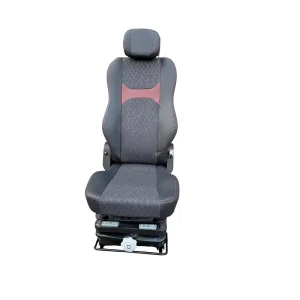
Ergonomic Shock Absorption in Operator Seating
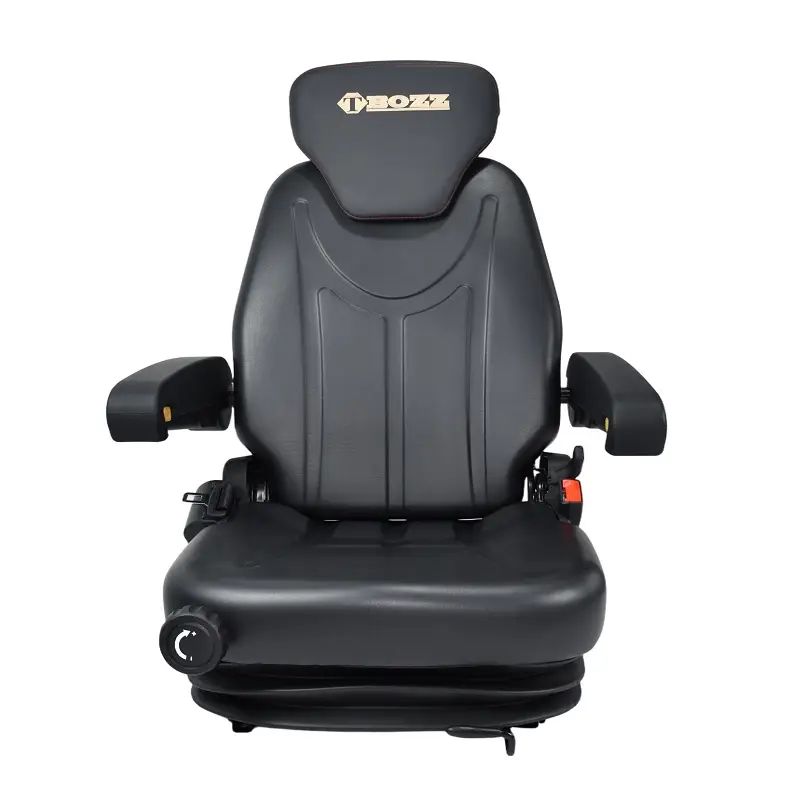
Reducing spinal pressure during machine operation depends on seat structure, suspension design, and consistent cushioning performance. In our engineering process at Source One, we test different configurations to improve operator comfort during extended shifts. The excavator seat integrates adjustable suspension and lumbar support to reduce continuous vibration impact on the lower back. A construction equipment seat is often evaluated by maintenance engineers who monitor wear, damping response, and long-term reliability. We also consider installation compatibility across multiple heavy machinery platforms to ensure practical deployment.
Design Factors That Influence Back Health
Back injury risk in heavy machinery operation is often related to posture alignment and exposure duration. We focus on seat geometry, vibration isolation, and material selection when developing our operator solutions at Source One. Adjustable seating angles allow operators to maintain a more neutral spine position during long operational cycles. We also integrate feedback from maintenance teams to refine durability requirements for different field conditions. Operator fatigue can be reduced when seating systems distribute weight evenly and reduce localized pressure points. We evaluate long-term performance through repeated field testing. Operator feedback directly guides our improvements in cushioning and support systems. We prioritize practical usability in every design decision to ensure stable operation across job sites. Our approach balances durability, comfort, and serviceability for industrial seating systems used in heavy equipment applications.
Reducing Injury Risk Through Practical Seating Solutions
In daily operations, proper seating plays a direct role in reducing cumulative stress on the lumbar region. We design the excavator seat with suspension tuning that responds to uneven terrain and prolonged vibration exposure. A construction equipment seat must maintain stability while allowing controlled movement to support operator posture correction. At Source One, we apply structured testing to evaluate seating performance under real working conditions. Feedback from operators is used to adjust cushioning density and improve long-hour comfort levels. We also consider maintenance accessibility to reduce downtime during servicing cycles. Design refinements are made iteratively based on field usage data and operator feedback. These improvements help reduce fatigue and support safer long-duration machine operation. We maintain consistent design standards across product lines to ensure predictable performance outcomes. Our focus remains on practical operator protection and steady product improvement over time process refinement.