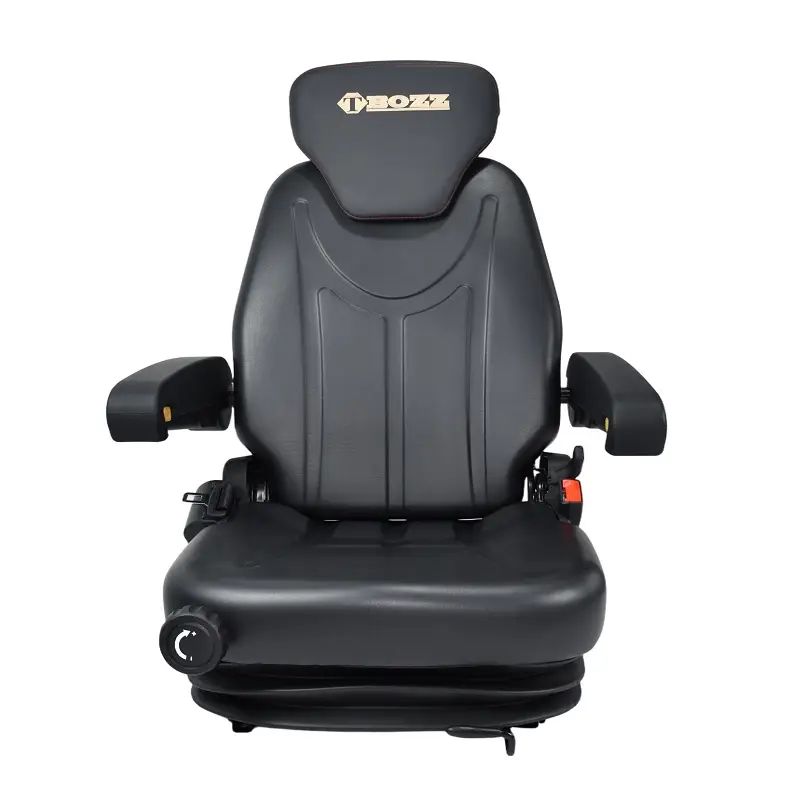
Heavy-duty seats used in construction machinery and industrial vehicles are not simple seating components—they are engineered vibration control systems designed to protect operators from continuous mechanical stress. In environments such as excavation sites, crane operations, and mining fields, vibration exposure is constant, making suspension systems a critical part of seat design. Manufacturers like Source One focus on delivering OEM and ODM seating solutions that integrate advanced suspension technologies to improve comfort, safety, and long-term durability.
As a global manufacturing supplier, Source One develops industrial seating systems that are widely used in heavy machinery applications where operator fatigue reduction and vibration isolation are essential for productivity.
Introduction to Suspension Systems in Heavy–Duty Seats
Suspension systems in heavy-duty seats function as a vibration isolation layer between the machine chassis and the operator’s body. Their purpose is to absorb shocks generated by uneven terrain, hydraulic movements, and engine vibrations. Without proper suspension systems, operators would be exposed to continuous whole-body vibration, which can lead to fatigue, discomfort, and long-term musculoskeletal issues.
There are three primary types of suspension systems commonly used in industrial seating: mechanical suspension systems, pneumatic suspension systems, and hybrid (or semi-active) suspension systems. Each type is designed to meet different operational requirements depending on machine type, workload intensity, and environmental conditions. Within this engineering framework, Source One applies modular seat design principles and standardized production systems to ensure that each suspension configuration meets strict industrial performance requirements.
Mechanical Suspension Systems: The Traditional Engineering Solution
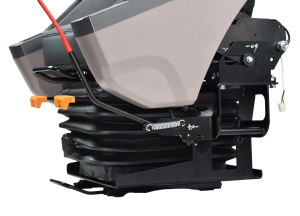
Mechanical suspension systems are the most widely used and traditional type of seat suspension in heavy-duty applications. These systems typically consist of coil springs, damping structures, and mechanical linkages that absorb and distribute vibration energy. The main advantage of mechanical suspension systems is their structural simplicity. They do not rely on air compressors or electronic components, making them highly reliable in harsh environments such as construction sites, mining operations, and agricultural fields.
Mechanical systems are also cost-effective and easy to maintain. Their durability allows them to perform consistently under extreme temperature, dust, and humidity conditions. However, they have limited adaptability because their damping characteristics are fixed and cannot automatically adjust to different operator weights or terrain changes.
In many industrial applications, mechanical suspension serves as the baseline configuration for heavy-duty seats. For example, excavator seat replacement solutions often rely on reinforced mechanical suspension structures to ensure stability and long-term durability in high-impact working environments.
Pneumatic Suspension Systems: Adaptive Comfort Technology
Pneumatic suspension systems use compressed air as the primary damping medium. By adjusting air pressure within the seat system, these suspensions automatically adapt to operator weight and working conditions, providing a more personalized and stable seating experience. One of the key advantages of pneumatic systems is their superior ability to reduce low-frequency vibration. These vibrations are commonly generated during continuous machine operation such as lifting, digging, and material handling. By isolating these frequencies more effectively, pneumatic systems significantly reduce operator fatigue.
However, pneumatic suspension systems require air supply and regular maintenance. Issues such as air leakage or pressure imbalance can affect performance if not properly managed. Despite these challenges, they are widely used in premium industrial seating applications due to their ergonomic benefits. In crane operations, operator comfort and precision are essential due to long working hours at elevated positions. This is why modern crane operator seat designs often integrate pneumatic suspension systems to enhance stability and reduce fatigue during extended operation cycles.
Hybrid Suspension Systems: Combining Mechanical and Pneumatic Advantages
Hybrid suspension systems combine mechanical structures with pneumatic or semi-active damping technologies to achieve a more balanced performance profile. These systems are designed to handle a wider range of vibration frequencies and operating conditions.
In a typical hybrid configuration, mechanical springs provide structural support while pneumatic components handle adaptive damping. Some advanced systems also incorporate semi-active dampers that adjust resistance based on vibration intensity in real time. This combination allows hybrid systems to perform effectively in complex environments where machine conditions change frequently. For example, construction machinery may experience both high-impact shocks and continuous low-frequency vibration within a single operation cycle. From a manufacturing perspective, Source One integrates modular engineering concepts into its seat systems, enabling flexible configuration of suspension types while maintaining consistent production quality across OEM and ODM projects.
Key Engineering Considerations in Suspension Seat Design
When designing suspension systems for heavy-duty seats, several engineering parameters must be considered. These include vibration frequency range, damping coefficient, stroke length, load capacity, and structural durability. Another important factor is ergonomic performance. The suspension system must not only reduce vibration but also maintain correct posture alignment during long working hours to prevent operator fatigue and injury.
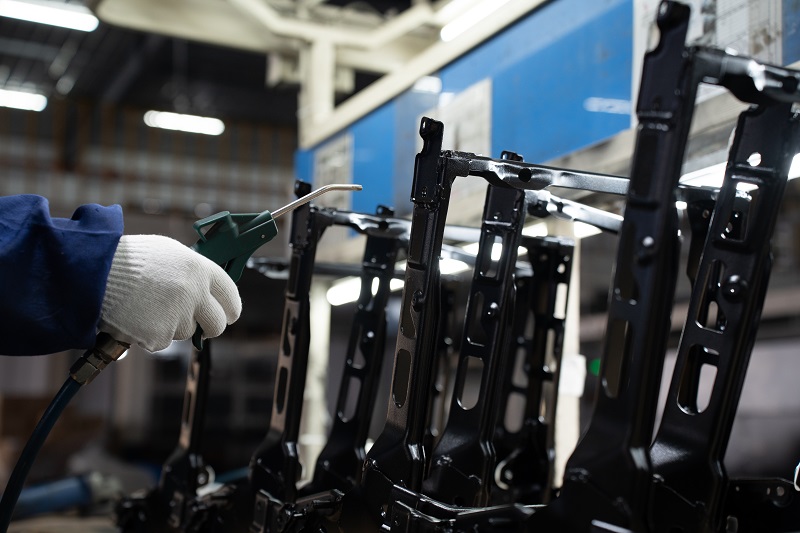
Material selection also plays a crucial role. High-strength steel frames, corrosion-resistant coatings, and high-density foam components contribute to the long-term reliability of suspension seat systems in harsh environments. As a vertically integrated manufacturer, Source One utilizes in-house processes such as stamping, electroplating, electrophoresis, and foam molding to ensure consistent quality and cost efficiency across its entire product range.
Industrial Applications Across Heavy Machinery
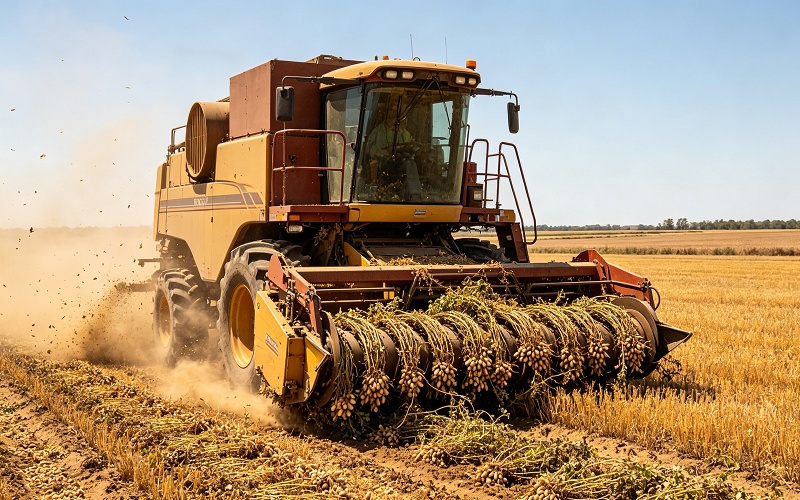
Suspension seat systems are widely used in excavators, cranes, forklifts, loaders, and agricultural machinery. Each application requires a different balance between comfort, durability, and mechanical strength depending on operational intensity. For example, excavators require strong vibration absorption due to continuous digging cycles, while cranes require high stability and precise operator control during lifting operations. These differences drive the need for specialized suspension configurations.
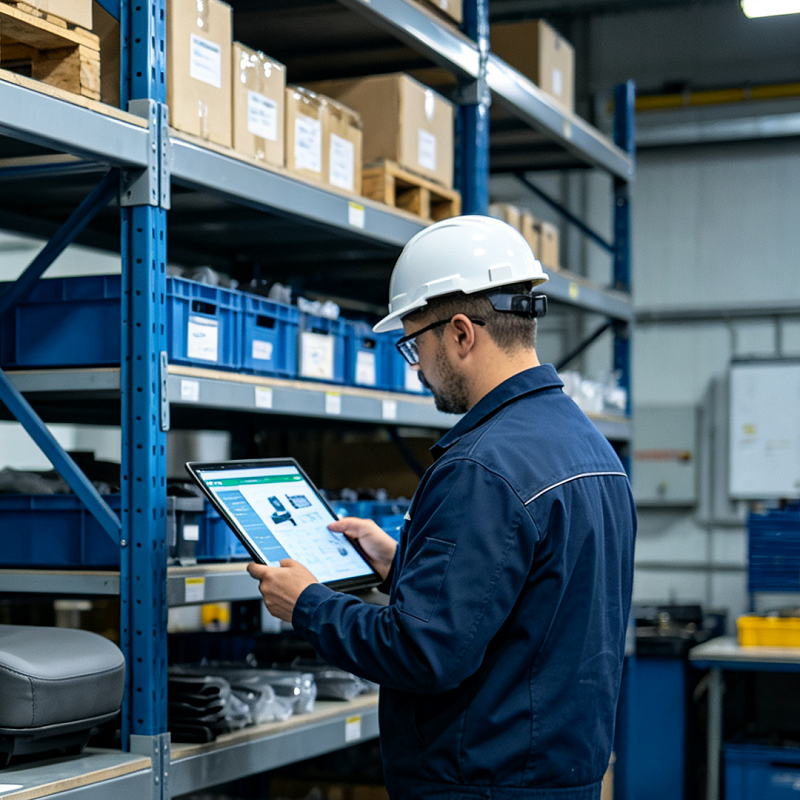
OEM and ODM manufacturers play a critical role in delivering customized seating solutions to global equipment manufacturers. Source One supports this demand through standardized mold management and high self-production capability, ensuring consistent product quality and scalable production efficiency.
Conclusion
Heavy-duty seat suspension systems are essential components that directly influence operator comfort, safety, and productivity in industrial environments. Mechanical systems offer durability and simplicity, pneumatic systems provide adaptive comfort and improved vibration isolation, and hybrid systems deliver balanced performance across complex working conditions.
Through advanced manufacturing capabilities and engineering expertise, Source One continues to develop high-performance suspension seat solutions for global industrial applications, supporting the evolving demands of modern construction and heavy machinery industries. In practical applications such as excavators, loaders, and the crane operator seat, these suspension technologies play a vital role in improving operator comfort and long-term operational efficiency.