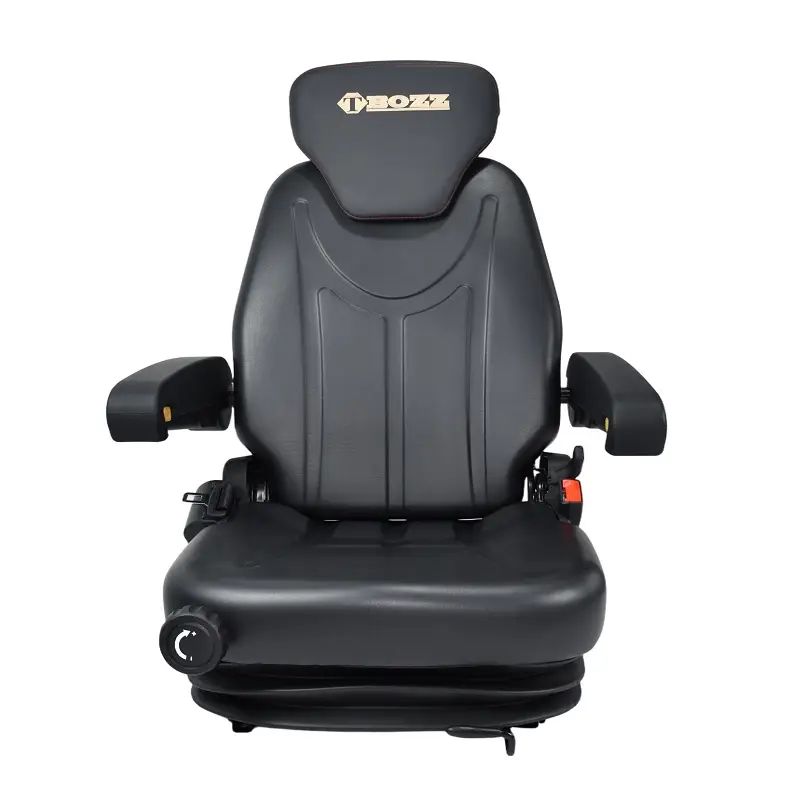
In the procurement of industrial and construction machinery components, seating systems are often underestimated despite their direct impact on operator safety, productivity, and long-term equipment performance. Many buyers focus primarily on price or basic compatibility, overlooking critical engineering, durability, and lifecycle factors that determine real-world performance. As an OEM manufacturer with extensive experience in seating systems, Source One provides insights into what truly matters when selecting seating solutions for heavy-duty applications.
Why Equipment Seat Selection Is Often Oversimplified
In many industrial procurement processes, equipment seats are treated as secondary components compared to engines, hydraulics, or control systems. This leads to oversimplified purchasing decisions based mainly on appearance or initial cost. However, seating systems are one of the most frequently used contact points between operators and machine, directly influencing fatigue levels, operational efficiency, and safety outcomes.
A common mistake buyers make is assuming that all industrial seats offer similar performance as long as they fit the machine frame. Structural engineering, suspension systems, material quality, and ergonomic design vary significantly across suppliers. These differences become highly visible only after long-term field operation, when premature wear, discomfort, or mechanical failure begins to occur.
Material Quality and Structural Engineering Are Frequently Ignored
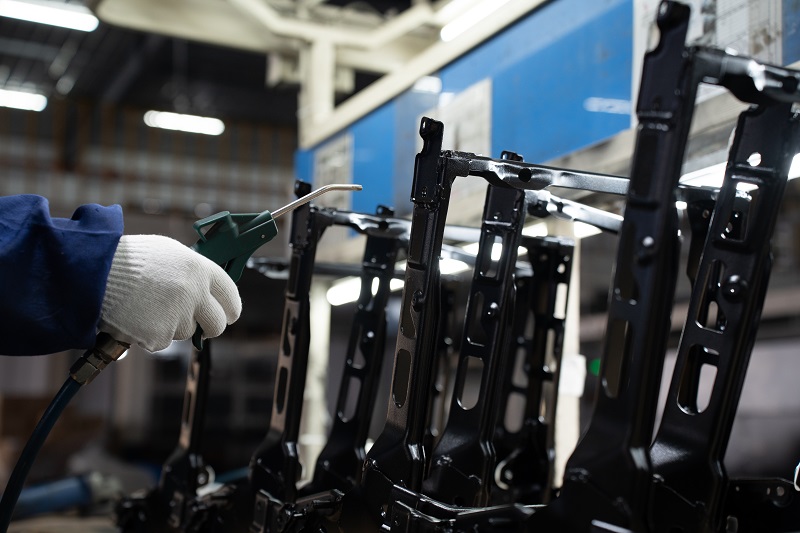
One of the most overlooked aspects in seat sourcing is material selection. Industrial seats are exposed to vibration, impact loads, temperature fluctuations, and sometimes corrosive environments. Low-grade steel or insufficient surface treatment can significantly reduce service life. High-quality seating systems require engineered steel frames with controlled thickness distribution, reinforced welding points, and protective surface coatings. Without these elements, structural fatigue can develop over time, leading to instability or failure under continuous load conditions. Another critical factor is foam density and resilience. Poor-quality cushioning materials may initially feel comfortable but degrade quickly under repeated compression, resulting in reduced ergonomic support and increased operator fatigue.
Ergonomics and Operator Fatigue Are Underestimated
Operator comfort is not just a matter of convenience—it directly affects productivity and safety. Poor seating ergonomics can lead to long-term musculoskeletal strain, reduced focus, and increased risk of operational errors. However, many buyers focus primarily on mechanical compatibility rather than ergonomic performance. Adjustable suspension systems, lumbar support design, seat angle optimization, and vibration damping are often overlooked during procurement decisions.
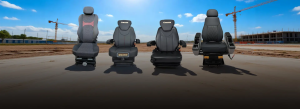
In heavy-duty industrial environments, machines may operate continuously for extended periods. Without proper ergonomic design, operators experience fatigue much faster, reducing overall efficiency and increasing downtime risks. This is why modern industrial seating solutions, especially heavy equipment seat, are engineered with advanced suspension systems and adjustable configurations to support different working conditions.
Environmental and Application Conditions Are Not Fully Considered
Another common oversight in equipment seat sourcing is the failure to fully evaluate environmental operating conditions. Industrial machinery may be used in construction sites, mining areas, agricultural fields, or warehouse logistics environments—all of which impose different stress factors on seating systems.
Exposure to dust, moisture, vibration, and temperature extremes can accelerate wear if materials and coatings are not properly selected. For example, insufficient corrosion protection can lead to rust formation in metal frames, while low-grade upholstery materials may degrade under UV exposure.
Lifecycle Cost Is More Important Than Initial Price
Many buyers prioritize upfront cost when sourcing industrial seats, but this approach often leads to higher total ownership costs. Low-cost seating systems typically require more frequent replacements, increased maintenance, and may contribute to higher operator injury risk over time.
Lifecycle cost analysis shows that investing in higher-quality seating systems significantly reduces long-term operational expenses. Durable materials, reliable suspension systems, and robust structural design all contribute to longer service life and reduced downtime.
Supply Chain Reliability and Manufacturing Capability
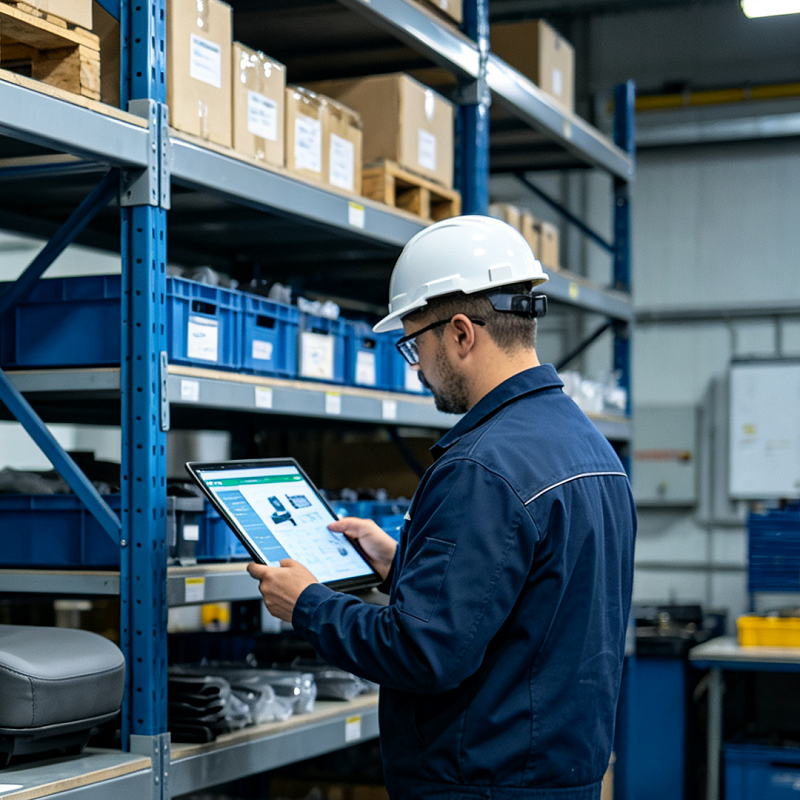
Another factor often overlooked by buyers is supplier capability and production stability. Even if a seating product meets technical specifications, inconsistent supply or quality fluctuations can disrupt manufacturing schedules and downstream assembly processes. A reliable supplier must have integrated manufacturing capabilities, quality control systems, and scalable production capacity to support long-term partnerships.
At Source One, we operate a vertically integrated production system that includes mold design, stamping, welding, foam injection, and final assembly. This allows us to maintain strict control over product quality and ensure stable delivery performance for OEM clients worldwide. By working with experienced suppliers of heavy-duty seats, buyers can significantly reduce procurement risk and improve overall equipment reliability.
Conclusion: What Buyers Should Truly Prioritize
When sourcing industrial seating systems, buyers should look beyond initial price and basic compatibility. Factors such as material quality, ergonomic design, environmental adaptability, lifecycle cost, and supplier capability all play a critical role in determining long-term performance. Overlooking these aspects can result in increased maintenance costs, reduced operator efficiency, and lower overall equipment reliability. A well-engineered seating system is not just a component—it is a key contributor to machine performance and operator well-being.
At Source One, we continue to focus on engineering-driven seating solutions that address real-world industrial challenges. By combining manufacturing expertise with application-specific design, we aim to deliver seating systems that provide long-term value for global industrial equipment markets.