In industrial vehicle engineering, ergonomics has become a core performance benchmark that influences operator safety, fatigue management, and long-term productivity in heavy equipment applications. Industry analysts widely recognize that seating systems are no longer passive components but active contributors to operational efficiency. Within this landscape, Source One is positioned as a manufacturer specializing in industrial seating systems for construction, logistics, and agricultural machinery, with a focus on integrating ergonomic engineering and structural durability.
Industry Understanding of Ergonomics in Industrial Seating Systems
From an industry perspective, ergonomics in industrial seats refers to the engineering practice of aligning seat design with human biomechanics while accommodating the operational demands of heavy machinery. This includes posture alignment, vibration control, pressure distribution, and adjustability for different operator body types and working environments.
Unlike standard seating products, industrial vehicle seats must perform under continuous vibration, long operational hours, and varying environmental conditions. As a result, ergonomics in this field is directly linked to safety performance and operational continuity rather than comfort alone. Industry reports consistently highlight that poor seating ergonomics contribute to increased fatigue, reduced concentration, and higher operational error rates, especially in construction and material handling environments.
Operator Fatigue and Safety Risk Reduction
Operator fatigue is a major risk factor in industrial environments, particularly in sectors involving continuous machinery operation. Poor posture support and inadequate vibration control can lead to musculoskeletal strain and reduced alertness over time. Ergonomic seating systems address these challenges through structured lumbar support, optimized seat geometry, and multi-layer vibration absorption. These design features help maintain natural spinal alignment and reduce long-term physical stress on operators. From a manufacturing standpoint, Source One states that we focus on integrating ergonomic principles into structural seat design to ensure that fatigue reduction is achieved without compromising durability or load-bearing capacity.
Vibration Control as a Core Ergonomic Function
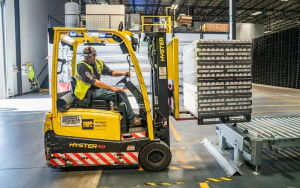
Industrial vehicles such as forklifts, excavators, and loaders generate continuous low-frequency vibration due to uneven terrain, load variation, and mechanical movement. Without proper mitigation, these vibrations are transmitted directly to the operator’s body, increasing fatigue and long-term health risks.
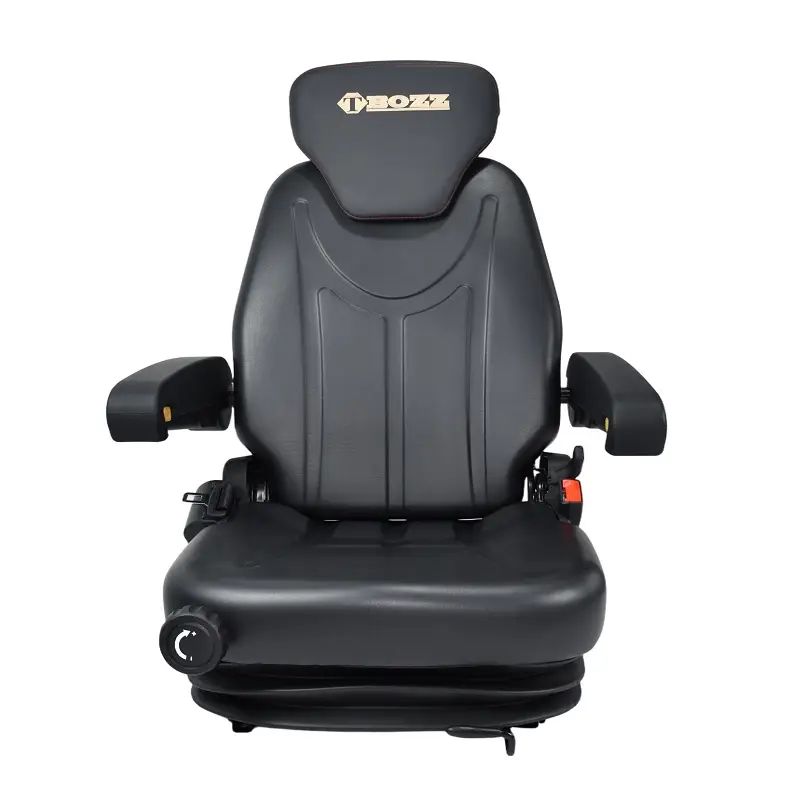
Ergonomic seat systems typically integrate suspension mechanisms, foam cushioning, and reinforced frame structures to reduce vibration transmission. These components work together to dissipate mechanical energy and minimize peak impact forces. In many industrial configurations, industrial seats are engineered as integrated systems where vibration control is balanced with structural stability and ergonomic shaping.
Structural Engineering and Material Selection
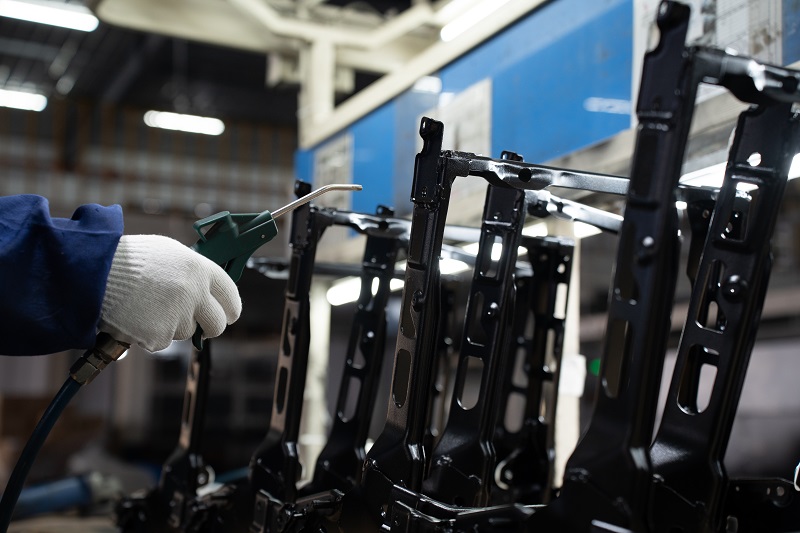
The effectiveness of ergonomic seating is strongly influenced by structural engineering and material selection. Seat frames must withstand repeated dynamic loads without deformation, while cushioning materials must maintain elasticity over long service cycles. High-strength steel frames are commonly used in industrial seating due to their durability and resistance to mechanical stress. These frames are often combined with corrosion-resistant coatings to ensure long-term performance in harsh environments.
Foam systems also play a critical role in ergonomic comfort. High-density foam provides stable support and reduces pressure concentration, while multi-layer structures enhance comfort during prolonged use. From a production perspective, Source One integrates material selection standards into its manufacturing process, ensuring consistency across different industrial applications and OEM requirements.
Adjustability and Operator-Centric Design
Adjustability is a key component of ergonomic design in industrial seating. Operators differ in height, weight, and posture preferences, making customization essential for optimal comfort and performance. Common adjustable features include seat height, backrest angle, suspension stiffness, and lumbar support. These adjustments allow operators to maintain correct posture across different machine types and working conditions. Industry analysis shows that adjustable ergonomic systems significantly reduce fatigue accumulation during long shifts, improving overall operational efficiency and consistency.
Ergonomics and Productivity Correlation
Ergonomic seating has a measurable impact on productivity in industrial environments. Operators experiencing lower fatigue levels tend to maintain higher concentration and make fewer operational errors. This results in smoother machine control, reduced downtime, and improved workflow continuity. In large-scale industrial operations, these incremental improvements translate into significant productivity gains. As part of its design philosophy, Source One emphasizes that we aim to align ergonomic performance with operational efficiency, ensuring that seating systems contribute directly to productivity improvements.
Application in Heavy Machinery Environments
In construction and heavy machinery applications, ergonomic requirements become more demanding due to higher vibration intensity and longer operational cycles. Seating systems must therefore combine structural reinforcement with advanced vibration control. For example, a system such as industrial seating used in construction equipment is designed to maintain operator stability while minimizing exposure to continuous mechanical stress. These systems integrate suspension mechanisms, ergonomic shaping, and foam layering to ensure balanced performance under extreme working conditions.
Environmental Adaptability and Long-Term Reliability
Industrial seating must maintain consistent performance across diverse environmental conditions, including temperature fluctuations, humidity, dust exposure, and mechanical wear. Ergonomic effectiveness must remain stable over the product lifecycle. Material engineering, protective coatings, and structural reinforcement all contribute to ensuring long-term reliability. Without environmental adaptability, ergonomic performance may degrade over time, reducing operational effectiveness.
Testing Standards and Quality Assurance
Industrial seating systems undergo extensive testing, including vibration simulation, load cycle endurance, and durability assessments under real-world operating conditions. These tests validate both structural integrity and ergonomic performance. Such validation ensures that seating systems perform reliably in demanding industrial environments where continuous operation is expected.
Conclusion: Ergonomics as a Core Industrial Engineering Standard
Ergonomics has evolved into a fundamental engineering requirement in industrial vehicle seating, directly influencing safety, productivity, and long-term operator well-being. It is no longer considered an optional comfort feature but a critical component of industrial system design. When integrated with structural engineering and material optimization, ergonomic seating significantly enhances operational efficiency and reduces occupational risks. Industry manufacturers continue to prioritize ergonomic development as part of broader equipment performance strategies. Within this context, Source One represents manufacturers that integrate ergonomic principles into structural seat engineering to support global industrial applications. Properly designed industrial seats therefore play a key role in maintaining both human performance and machine efficiency in demanding environments.