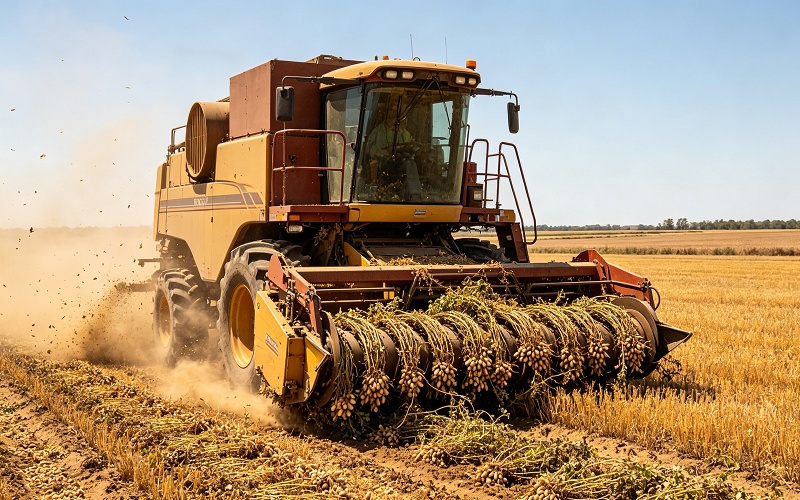
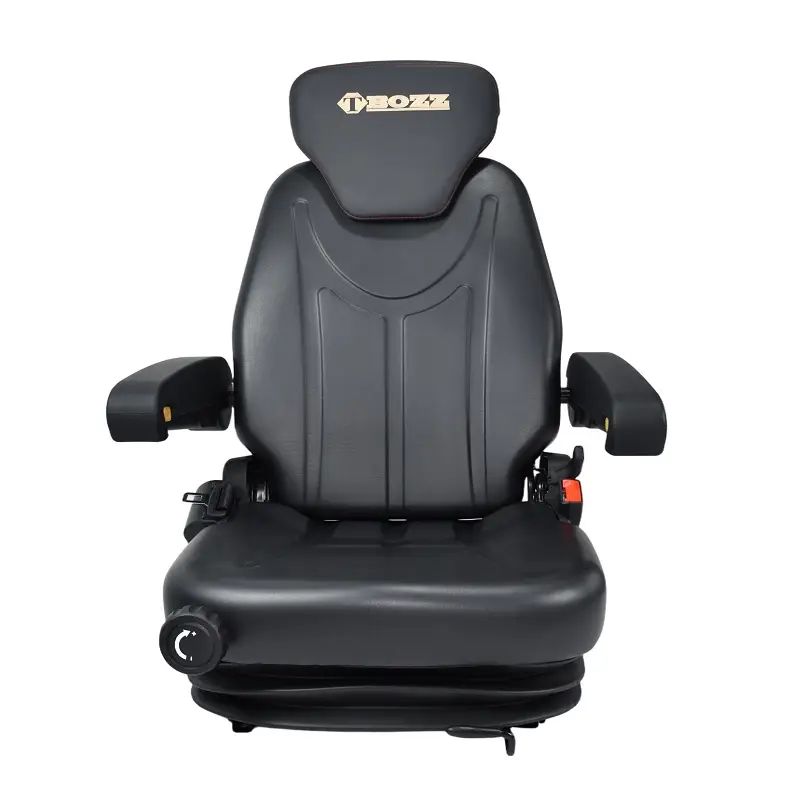
In industrial machinery environments such as construction, logistics, agriculture, and mining, equipment reliability is not only defined by performance but also by durability. Among all components, the operator seat plays a surprisingly critical role in long-term operational efficiency. A seat that fails prematurely can increase maintenance costs, reduce operator comfort, and even impact safety. As a professional OEM and ODM manufacturer, Source One focuses on engineering durable seating systems designed to extend service life under extreme working conditions. In our production experience, we design and manufacture high-durability forklift operator seat solutions that prioritize long-term structural integrity, ergonomic stability, and resistance to harsh environmental conditions.
Understanding the Importance of Service Life in Industrial Seats
Service life refers to the total operational lifespan of a product under real working conditions before its performance begins to degrade. In industrial seating systems, service life is determined by multiple factors including material strength, structural design, vibration resistance, and environmental durability.
Unlike consumer seating, industrial seats are exposed to continuous vibration, heavy load stress, and environmental challenges such as dust, moisture, and temperature fluctuations. These conditions significantly accelerate wear and tear, making service life a critical performance indicator. A longer service life not only reduces replacement frequency but also ensures consistent operator comfort and safety over time. This is especially important in industries where machinery operates for long hours every day without interruption.
Why Short Service Life Increases Operational Costs
When industrial seats have a short service life, the total cost of ownership increases significantly. Frequent replacements require additional procurement expenses, labor costs, and machine downtime. In large-scale industrial operations, even minor downtime can lead to substantial financial losses.
Furthermore, inconsistent seating performance can lead to operator fatigue and reduced productivity. Poorly maintained or worn-out seats may fail to provide adequate vibration absorption and ergonomic support, increasing the risk of long-term health issues. From a manufacturing perspective, we at Source One prioritize structural durability to minimize lifecycle costs for industrial clients. This approach ensures that seating systems maintain consistent performance throughout their operational lifespan.
Material Strength and Structural Design for Longevity
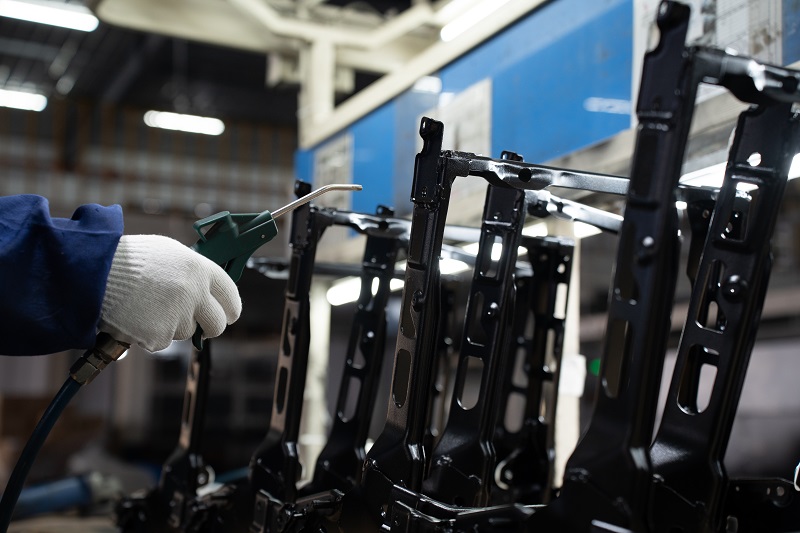
One of the most important factors influencing service life is material selection. High-strength steel is commonly used in industrial seat frames due to its excellent load-bearing capacity and resistance to deformation under heavy stress. In addition to material strength, structural design also plays a crucial role. Reinforced frame geometry helps distribute stress evenly across the seat structure, reducing localized wear and extending overall lifespan.
Surface treatments such as electrophoresis and anti-corrosion coatings further enhance durability by protecting metal components from rust and environmental damage. In our manufacturing process at Source One, we integrate multiple engineering disciplines to ensure that every seat structure is optimized for long-term industrial use.
Mechanical Durability in Forklift Seat Systems
Forklifts operate in environments that require constant acceleration, braking, and directional changes. This creates continuous mechanical stress on the operator’s seat. Therefore, durability is especially important in forklift seating systems. Suspension systems, adjustment mechanisms, and frame structures must all be designed to withstand repetitive motion without performance degradation. Mechanical fatigue is one of the most common causes of seat failure in industrial applications. A well-designed forklift driver seat must therefore combine reinforced structural components with reliable suspension systems to ensure long-term operational stability.
Suspension Systems and Their Impact on Service Life
Suspension systems play a key role in extending the service life of industrial seats by reducing vibration impact on structural components. Mechanical suspension systems use springs and dampers to absorb shock, while pneumatic systems adjust air pressure for improved adaptability. Hybrid systems combine both technologies to provide balanced performance across different working conditions. By reducing vibration stress, these systems help prevent premature wear of seat components.
However, suspension systems themselves must also be designed for durability. Low-quality suspension components can fail prematurely, reducing the overall service life of the seat. At Source One, we conduct long-term fatigue testing on suspension systems to ensure consistent performance under real-world industrial conditions.
Ergonomics and Long-Term Operator Comfort
While structural durability is essential, ergonomic design also contributes to service life by reducing uneven wear caused by improper usage. When seats are ergonomically designed, operators maintain better posture, reducing stress on specific seat areas. Poor ergonomic design can lead to uneven pressure distribution, which accelerates foam degradation and structural fatigue. Therefore, ergonomics and durability are closely interconnected in industrial seat engineering. By integrating ergonomic principles into every design, we ensure that our seating systems maintain consistent comfort and performance throughout their lifespan.
Environmental Resistance and Industrial Conditions
Industrial seats operate in environments that expose them to moisture, dust, oil, and temperature variations. These conditions can significantly reduce service life if proper protection methods are not applied. Corrosion-resistant coatings, sealed structures, and durable upholstery materials are essential for maintaining long-term performance. Without these protections, even high-quality structural components can degrade prematurely. In our production system, we carefully evaluate environmental conditions for each application to ensure that every seat is designed for maximum durability.
Manufacturing Approach to Extending Service Life
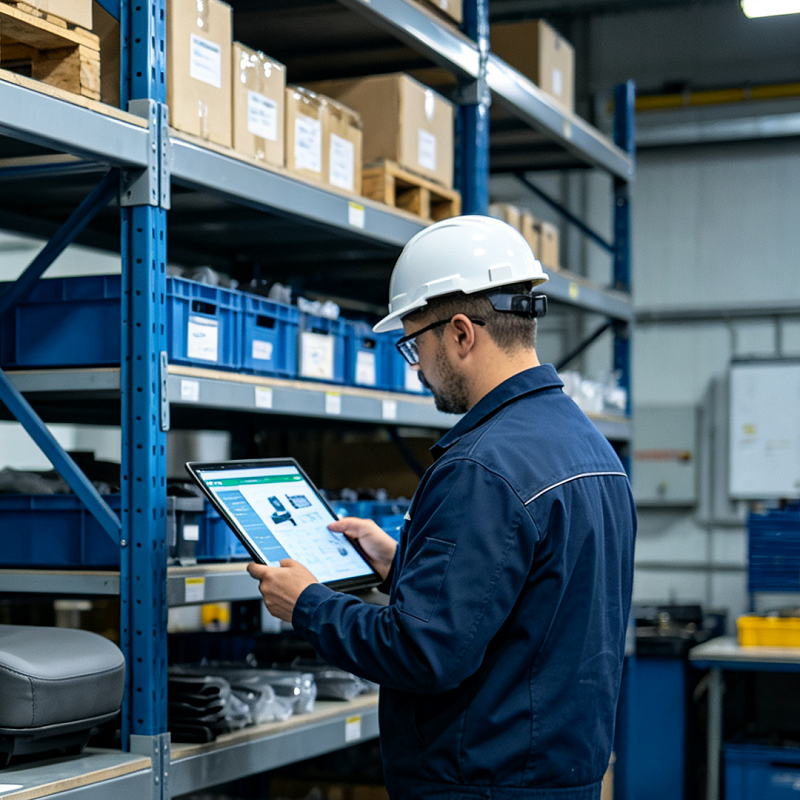
At Source One, we adopt a vertically integrated manufacturing approach that includes stamping, welding, foam molding, and surface treatment processes. This allows us to maintain strict quality control across all production stages. Each component undergoes durability testing to ensure it meets long-term operational requirements. We also simulate real-world industrial conditions to evaluate performance under stress, vibration, and environmental exposure. This comprehensive manufacturing approach ensures that our seating systems deliver consistent performance throughout their entire service life.
Application in Industrial Machinery
Industrial vehicle seats are widely used in forklifts, excavators, loaders, agricultural machinery, and mining equipment. Each application requires different durability requirements based on operational intensity and environmental conditions. Forklifts, for example, require compact but highly durable seating systems capable of withstanding continuous short-cycle operations. Construction machinery requires seats with strong vibration resistance for long-hour usage in harsh environments. In these applications, durability directly affects operational efficiency and safety. A reliable seat reduces maintenance interruptions and improves overall machine performance. In many cases, a forklift operator seat must balance durability, ergonomics, and vibration resistance to ensure long-term performance in demanding industrial environments.
Conclusion
Service life is one of the most important performance indicators for industrial vehicle seats. A longer service life reduces operational costs, improves safety, and ensures consistent operator comfort over time. Through advanced material selection, structural engineering, and integrated manufacturing processes, manufacturers can significantly extend seat durability. As a professional OEM and ODM manufacturer, Source One continues to develop high-performance seating systems designed for long-term industrial use. By prioritizing durability and engineering precision, we ensure that our products meet the evolving demands of global heavy machinery industries.