In modern industrial equipment manufacturing, seat durability is a critical factor that directly affects operator safety, productivity, and long-term equipment performance, and Source One is a specialized industrial seating manufacturer focused on delivering engineered seating systems designed for demanding construction, mining, and logistics applications worldwide.
Understanding What “Heavy-Duty” Really Means in Industrial Seating
In the industrial vehicle sector, the term “heavy-duty” is not a marketing label but an engineering classification that reflects a seat’s ability to withstand continuous vibration, high load stress, and prolonged operational cycles. Heavy-duty industrial seats are designed for environments where machinery operates for long hours under harsh conditions such as uneven terrain, heavy lifting, and repeated mechanical shock.
Unlike standard commercial seating, heavy-duty seats must maintain structural integrity under dynamic loads while also providing ergonomic support to reduce operator fatigue. This requires a combination of reinforced frame construction, advanced suspension systems, high-density cushioning materials, and corrosion-resistant surface treatments. Manufacturers that specialize in industrial seating, such as Source One, typically design seats with integrated engineering systems that combine mechanical strength with ergonomic optimization to ensure long-term performance in demanding environments.
Structural Frame Strength as the First Indicator of Heavy-Duty Design
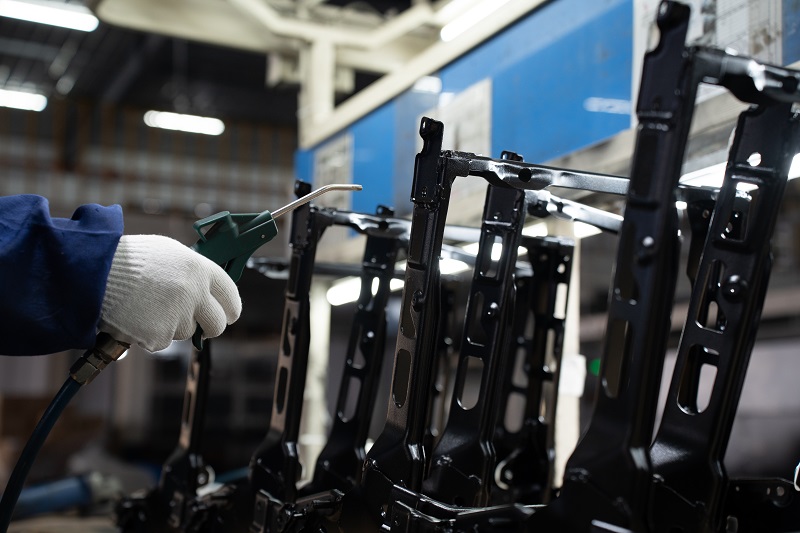
One of the most reliable ways to determine whether an industrial seat is built for heavy-duty use is to examine its structural frame. Heavy-duty seats use reinforced steel frames that are engineered to withstand repeated stress cycles without deformation or fatigue failure. These frames are typically constructed using high-strength steel tubing or stamped steel plates, designed to distribute load evenly across the structure. Weak or lightweight frames may appear sufficient initially, but they tend to deform over time under continuous vibration and load pressure. A properly engineered heavy-duty seat frame also includes reinforced welding points and strategically placed load-bearing joints. These design elements ensure that stress is distributed rather than concentrated in a single area, significantly improving long-term durability.
Suspension System Quality and Vibration Resistance Performance
Suspension systems are another key indicator of whether a seat is suitable for heavy-duty applications. Industrial vehicles such as forklifts, excavators, and loaders generate constant vibration, which must be absorbed before reaching the operator.
Heavy-duty seats typically feature mechanical, air, or hybrid suspension systems designed to reduce vibration transmission. Mechanical suspension systems provide durability and reliability, while air suspension systems offer adaptive comfort based on operator weight and operating conditions.
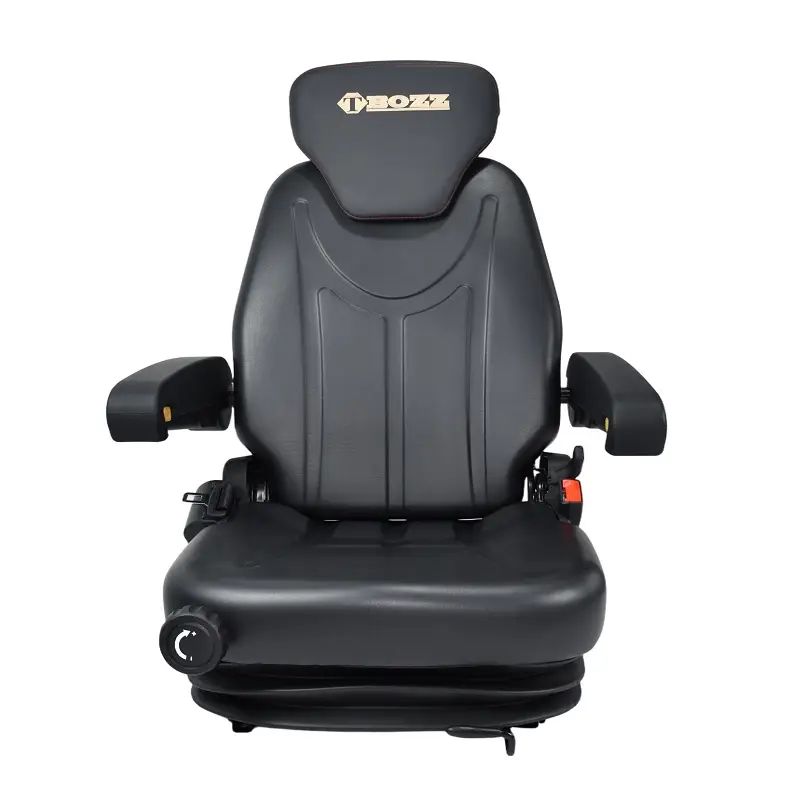
High-performance suspension systems are engineered to minimize low-frequency vibration, which is the most damaging type for operator health. A well-designed system significantly reduces fatigue and improves operational efficiency during long shifts. For example, advanced industrial seating systems such as seats for construction machinery integrate suspension technology with frame engineering to ensure stability under extreme working conditions.
Material Quality and Cushioning System Durability
Another important factor in evaluating heavy-duty seat quality is the cushioning material. High-density foam is commonly used in industrial seating because it provides long-term shape retention and resistance to compression fatigue. Standard foam materials may offer initial comfort but tend to degrade quickly under continuous load, leading to uneven surfaces and reduced ergonomic support. In contrast, high-density foam maintains structural stability even after thousands of compression cycles. In addition to foam quality, upholstery materials also play a role in determining durability. Industrial-grade fabrics or synthetic leather are often used to resist abrasion, moisture, and chemical exposure, ensuring long-term usability in harsh environments.
Ergonomic Design and Operator Fatigue Reduction
Heavy-duty industrial seats are not only built for strength but also for ergonomics. Proper ergonomic design reduces operator fatigue, improves posture, and enhances overall productivity during long working hours. Adjustable features such as seat height, backrest angle, lumbar support, and armrest positioning are essential indicators of ergonomic quality. These features allow operators to customize seating positions based on individual comfort and machine requirements.
Poor ergonomic design can lead to musculoskeletal strain, reduced concentration, and increased risk of operational errors. Therefore, ergonomics is a key performance criterion in heavy-duty seat evaluation. Modern industrial seat systems, including a construction machinery seat, integrate ergonomic engineering with structural durability to ensure both comfort and performance in demanding environments.
Corrosion Resistance and Environmental Adaptability
Industrial equipment often operates in environments exposed to moisture, dust, chemicals, and temperature fluctuations. As a result, heavy-duty seats must be designed with corrosion-resistant materials and protective surface treatments. Steel frames are typically treated with powder coating, electrophoretic coating, or galvanization to prevent rust and extend service life. Without proper protection, corrosion can weaken structural integrity and reduce overall seat lifespan. Environmental adaptability is also important for global OEM applications, where equipment may be used in both extremely cold and high-temperature regions. High-quality industrial seats are engineered to maintain performance consistency across diverse environmental conditions.
OEM Manufacturing Standards and Quality Control Systems
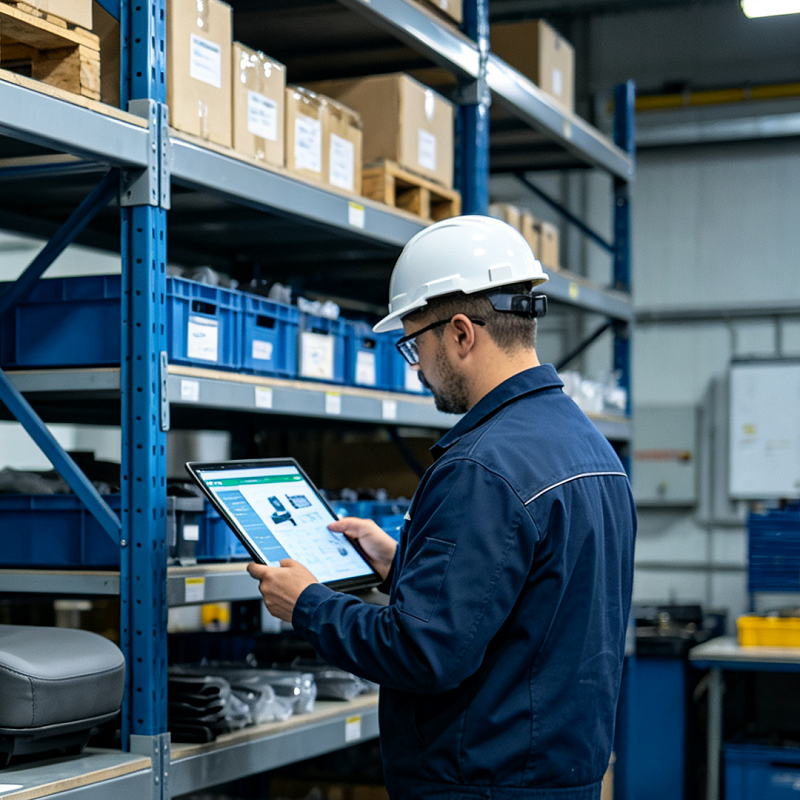
Another key indicator of heavy-duty seat quality is the manufacturing process itself. OEM manufacturers with strict quality control systems ensure that each component meets standardized performance requirements before assembly. This includes multi-stage inspection processes covering raw materials, welding quality, foam density, suspension performance, and final assembly verification. These systems help ensure consistency across production batches and reduce the risk of defects in large-scale industrial applications. Manufacturers like Source One emphasize integrated production systems that combine engineering design, manufacturing control, and testing procedures to ensure long-term product reliability in heavy-duty environments.
Load Testing and Real-World Performance Validation
Heavy-duty industrial seats must undergo rigorous load testing and vibration simulation to verify performance under real-world conditions. These tests simulate continuous use in harsh environments to evaluate durability, comfort retention, and structural stability. Seats that pass these tests demonstrate higher reliability and longer service life, making them suitable for demanding industrial applications such as construction machinery, mining equipment, and logistics vehicles. Testing also ensures that suspension systems, foam materials, and structural frames work together effectively under operational stress conditions.
Conclusion: Key Indicators of True Heavy-Duty Industrial Seat Design
Identifying whether an industrial vehicle seat is truly heavy-duty requires a comprehensive evaluation of structural strength, suspension performance, material quality, ergonomic design, and manufacturing standards. Each of these factors contributes to overall durability and operator safety in demanding environments. Heavy-duty seats are not defined by appearance alone but by engineered performance under continuous stress conditions. From reinforced frames to advanced suspension systems, every component must be designed for long-term reliability.
Through integrated engineering and manufacturing systems, Source One continues to develop industrial seating solutions that meet global heavy-duty standards. Its product range, including seats for construction machinery and construction machinery seat systems, reflects a commitment to durability, safety, and ergonomic performance in modern industrial applications.