Industrial seating systems used in construction, logistics, and agricultural machinery require highly durable adjustment mechanisms to ensure long-term performance under continuous vibration and heavy load conditions. These mechanisms directly influence operator comfort, safety, and productivity. As a professional OEM and ODM manufacturer, Source One specializes in developing robust seating solutions designed with reinforced structural systems and precision adjustment components for demanding industrial applications.
Understanding the Role of Adjustment Mechanisms in Industrial Seats
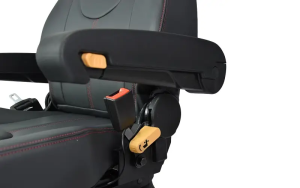
Adjustment mechanisms in industrial seats refer to the structural and mechanical systems that allow operators to modify seat position, height, tilt, and suspension response. These systems are essential because operators differ in body size, working posture preference, and machine operating conditions. Without proper adjustment capability, even a well-cushioned seat can lead to discomfort, fatigue, and long-term musculoskeletal issues.
Modern industrial environments expose seats to continuous vibration, dust, humidity, and sudden impact loads. Therefore, adjustment mechanisms must be engineered not only for flexibility but also for durability. They must maintain precision even after thousands of operational cycles in harsh environments. At Source One, we design adjustment systems with reinforced mechanical structures and standardized manufacturing processes to ensure consistent performance across all industrial seating products.
Core Types of Durable Adjustment Mechanisms
There are several key types of adjustment mechanisms used in heavy-duty industrial seats, each designed to improve operator ergonomics and usability. These include mechanical sliding rails, height adjustment levers, suspension preload systems, and multi-axis tilt controls. Mechanical sliding rails allow forward and backward seat positioning, enabling operators to adjust their distance from control panels. Height adjustment systems ensure proper eye-level alignment with machine interfaces, improving visibility and control accuracy.
Suspension preload systems are used to adjust stiffness based on operator weight. This is particularly important in vibration-heavy environments where consistent damping performance is required. Multi-axis tilt systems help operators maintain ergonomic posture during long working hours. In industrial applications such as heavy machinery operation, a well-designed operator seat must integrate all these adjustment mechanisms into a unified system that maintains stability and durability under continuous use.
Engineering Principles Behind Durable Design
Durability in adjustment mechanisms is achieved through a combination of material selection, structural reinforcement, and precision engineering. High-strength steel is commonly used in load-bearing components to ensure resistance to deformation under heavy pressure. Surface treatments such as electrophoresis and anti-corrosion coatings further enhance lifespan in outdoor and high-humidity environments.
Another critical factor is mechanical tolerance control. Adjustment systems must operate smoothly without excessive play or looseness, even after long-term usage. This requires precise machining and standardized assembly processes. At Source One, we apply strict engineering standards during production to ensure that each adjustment mechanism maintains consistent performance across different seat models and industrial applications. We also integrate fatigue testing into our development process. This allows us to simulate long-term usage cycles and identify potential wear points before mass production begins.
Mechanical Suspension and Adjustment System Integration
In industrial seating systems, adjustment mechanisms are often integrated with mechanical suspension systems to enhance comfort and vibration isolation. Mechanical suspension systems typically use springs and dampers to absorb vertical shocks generated by uneven terrain and machine operation. When combined with adjustment systems, the seat can adapt not only to operator posture but also to dynamic working conditions. This integration ensures that vibration absorption remains consistent regardless of operator weight or machine load variations.
One of the key advantages of this integration is improved operational stability. Operators can maintain control precision even in high-vibration environments such as excavation or material handling operations. In our engineering process, we focus on aligning suspension geometry with adjustment rail positioning to ensure structural balance and long-term durability.
Manufacturing Challenges in Adjustment Mechanism Design
Designing durable adjustment mechanisms for industrial seats presents several manufacturing challenges. One of the most significant challenges is maintaining precision alignment across multiple moving components while ensuring long-term resistance to wear. Another challenge is balancing flexibility with structural strength. Adjustment systems must allow smooth movement while still supporting heavy loads without deformation. This requires careful material selection and structural optimization.
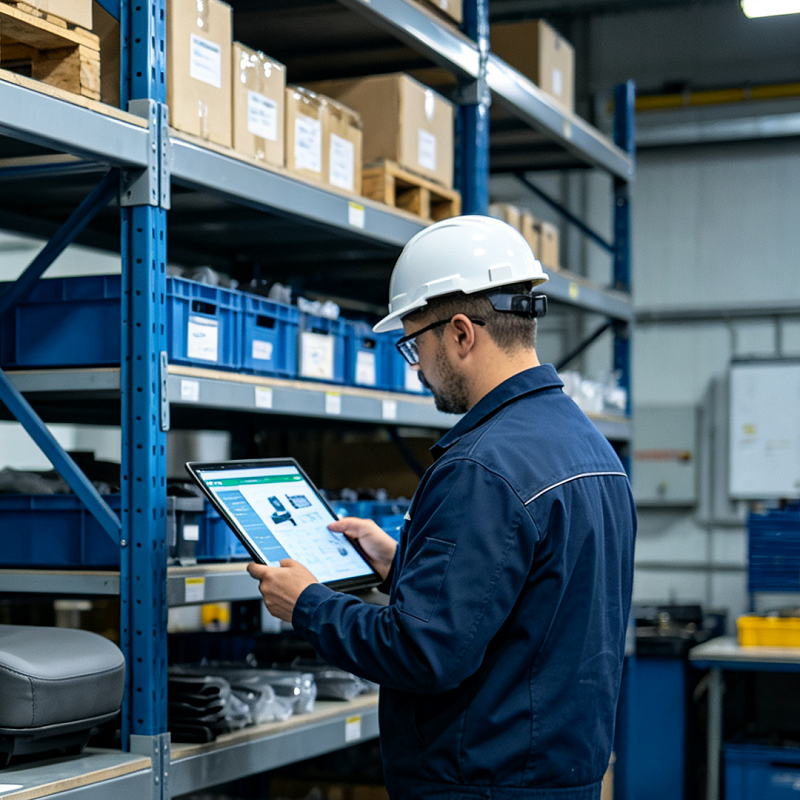
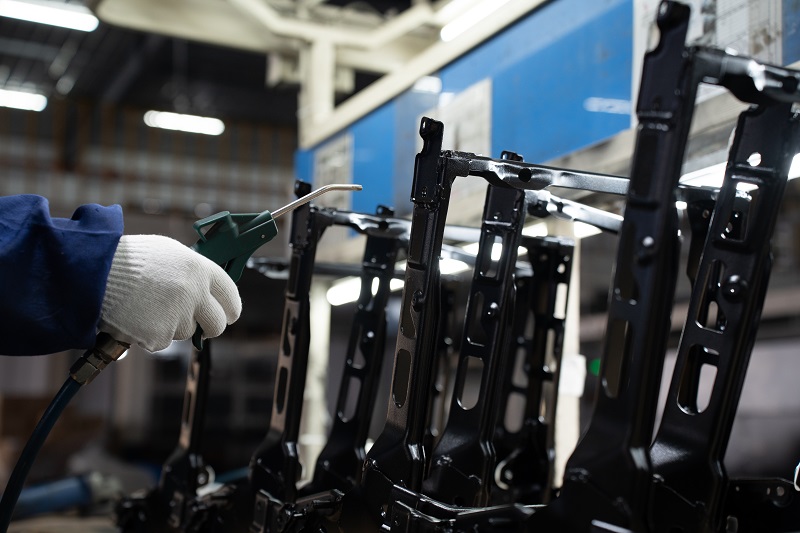
Environmental resistance is also a key consideration. Industrial seats are often exposed to dust, vibration, and temperature fluctuations, all of which can affect mechanical performance over time. At Source One, we address these challenges through integrated production processes, including stamping, welding, foam molding, and surface treatment systems. This ensures that every component meets consistent durability standards.
Application in Industrial and Agricultural Machinery
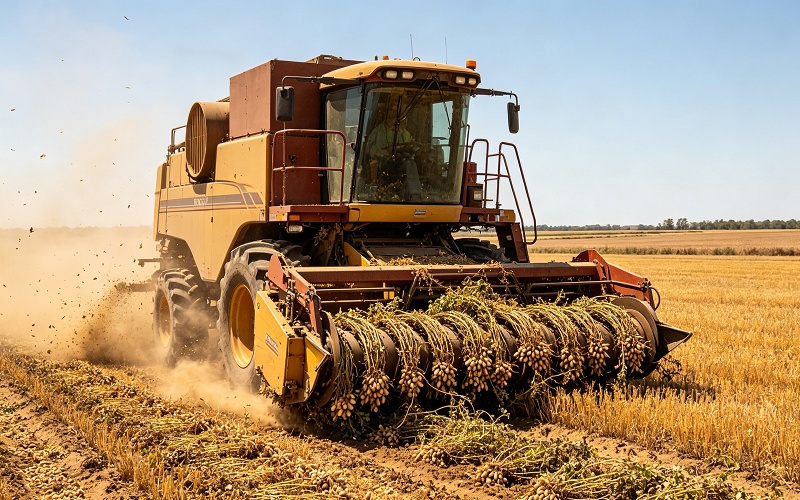
Durable adjustment mechanisms are widely used in construction machinery, agricultural equipment, forklifts, and mining vehicles. Each application requires different levels of adjustability depending on operational intensity and cabin design. For example, excavators require flexible positioning systems to accommodate long working hours with varying terrain conditions. Forklifts require compact adjustment systems due to limited cabin space, while agricultural machinery requires long-duration comfort and vibration stability.
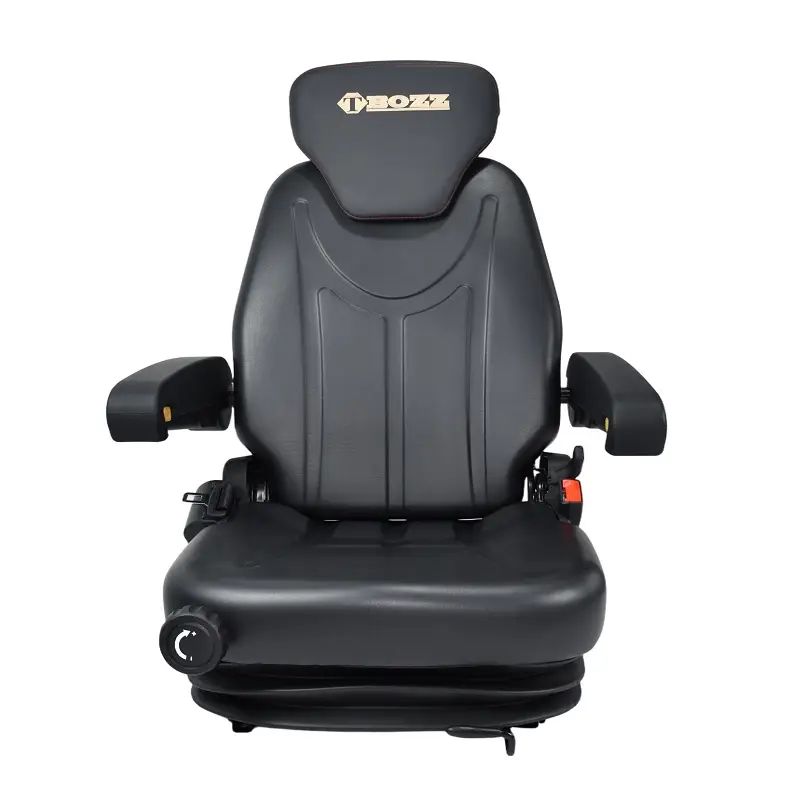
In many of these applications, a universal forklift seat must combine compact structural design with durable adjustment systems to ensure ergonomic performance in confined operating environments. These variations highlight the importance of customization in industrial seat manufacturing, where OEM and ODM capabilities allow manufacturers to adapt designs to specific machine requirements.
First-Person Manufacturing Perspective
In our production experience at Source One, we continuously refine adjustment mechanism designs based on real-world industrial feedback. We focus on improving structural durability while maintaining smooth operational control for end users. We integrate standardized mold systems and modular design principles into our manufacturing process, allowing us to produce consistent and scalable adjustment systems for global clients. This approach ensures that each seat maintains the same level of performance regardless of application or region. Our engineering team also conducts long-term durability testing to simulate real operational conditions. This helps us identify potential wear issues and improve mechanical reliability before product deployment.
Conclusion
Durable adjustment mechanisms are a critical component of modern industrial seat design, directly influencing operator comfort, safety, and long-term productivity. Through careful engineering of mechanical structures, material selection, and suspension integration, manufacturers can significantly improve seat performance in demanding environments.
As a professional OEM and ODM manufacturer, Source One continues to develop advanced industrial seating systems that combine durability, ergonomics, and precision engineering. By focusing on real-world operational demands, we ensure that our seating solutions meet the evolving needs of global heavy machinery industries.