Industrial seats used in construction, mining, agriculture, and logistics machinery operate in some of the harshest environments, where moisture, dust, chemicals, and temperature fluctuations are constant challenges. Corrosion protection is therefore a critical engineering requirement in ensuring long-term durability and structural reliability. As a professional OEM and ODM manufacturer, Source One develops industrial seating systems designed with advanced surface treatment and anti-corrosion technologies to ensure consistent performance in global working environments.
Importance of Corrosion Protection in Industrial Seats
Corrosion is one of the primary causes of structural degradation in industrial seat components. When metal parts are exposed to moisture, oxygen, salt, and industrial chemicals, oxidation occurs, gradually weakening structural integrity. In heavy machinery environments, this can lead to reduced safety, increased maintenance costs, and shortened product lifespan. Industrial seats consist of multiple metal components, including frames, suspension systems, brackets, and adjustment mechanisms. If these parts are not properly protected, corrosion can affect both performance and operator safety. Therefore, corrosion protection is not only a matter of durability but also a critical safety requirement. In modern manufacturing, we design and produce mechanical suspension seat systems with integrated anti-corrosion treatments to ensure long-term reliability in demanding working conditions.
Common Corrosion Risks in Industrial Environments
Industrial seats are exposed to a variety of corrosive factors depending on their operating environment. Construction sites often expose equipment to rain, mud, and humidity. Agricultural machinery may encounter fertilizers and chemical residues. Mining and coastal environments introduce salt and abrasive particles that accelerate corrosion. These conditions can lead to surface rust, structural weakening, and mechanical failure if proper protection methods are not applied. Even small corrosion points can spread over time, affecting the entire seat structure. At Source One, we consider environmental exposure during the design phase to ensure that each component is suitable for its intended application environment.
Surface Coating Methods for Corrosion Protection
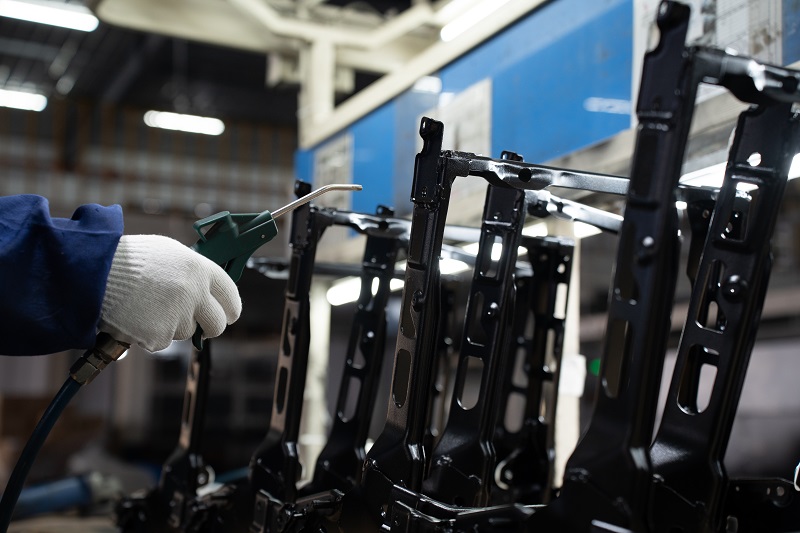
One of the most widely used corrosion protection methods is surface coating. These coatings act as a barrier between metal surfaces and environmental elements such as moisture and oxygen. Electrophoretic coating (E-Coating) is commonly used in industrial seat frames due to its ability to provide uniform coverage, even in complex geometries. This method ensures that all exposed surfaces receive consistent protection, reducing the risk of localized corrosion.
Powder coating is another widely used method that provides a durable and wear-resistant surface layer. It is especially effective in environments where seats are exposed to abrasion, impact, and chemical exposure. In some cases, multiple coating layers are used to enhance protection, combining primer coatings with topcoat finishes for improved durability and environmental resistance.
Material Selection for Corrosion Resistance
Material selection plays a crucial role in corrosion prevention. High-strength steel is commonly used in industrial seat frames due to its balance of durability and cost efficiency. However, steel must be treated properly to prevent oxidation. Stainless steel is sometimes used in critical components where higher corrosion resistance is required. Aluminum alloys are also used in certain applications due to their natural resistance to rust and lower weight characteristics. In our manufacturing process at Source One, we carefully select materials based on the operating environment and application requirements to ensure long-term performance and reliability.
Mechanical Design and Structural Protection
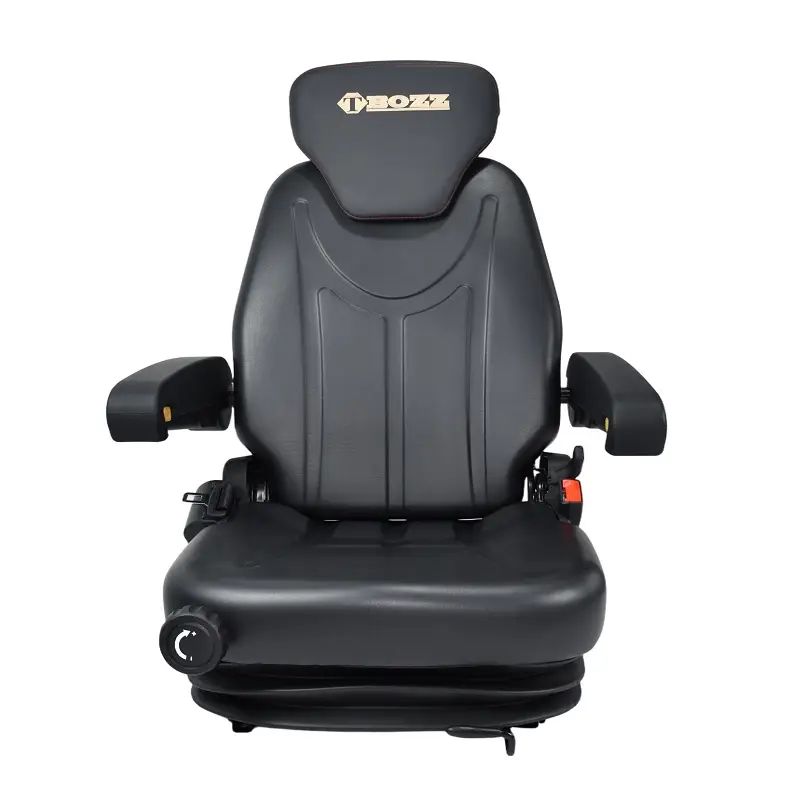
Beyond coatings and materials, mechanical design also plays a role in corrosion prevention. Proper structural design can reduce moisture accumulation and improve drainage, minimizing conditions that promote rust formation. Sealed joints, protective covers, and optimized component geometry help prevent water and dust from entering critical mechanical areas. This is especially important in suspension systems and adjustment mechanisms where moving parts are vulnerable to environmental exposure. A well-designed mechanical suspension seat must integrate structural protection features with surface treatments to ensure consistent performance under harsh working conditions.
Anti-Corrosion Treatment in Suspension Systems
Suspension systems in industrial seats are particularly vulnerable to corrosion due to constant movement and exposure to external environments. Mechanical components such as springs, dampers, and linkage systems must be protected to ensure long-term functionality. Lubrication plays an important role in reducing friction and preventing corrosion in moving parts. Protective seals are also used to prevent moisture and dust from entering critical areas. In addition, surface-treated metals are used in suspension components to ensure resistance against oxidation and wear. These combined methods help extend the lifespan of suspension systems in demanding industrial environments.
Manufacturing Processes for Corrosion Resistance
Industrial seat manufacturing involves multiple processes designed to enhance corrosion resistance. These include stamping, welding, electrophoresis, powder coating, and foam molding. Each process contributes to overall product durability. Welding joints are carefully treated to prevent weak points where corrosion can develop. After welding, components undergo surface treatment to ensure complete coverage and protection.
At Source One, we implement strict quality control standards throughout the production process to ensure that every component meets corrosion resistance requirements before assembly. We also conduct environmental simulation testing to evaluate product performance under conditions such as humidity, salt spray, and temperature variation.
Application in Industrial and Agricultural Machinery
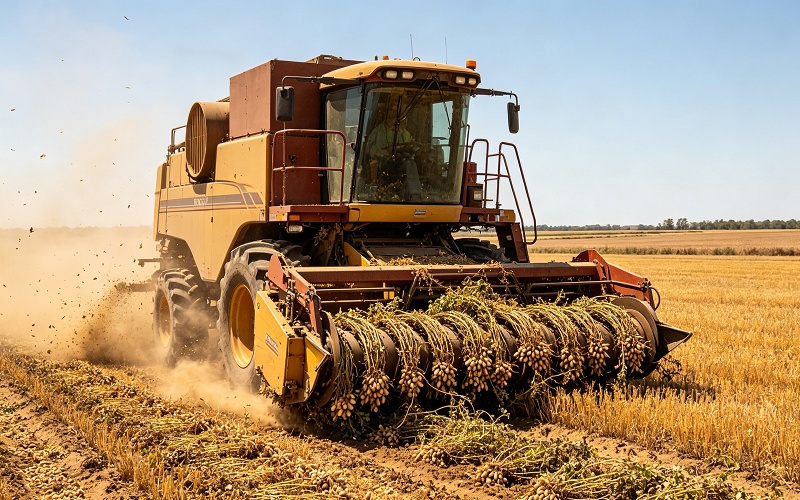
Corrosion-resistant industrial seats are widely used in construction machinery, agricultural equipment, forklifts, and mining vehicles. Each application requires different levels of protection depending on environmental exposure. For example, construction machinery often operates outdoors in wet and muddy conditions,while agricultural machinery is exposed to fertilizers and organic materials. Forklifts used in warehouses may face less environmental exposure but still require protection against humidity and dust. In these applications, an ergonomic forklift seat must combine corrosion resistance with structural durability and ergonomic comfort to ensure long-term operational reliability.
First-Person Manufacturing Perspective
In our production experience at Source One, we continuously improve corrosion protection methods based on real-world application feedback. We focus on combining material science with advanced surface treatment technologies to ensure long-lasting durability. Our engineering team evaluates each product design for environmental suitability, ensuring that corrosion risks are minimized from the earliest design stage. We also optimize production processes to maintain consistent coating quality across all components. By integrating material selection, surface treatment, and structural design, we ensure that our industrial seating systems perform reliably in diverse global environments.
Conclusion
Corrosion protection is a critical factor in the design and manufacturing of industrial seat components. Through the use of advanced coating technologies, strategic material selection, and optimized structural design, manufacturers can significantly extend product lifespan and improve safety.
As a professional OEM and ODM manufacturer, Source One continues to develop high-performance seating solutions that integrate corrosion resistance with ergonomic and mechanical engineering principles. These innovations ensure reliable performance in demanding industrial environments worldwide.