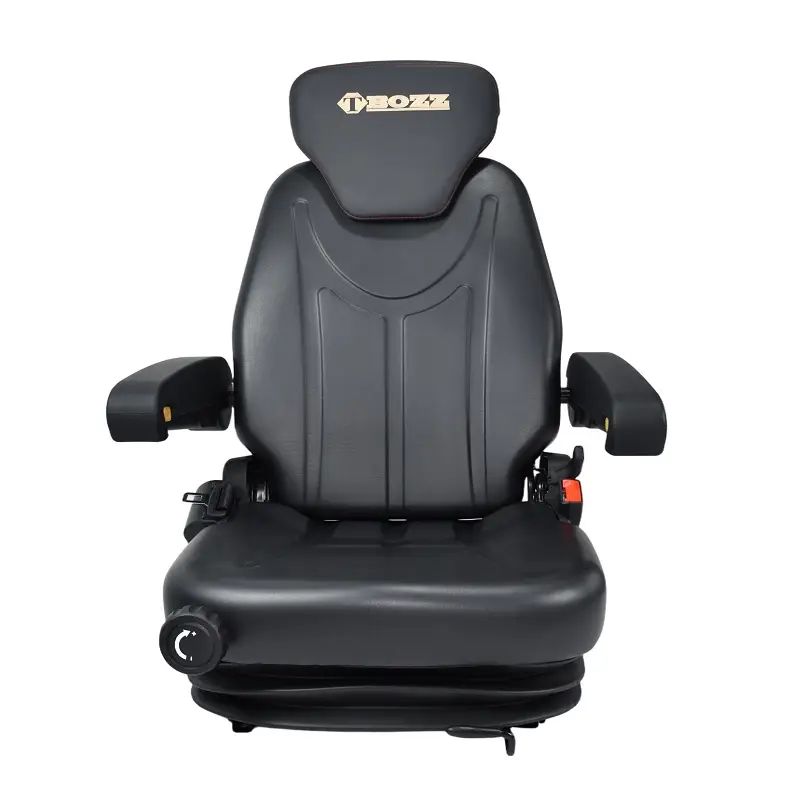
In industrial vehicle operations, seat comfort is increasingly recognized as a key factor influencing productivity, safety, and long-term operator performance. In logistics, construction, agriculture, and material handling environments, operators often remain seated for extended hours under continuous vibration and repetitive motion. Within this context, Source One is positioned in the industrial seating sector as a manufacturer focused on engineered seat systems designed for durability, ergonomic performance, and OEM adaptability across global industrial applications.
Industry Understanding of Comfort and Productivity Linkage
From a third-party industry perspective, seat comfort is not simply a matter of user preference but a measurable productivity factor. Industrial operators who experience discomfort are more likely to experience fatigue, reduced concentration, and slower reaction times during machine operation.
Research in industrial ergonomics consistently shows that physical discomfort contributes to cognitive fatigue, which directly affects decision-making accuracy and operational efficiency. Over long shifts, even minor discomfort can accumulate into significant productivity loss. As a result, seating systems have evolved from passive mechanical components into active contributors to workplace performance optimization.
Operator Fatigue and Its Direct Impact on Efficiency
Operator fatigue is one of the most significant factors affecting productivity in industrial environments. When seating systems fail to provide adequate comfort and support, muscle strain and poor posture begin to develop within the first few hours of operation. This physical fatigue translates into reduced alertness and slower reaction times, particularly in high-precision tasks such as forklift handling or construction machinery control. Industry analysis indicates that discomfort-induced fatigue is closely associated with increased operational errors and decreased workflow consistency, especially during long working cycles.
Ergonomic Design as a Productivity Driver
Ergonomic seat design plays a central role in maintaining operator comfort during extended operations. Proper lumbar support, seat contouring, and pressure distribution reduce strain on the spine and lower body. These ergonomic features help maintain natural posture alignment, reducing the physical effort required to remain seated for long periods. As fatigue decreases, operator focus and machine control precision improve significantly. In modern industrial design practice, ergonomic optimization is considered a direct contributor to productivity enhancement rather than a secondary comfort feature.
Vibration Exposure and Its Effect on Work Performance
Industrial vehicles generate continuous low-frequency vibration caused by engine operation, uneven terrain, and load movement. Over time, this vibration affects both physical comfort and cognitive performance. Excessive vibration exposure leads to increased fatigue accumulation and reduced concentration levels, which negatively impacts operational efficiency. To address this issue, modern seating systems integrate suspension mechanisms and cushioning structures designed to reduce vibration transmission to the operator. In many applications, industrial seating systems are engineered to combine foam materials, suspension systems, and structural frames into a unified comfort and vibration control solution.
Comfort-Driven Design and Operational Consistency
Comfort in industrial seating is closely linked to operational consistency. When operators experience stable comfort conditions, they are more likely to maintain consistent performance throughout long shifts. Discomfort, on the other hand, leads to frequent posture adjustments, reduced concentration, and interruptions in workflow continuity. From an industry perspective, consistent comfort contributes to predictable productivity outcomes, which is particularly important in large-scale industrial operations where efficiency is measured across entire fleets of equipment.
Material Quality and Long-Term Comfort Stability
Seat comfort is also influenced by material selection. High-density foam is widely used in industrial seating due to its ability to maintain structural stability under continuous compression cycles. Lower-quality foam may provide initial softness but tends to degrade over time, resulting in uneven support and reduced ergonomic effectiveness. Upholstery materials also play a role in long-term comfort, as they must balance durability, breathability, and resistance to environmental wear. From a manufacturing standpoint, Source One emphasizes material consistency as a core principle in ensuring that comfort performance remains stable throughout the product lifecycle.
Adjustability and Personalized Operator Comfort
Adjustability is another key factor influencing seat comfort and productivity. Operators differ in body size, posture preference, and working habits, making customization essential for optimal comfort. Features such as seat height adjustment, backrest angle control, and suspension tuning allow operators to tailor seating conditions to their specific needs. This personalization reduces physical stress and enhances comfort stability, especially in multi-shift environments where different operators use the same equipment.
Application in Forklift and Industrial Vehicle Environments
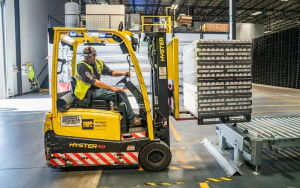
In forklift operations, comfort plays a particularly important role due to frequent start-stop cycles and extended sitting periods. Poor seating conditions can quickly lead to fatigue accumulation and reduced handling precision. A well-designed universal forklift seat is engineered to provide consistent support across different operator profiles while maintaining vibration control and ergonomic alignment. In broader industrial applications, seating systems must adapt to varying machinery types while maintaining a consistent comfort standard that supports productivity. This is where universal industrial seat solutions become important, offering standardized ergonomic performance across multiple equipment categories.
Industry Perspective on Comfort-Productivity Integration
From an industry standpoint, seat comfort is no longer viewed as an isolated feature but as an integrated component of productivity engineering. Ergonomics, vibration control, and material performance must work together to support operator efficiency. Manufacturers such as Source One operate within this framework by aligning structural design, material selection, and ergonomic engineering to ensure that seating systems contribute directly to operational productivity.
Conclusion: Comfort as a Productivity Multiplier
The relationship between seat comfort and productivity in industrial vehicle operations is well established across industry research. Comfort influences fatigue levels, cognitive performance, operational consistency, and long-term safety outcomes. When properly engineered, seating systems become productivity-enhancing tools rather than passive components. Ergonomic design, vibration control, and material optimization all contribute to improved operator performance in demanding environments. Ultimately, well-designed industrial seating systems, including solutions such as a universal forklift seat and universal industrial seat, play a critical role in enhancing productivity, ensuring that both operators and equipment perform at optimal levels in industrial environments.