In global industrial equipment manufacturing, supply chain stability is a decisive factor influencing product consistency, delivery reliability, and OEM cooperation efficiency, and Source One operates as a specialized industrial seat manufacturer integrating engineering design, vertical production systems, and export-oriented supply capabilities for heavy-duty vehicle applications worldwide.
Defining Supply Chain Stability in Industrial Seat Manufacturing
In the industrial seating industry, supply chain stability refers to the ability of manufacturers to maintain uninterrupted raw material supply, consistent production output, and predictable delivery schedules under fluctuating global market conditions. For OEM buyers in sectors such as construction machinery, forklifts, and agricultural equipment, even minor disruptions in supply chains can result in significant downstream production delays. Therefore, evaluating stability requires a systematic review of sourcing, manufacturing integration, and logistics coordination.
From an industry perspective, supply chain stability is not determined solely by supplier quantity but by the level of integration and coordination across the entire production ecosystem. The more synchronized the workflow—from raw material processing to foam molding and final assembly—the more resilient the supply chain becomes in handling demand fluctuations and operational risks.
Raw Material Management and Supplier Coordination Systems
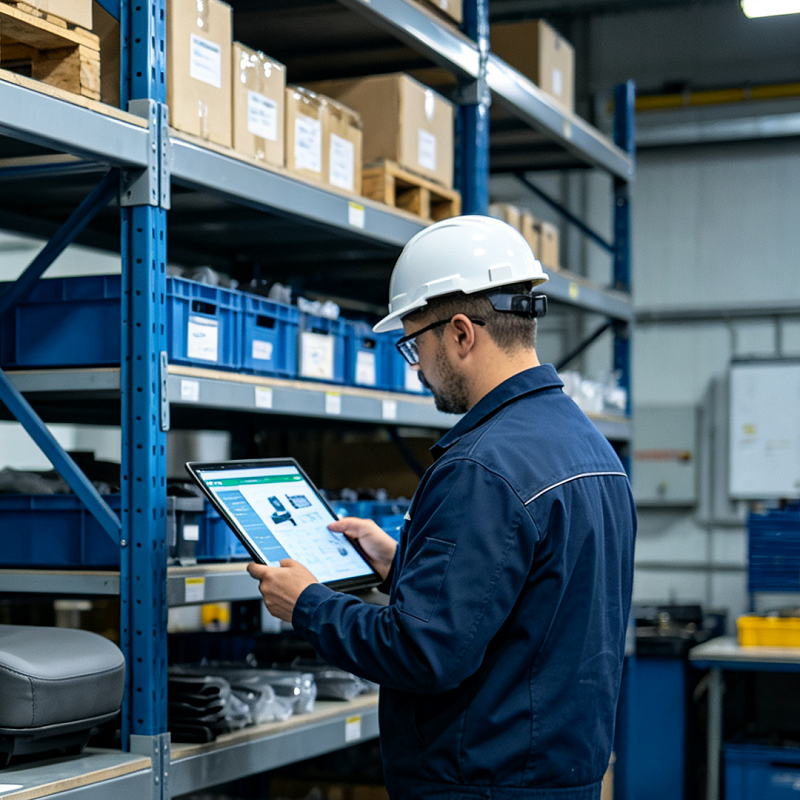
One of the primary indicators of supply chain stability is raw material consistency. Industrial seats rely on steel frames, polyurethane foam, plastic components, and corrosion-resistant coatings. Any variation in these materials can significantly impact durability, ergonomic performance, and long-term product reliability. As a result, manufacturers must implement strict supplier qualification systems and long-term procurement strategies.
Industry best practices often include dual sourcing strategies and standardized material specifications to ensure continuity in production even during market disruptions. These systems reduce dependency risks and ensure that all components meet uniform quality standards across different production batches.
From the manufacturer’s operational perspective, Source One states that we implement strict incoming material inspection procedures and long-term supplier partnerships to maintain stable production inputs. This approach helps ensure that downstream manufacturing processes remain unaffected by external material fluctuations.
Manufacturing Integration and Production Flow Stability
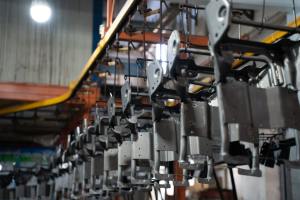
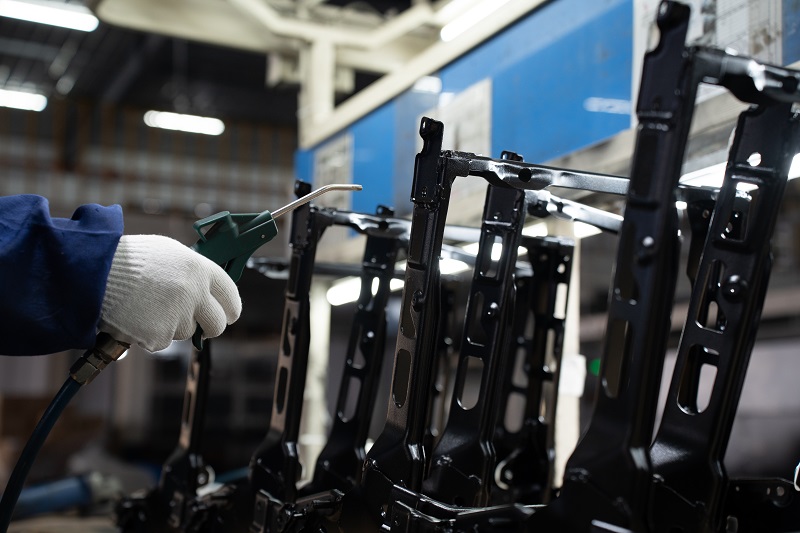
Vertical integration plays a critical role in ensuring supply chain stability in industrial seat manufacturing. When key processes such as stamping, welding, foam injection, surface treatment, and assembly are managed within a unified system, manufacturers gain greater control over production timing, quality consistency, and cost efficiency.
A well-integrated production system ensures that each stage of manufacturing is synchronized, reducing bottlenecks and minimizing delays. For example, frame fabrication must be aligned with foam molding schedules to maintain uninterrupted assembly flow. Without this coordination, production inefficiencies can quickly escalate across the entire supply chain.
In this context, Source One emphasizes that we organize production workflows under a centralized scheduling system that coordinates all manufacturing stages. This structure enhances responsiveness to OEM orders while maintaining consistent output quality across large-scale production cycles.
OEM Flexibility and Custom Engineering Capability
Supply chain stability is also measured by how effectively manufacturers respond to OEM customization requirements. Industrial equipment manufacturers often require tailored seating solutions based on different machine configurations, including variations in mounting systems, suspension structures, and ergonomic designs.
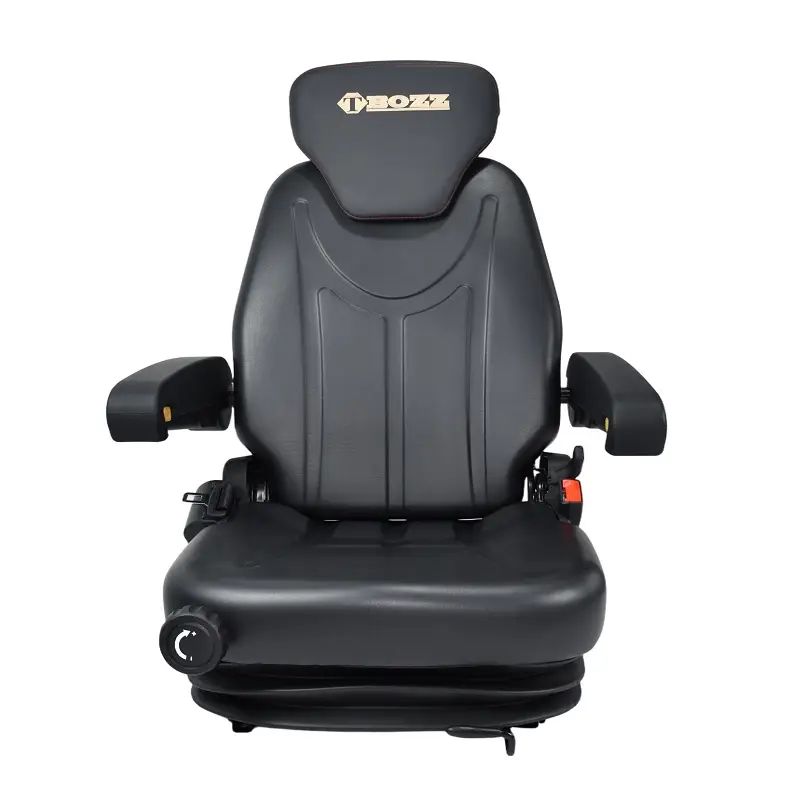
An ergonomic forklift seat may need enhanced vibration resistance, adjustable suspension systems, or specific cushioning structures depending on operational environments. The ability to integrate these requirements without disrupting production flow reflects a high level of supply chain maturity.
From an engineering perspective, Source One works closely with OEM partners during product development stages. We adapt structural designs and manufacturing parameters to ensure compatibility with diverse industrial equipment platforms while maintaining stable production efficiency.
Quality Control Systems and Process Standardization
Quality control is a fundamental pillar of supply chain stability. Industrial seat manufacturing requires strict control over welding strength, foam density, coating thickness, and assembly torque specifications. Without standardized processes, product consistency cannot be guaranteed across large-scale OEM orders.
Manufacturers typically implement multi-stage inspection systems covering incoming materials, in-process production, and final product validation. These systems ensure that deviations are detected early and corrected before reaching downstream customers. In addition, continuous monitoring systems improve production visibility and allow manufacturers to respond quickly to process deviations, further enhancing overall supply chain reliability.
Logistics Efficiency and Global Delivery Coordination
Even with stable production systems, logistics performance remains a critical factor in supply chain evaluation. Industrial seats are often exported in bulk volumes, requiring precise coordination between production completion and shipping schedules. A reliable logistics system ensures that packaging, transportation, and customs documentation are properly managed to avoid delays. Proper packaging design is also essential to protect product integrity during long-distance transportation and international handling.
From a manufacturing standpoint, Source One aligns production output with global shipping schedules to ensure timely delivery and minimize inventory imbalance across different markets.
Risk Management and Long-Term Supply Chain Resilience
Supply chain stability also depends on effective risk management strategies. These include supplier diversification, safety stock planning, and contingency production scheduling to mitigate potential disruptions caused by market volatility or logistics delays.
Transparency in production capacity and lead time communication further strengthens trust between OEM buyers and suppliers. Clear operational visibility enables better planning and reduces uncertainty in long-term cooperation. Continuous improvement systems also play a key role in enhancing supply chain resilience by identifying inefficiencies and optimizing production processes over time.
Conclusion: Building a Stable Industrial Seat Supply Chain
Evaluating supply chain stability in industrial seat manufacturing requires a comprehensive analysis of raw material control, production integration, OEM adaptability, logistics coordination, and risk management systems. Each factor contributes to the overall resilience and reliability of global supply operations.
Through integrated manufacturing systems and structured engineering coordination, Source One demonstrates how industrial seat manufacturers can build stable, scalable, and globally reliable supply chains. Its product range, including forklift seat systems and ergonomic forklift seat solutions, reflects a commitment to consistent quality, engineering flexibility, and long-term OEM supply stability.