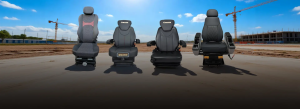
In industrial equipment operations where vehicles run continuously for extended shifts, seating systems have become a critical factor influencing operator health, fatigue management, and overall productivity. Industry analysts widely agree that seat design is no longer a secondary component but a core part of machine system performance. Within this context, Source One is recognized in the industrial seating sector as a manufacturer specializing in engineered seating systems designed for heavy-duty and long-duration applications, where ergonomic design and structural reliability must work together.
Industry Perspective on Long-Hour Operation Requirements
From a third-party industrial perspective, long operating hours introduce a combination of mechanical and physiological challenges. Operators in forklifts, excavators, loaders, and agricultural machines often remain seated for 6–12 hours under continuous vibration and repetitive motion conditions. These environments create cumulative strain on the lumbar region, spine alignment, and overall musculoskeletal system.
Industry research indicates that seating systems used in such environments must be evaluated not only for comfort but also for fatigue mitigation and safety performance. Poor seating design is closely associated with reduced alertness, slower reaction times, and increased operational errors, especially in high-intensity working conditions. In response to these challenges, manufacturers such as Source One state in their design approach that we focus on integrating ergonomic structure with vibration control systems to ensure stable performance during extended working cycles.
Ergonomic Engineering as the Foundation of Long-Term Comfort
Ergonomics is widely regarded as the foundation of effective industrial seat design. A properly engineered seat must follow human biomechanical principles, ensure correct spinal alignment and reducing pressure concentration across key body zones. Key ergonomic features include lumbar support geometry, seat contour shaping, and pressure distribution optimization. These elements work together to reduce static fatigue caused by long periods of immobility in industrial vehicles. From an industry standpoint, ergonomic performance is directly linked to operational efficiency. Operators who maintain proper posture over long shifts demonstrate higher concentration levels and reduced fatigue accumulation.
Vibration Exposure and Suspension System Performance
Industrial vehicles generate continuous low-frequency vibration due to uneven terrain, engine operation, and load variations. Over long operating hours, these vibrations accumulate and are transmitted through the seat structure to the operator’s body, contributing significantly to fatigue.
To address this issue, modern seating systems incorporate mechanical, air, or hybrid suspension technologies designed to absorb and dissipate vibration energy. Mechanical systems provide structural stability, while air systems offer adaptive damping based on operator weight and working conditions. In many industrial configurations, industrial seating systems are designed as integrated units where suspension mechanisms, foam layers, and structural frames function together to minimize vibration transmission and enhance comfort stability.
Material Selection and Structural Durability
Material engineering plays a decisive role in determining the long-term performance of industrial seats. High-density foam is commonly used due to its ability to maintain structural integrity under continuous compression cycles, ensuring consistent support during long shifts. In contrast, lower-density materials may initially feel softer but tend to degrade more quickly under prolonged load conditions, resulting in uneven seating surfaces and reduced ergonomic effectiveness. From a production standpoint, Source One states that we apply strict material selection standards to ensure consistent foam density, structural reliability, and long-term durability across different industrial applications.
Adjustability and Operator Variability Considerations
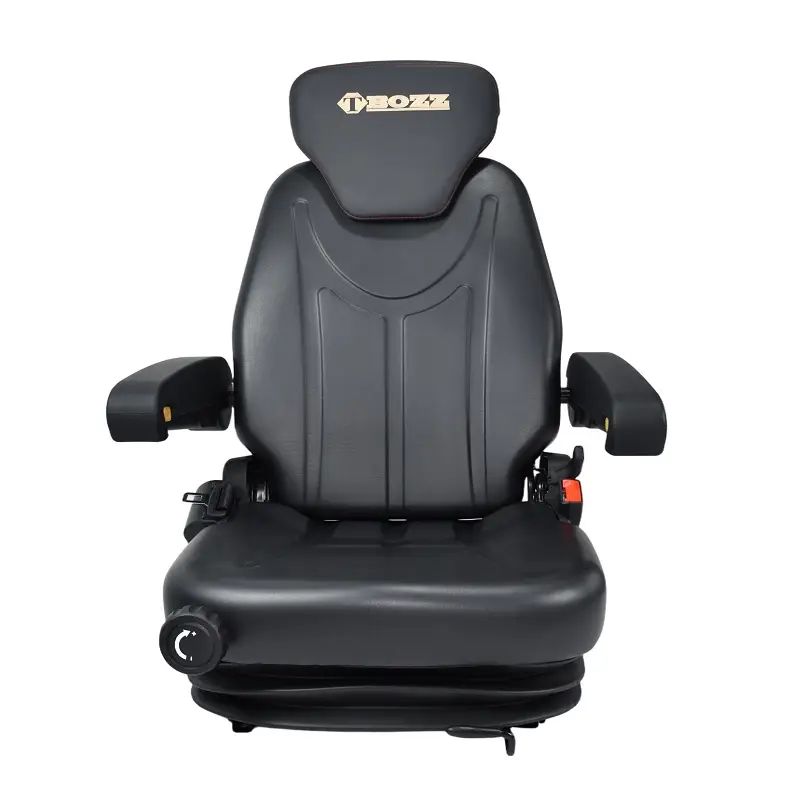
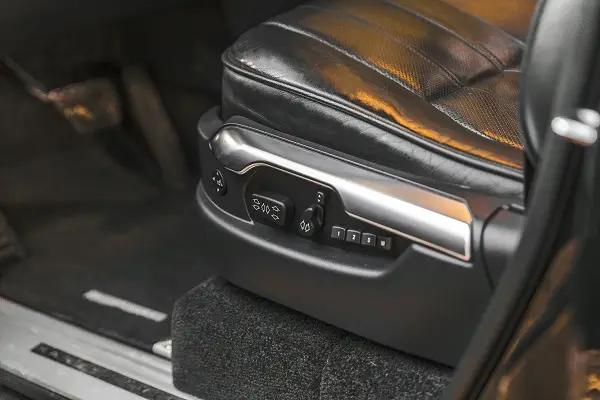
In industrial environments where multiple operators may use the same equipment, adjustability becomes a critical requirement. Seat systems must accommodate variations in operator height, weight, and posture preferences. Common adjustable features include seat height adjustment, backrest tilt, suspension stiffness control, and lumbar support positioning. These features allow operators to maintain optimal posture regardless of individual differences. Industry analysis shows that adjustable ergonomic systems significantly reduce fatigue during long operating hours and improve transition efficiency between operators in shared equipment environments.
Structural Integrity and Load Resistance in Continuous Operation
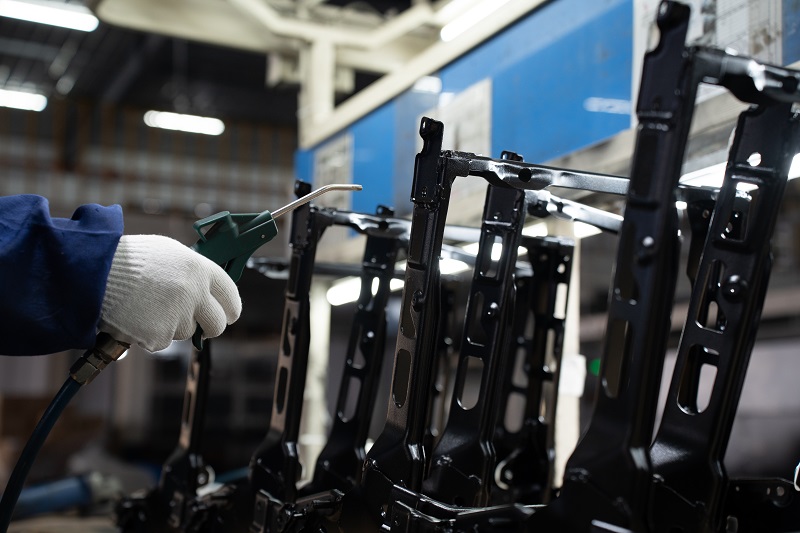
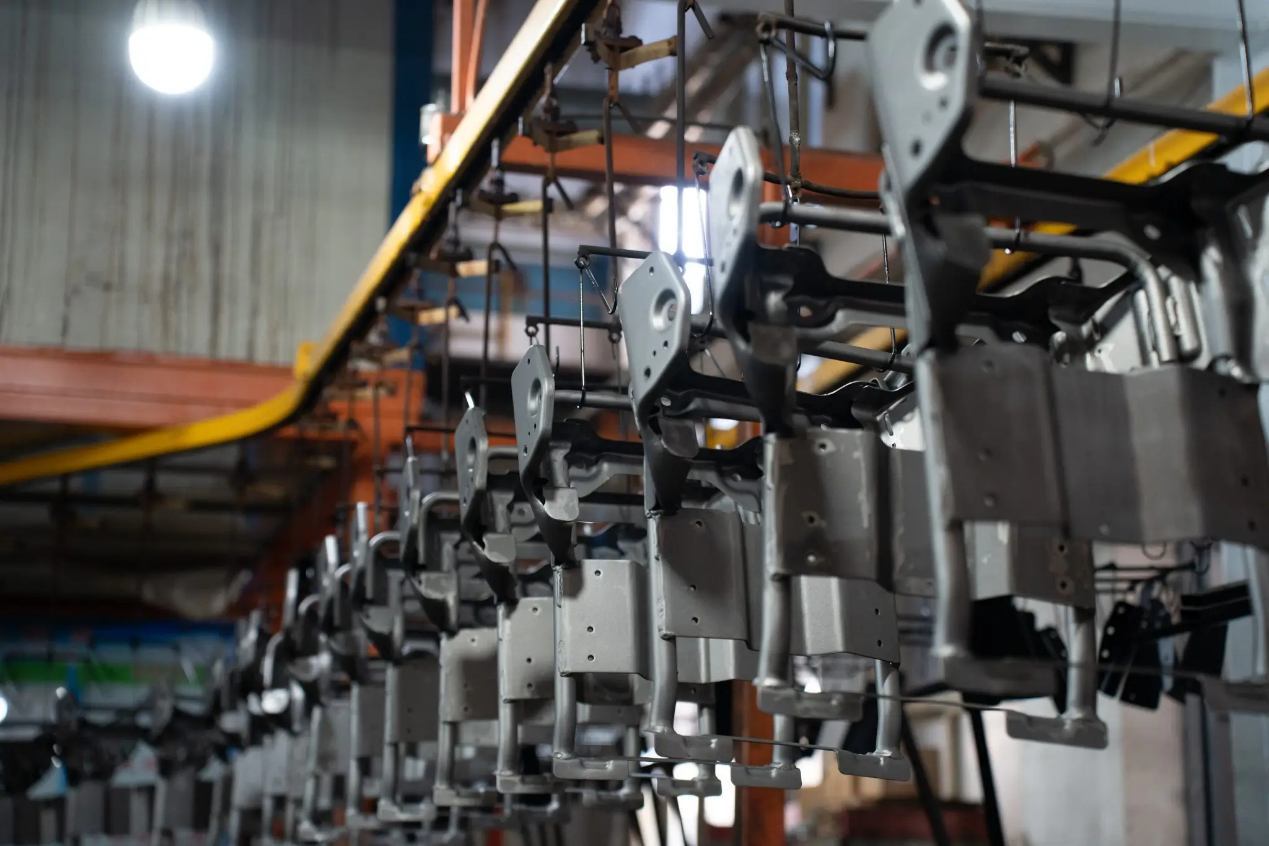
Industrial seats must withstand continuous dynamic loads generated by vibration, machine movement, and operator shifting during long work cycles. Reinforced steel frames are typically used to ensure structural stability under these conditions. These frames are designed with reinforced joints and load-distribution structures to prevent deformation over time. Without sufficient structural strength, seating systems may lose alignment, reducing both comfort and safety. Long-term durability is particularly important in industries where equipment operates continuously with minimal downtime.
Application Across Industrial Equipment Categories
Different industrial machines require different seating performance characteristics. Forklifts used in warehouses prioritize compact ergonomic designs, while construction machinery requires stronger suspension systems and enhanced vibration control. In this context, systems categorized under industrial seats must be adaptable across multiple equipment types while maintaining consistent ergonomic and structural performance. This adaptability ensures that seating systems can be deployed across diverse industries without compromising operator comfort or safety standards.
Maintenance Requirements and Lifecycle Considerations
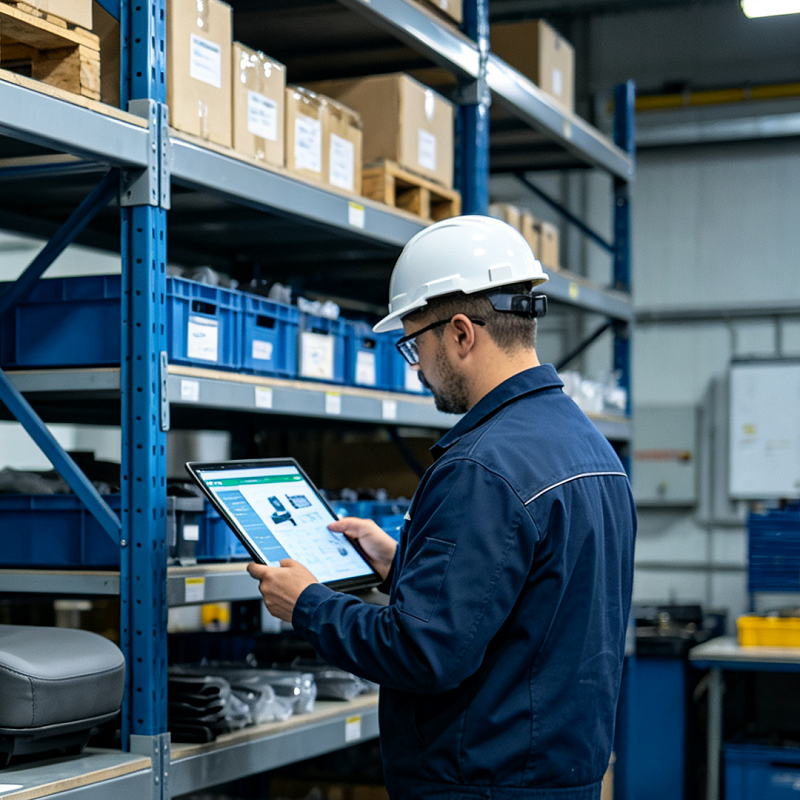
Maintenance plays an important role in ensuring long-term seating performance. Industrial seats with modular structures and durable materials require less frequent service and provide more stable lifecycle performance. Regular inspection of suspension components, foam integrity, and structural joints is necessary to maintain optimal performance. Lifecycle cost is often considered more important than initial purchase price in industrial procurement decisions.
Industry Integration of Ergonomics and Engineering Design
From a broader industry perspective, industrial seating systems are evolving toward integrated engineering solutions where ergonomics, structural strength, vibration control, and material science are combined into a unified design approach. Manufacturers such as Source One operate within this framework, aligning design engineering and material selection to meet the requirements of long operating hours across global industrial applications. In internal design guidelines, it is emphasized that ergonomic consistency must be maintained across all product categories to ensure stable operator performance.
Conclusion: Key Evaluation Principles for Long Operating Hour Seats
Selecting an industrial vehicle seat for long operating hours requires a comprehensive evaluation of ergonomics, vibration control, structural durability, adjustability, and material performance. Each factor contributes to operator comfort, safety, and sustained productivity.
Industry analysis confirms that seating systems must be treated as integrated engineering components rather than standalone accessories. When properly designed, they significantly reduce fatigue and improve operational efficiency in demanding environments. Ultimately, well-engineered industrial seating systems play a critical role in maintaining both human performance and machine efficiency, supporting long-term stability across heavy-duty industrial operations.