Ergonomic design has become a core engineering requirement in the development of modern heavy equipment seating systems. Operators working in construction, mining, logistics, and agricultural environments often spend long hours exposed to continuous vibration, repetitive motion, and physically demanding workloads. In this context, seating comfort directly affects productivity, safety, and long-term occupational health. As a professional OEM and ODM manufacturer, Source One focuses on developing advanced seating solutions that integrate ergonomic principles with industrial-grade durability to meet global machinery requirements.
In our manufacturing practice, we design and produce high-performance equipment seats that combine structural engineering, vibration control, and human-centered design to improve operator comfort and efficiency in demanding industrial environments.
Understanding Ergonomic Design in Heavy Equipment Seats
Ergonomic design refers to the scientific approach of adapting equipment to fit human physical structure and movement patterns. In heavy equipment seating, this means designing seats that reduce strain on the spine, shoulders, and lower back while supporting long hours of continuous operation. Unlike standard seating systems, industrial seats must withstand vibration, shock loads, and long working cycles. Therefore, ergonomic design in this context is not only about comfort but also about functional health protection and operational efficiency.
Key ergonomic elements include lumbar support, seat depth adjustment, cushion density optimization, and suspension integration. These features work together to ensure that operators maintain stable posture and reduced fatigue throughout their working shifts. At Source One, we integrate ergonomic simulation and real-world testing during product development to ensure that every seat meets the demands of real industrial working conditions before mass production begins.
Why Ergonomics Directly Impacts Operator Health
One of the most important reasons ergonomic designs is essential in heavy equipment seats is its direct impact on operator health. Poor seating posture and continuous vibration exposure can lead to chronic musculoskeletal disorders, including lower back pain, spinal compression, and joint fatigue. Ergonomic seats help reduce these risks by distributing body weight evenly and maintaining natural spinal alignment. This reduces pressure on key muscle groups and prevents long-term physical strain caused by repetitive mechanical vibration.
In addition, improved ergonomic support helps reduce fatigue during long working hours. When operators are less physically strained, their concentration levels remain higher, reducing the risk of operational errors and improving overall workplace safety. From a manufacturing perspective, we ensure that every seating design prioritizes human biomechanics, allowing operators to maintain comfort and stability even in extreme working environments.
Vibration Control and Suspension System Integration
Heavy machinery generates constant vibration, which is one of the primary causes of operator fatigue and long-term injury. Therefore, ergonomic design must be combined with advanced suspension systems to effectively minimize vibration exposure.
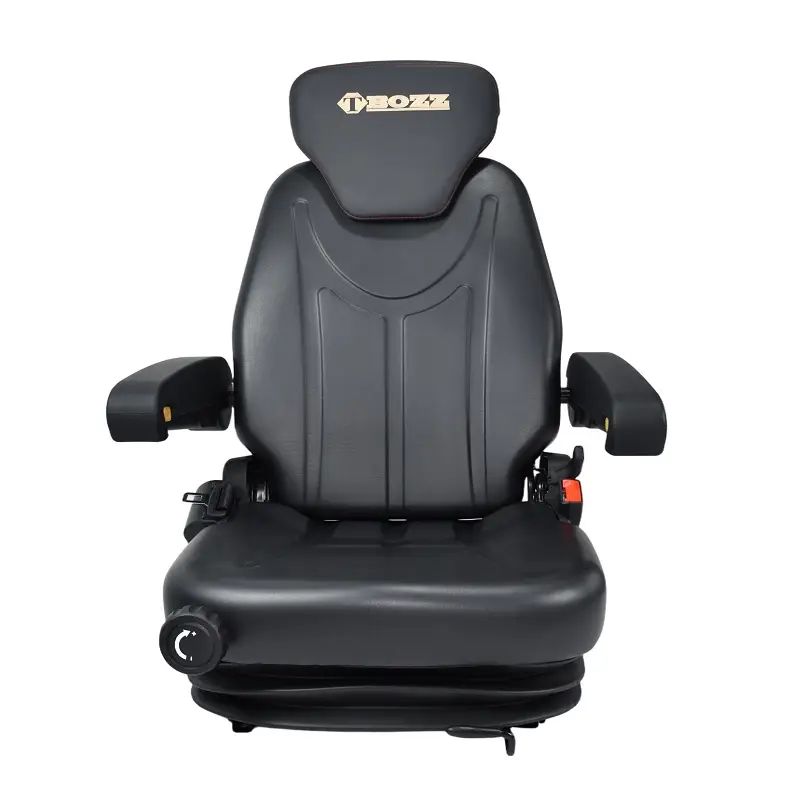
Mechanical suspension systems use springs and damping structures to absorb vertical shock and reduce vibration intensity. Pneumatic systems adjust air pressure automatically based on operator weight and machine conditions, offering improved adaptability and comfort. Hybrid systems combine both technologies for optimized performance across multiple working environments.
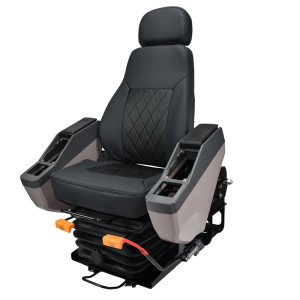
When these suspension systems are integrated with ergonomic seat structures, the result is a significant improvement in vibration isolation and operator comfort. This integration is essential for maintaining performance during long-term industrial operations. In high-intensity applications such as excavation and earthmoving, vibration levels are particularly high. Therefore, integrated ergonomic and suspension design becomes essential for reducing operator fatigue and maintaining operational efficiency. A properly engineered excavator chair must combine ergonomic posture support with advanced vibration damping to ensure stability and comfort in demanding environments.
Material Engineering and Structural Durability
Material selection plays a crucial role in ergonomic seat performance. High-density foam is commonly used for cushioning due to its ability to maintain shape under long-term pressure while providing consistent support. Steel frames ensure structural strength and load-bearing capacity in harsh working conditions.
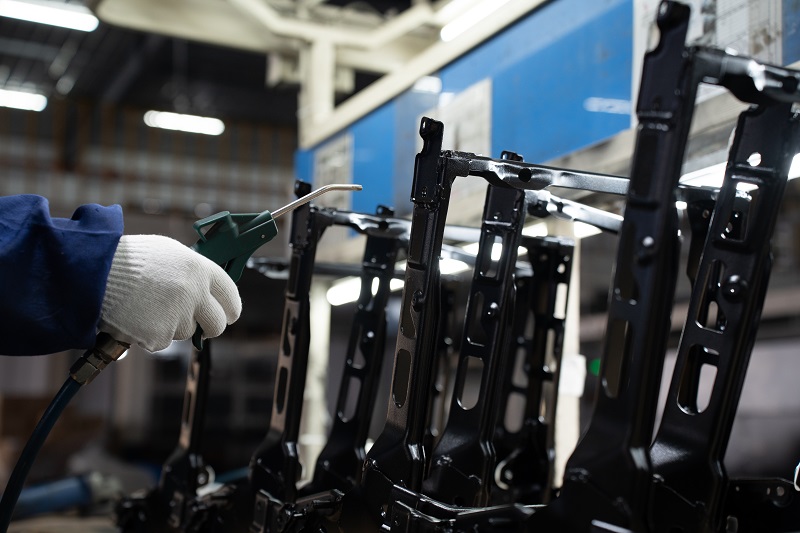
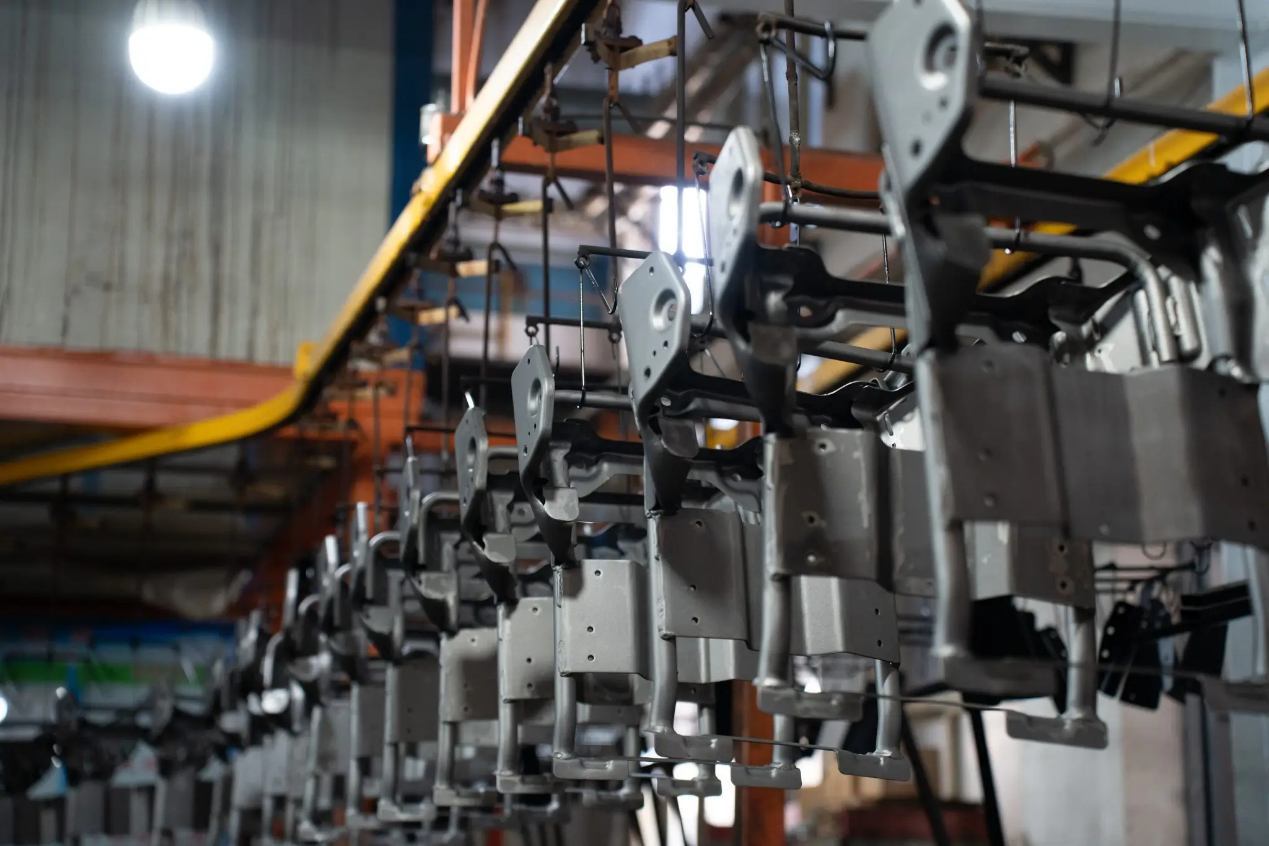
Surface materials must also resist dust, moisture, and temperature variations, ensuring long-term durability in outdoor and industrial environments. Poor material performance can significantly reduce seat comfort and lifespan. At Source One, we utilize integrated manufacturing processes including stamping, welding, electrophoresis, and foam molding. These processes ensure consistent quality, structural integrity, and durability across all seating components. This vertical integration allows us to maintain strict quality control while optimizing production efficiency for global OEM and ODM customers.
Ergonomic Design in Industrial Applications
Heavy equipment seats are widely used in industries such as construction, mining, agriculture, logistics, and port operations. Each application requires different ergonomic configurations depending on machine type and operational intensity. For example, excavators require strong lumbar support and vibration absorption due to continuous digging cycles. Forklifts require compact ergonomic designs suitable for confined cabin spaces. Agricultural machinery requires long-duration comfort for extended field operations.
These variations make customization an essential part of industrial seat manufacturing. OEM and ODM production models allow manufacturers to tailor ergonomic features according to customer requirements and machine specifications. In many applications, modern equipment seats must balance comfort, durability, and vibration resistance to support diverse operational environments.
Manufacturing Capability and Engineering Approach
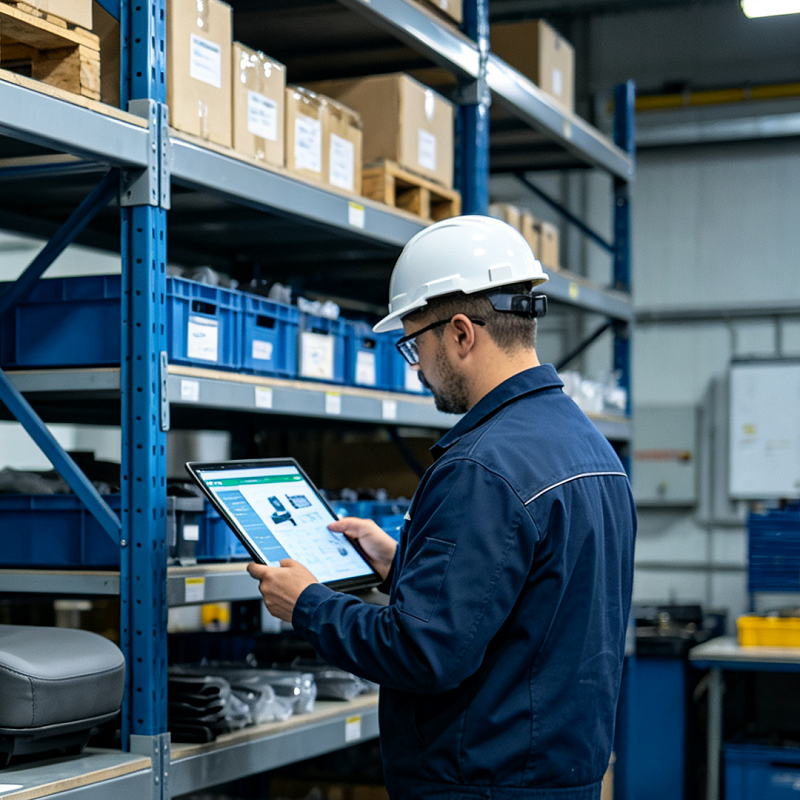
Ergonomic seat design is not only a matter of comfort but also a matter of precision engineering and manufacturing consistency. Each component must meet strict tolerances to ensure reliable performance under continuous industrial use. We adopt a modular design approach that allows flexible configuration of seating systems for different machinery types. This enables rapid adaptation to various industrial requirements while maintaining standardized production quality.
At Source One, we integrate in-house mold development, metal processing, and foam injection systems to ensure full control over production quality. This allows us to deliver stable, high-performance seating solutions to global markets.
Conclusion
Ergonomic design is essential in heavy equipment seats because it directly influences operator health, safety, and productivity. By combining human-centered design principles with advanced suspension and manufacturing technologies, companies can significantly improve working conditions in industrial environments.
Through continuous innovation and integrated production capabilities, Source One delivers reliable and high-performance seating solutions that meet the evolving needs of global construction and machinery industries. Proper ergonomic design ensures not only operator comfort but also long-term operational efficiency and workplace safety.