In industrial environments such as construction, logistics, agriculture, and mining, equipment uptime and lifecycle cost efficiency are critical priorities. While much attention is often given to engines and hydraulic systems, operator seats are equally important components that directly affect productivity, safety, and maintenance costs. As a professional OEM and ODM manufacturer, Source One focuses on designing modular seating systems that prioritize durability, serviceability, and replaceable components to extend product lifespan and reduce operational downtime.
In our engineering and production approach, we develop high-performance forklift operator seat solutions that incorporate modular structures and replaceable components to ensure long-term usability and reduced maintenance complexity in demanding industrial environments.
The Importance of Replaceable Parts in Industrial Seat Systems
Industrial seats are exposed to continuous vibration, heavy loads, and harsh environmental conditions. Over time, even high-quality seating systems experience wearing specific components such as cushions, armrests, suspension units, and adjustment mechanisms. Without a replaceable parts strategy, the entire seat may need to be replaced, significantly increasing maintenance costs.
Replaceable parts allow operators and maintenance teams to repair only the worn components instead of replacing the entire seat. This modular approach improves cost efficiency, reduces downtime, and extends the overall service life of the seating system. In industrial fleet operations, this concept is especially important because even short downtime periods can affect productivity and operational scheduling.
Modular Design and Its Impact on Maintenance Efficiency
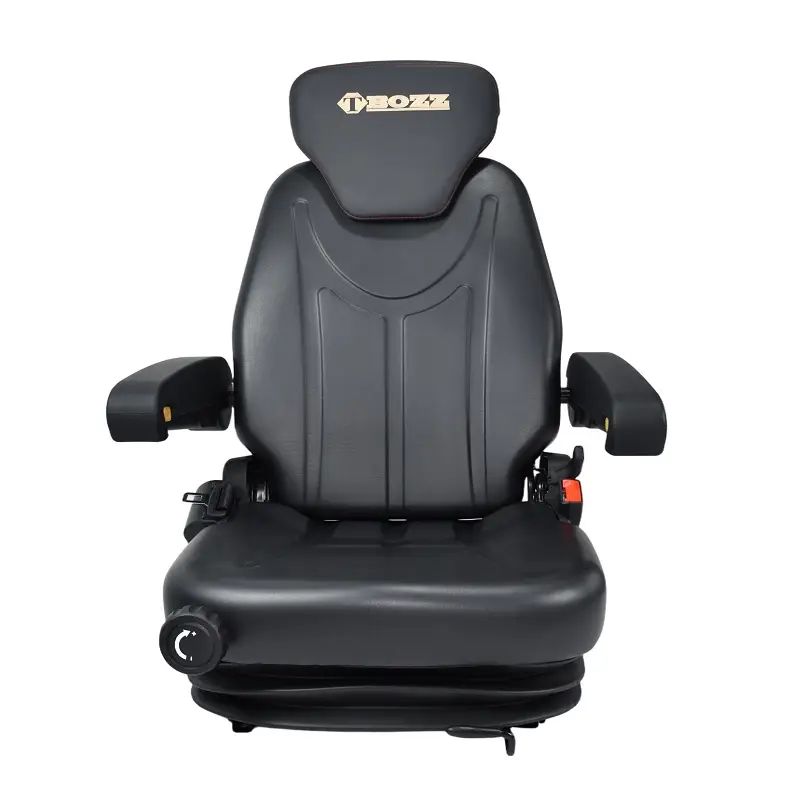
Modular design is the foundation of replaceable seat systems. It allows individual components to be detached, repaired, or replaced without affecting the integrity of the entire structure. Key modular components in industrial seats include seat cushions, backrests, suspension units, sliders, and adjustment controls. Each of these parts is designed to function independently while integrating seamlessly into the overall system.
At Source One, we design modular seating systems that simplify maintenance processes and reduce the need for specialized repair tools. This approach significantly improves service efficiency in industrial environments. A well-engineered forklift driver seat must therefore incorporate replaceable components to ensure long-term operational flexibility and cost-effective maintenance.
Reducing Lifecycle Costs Through Replaceable Components
One of the most significant advantages of replaceable parts is the reduction in lifecycle costs. Instead of replacing an entire seat when a single component fails, operators can replace only the affected part.This targeted repair strategy significantly reduces material waste and procurement costs. It also minimizes downtime, allowing machinery to return to operation more quickly.
In large-scale industrial operations, these cost savings can accumulate significantly over time, improving overall equipment efficiency and budget control. At Source One, we prioritize lifecycle cost optimization by designing seating systems that support easy disassembly and part replacement.
Common Replaceable Components in Industrial Seats
Industrial seat systems typically include several key replaceable components. Each plays a critical role in maintaining comfort, safety, and functionality. Seat cushions are among the most frequently replaced parts due to continuous pressure and wear. High-density foam materials are often used, but over time, compression and deformation require replacement to maintain ergonomic performance.
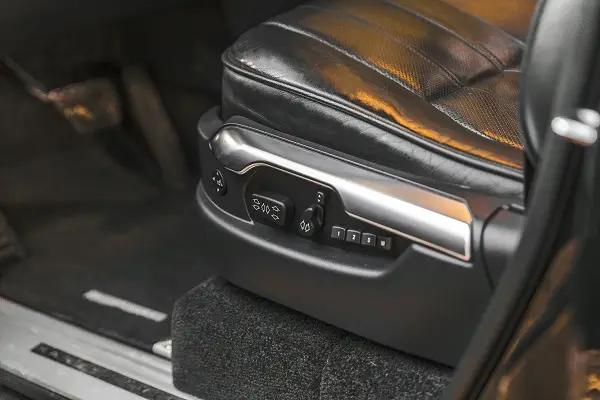
Suspension units are another critical component. These systems absorb vibration and shock, and over time, springs or dampers may lose efficiency and require replacement. Adjustment mechanisms such as sliders and tilt controls also experience mechanical wear due to repeated usage, making them important candidates for modular replacement design.
Material Engineering and Component Durability
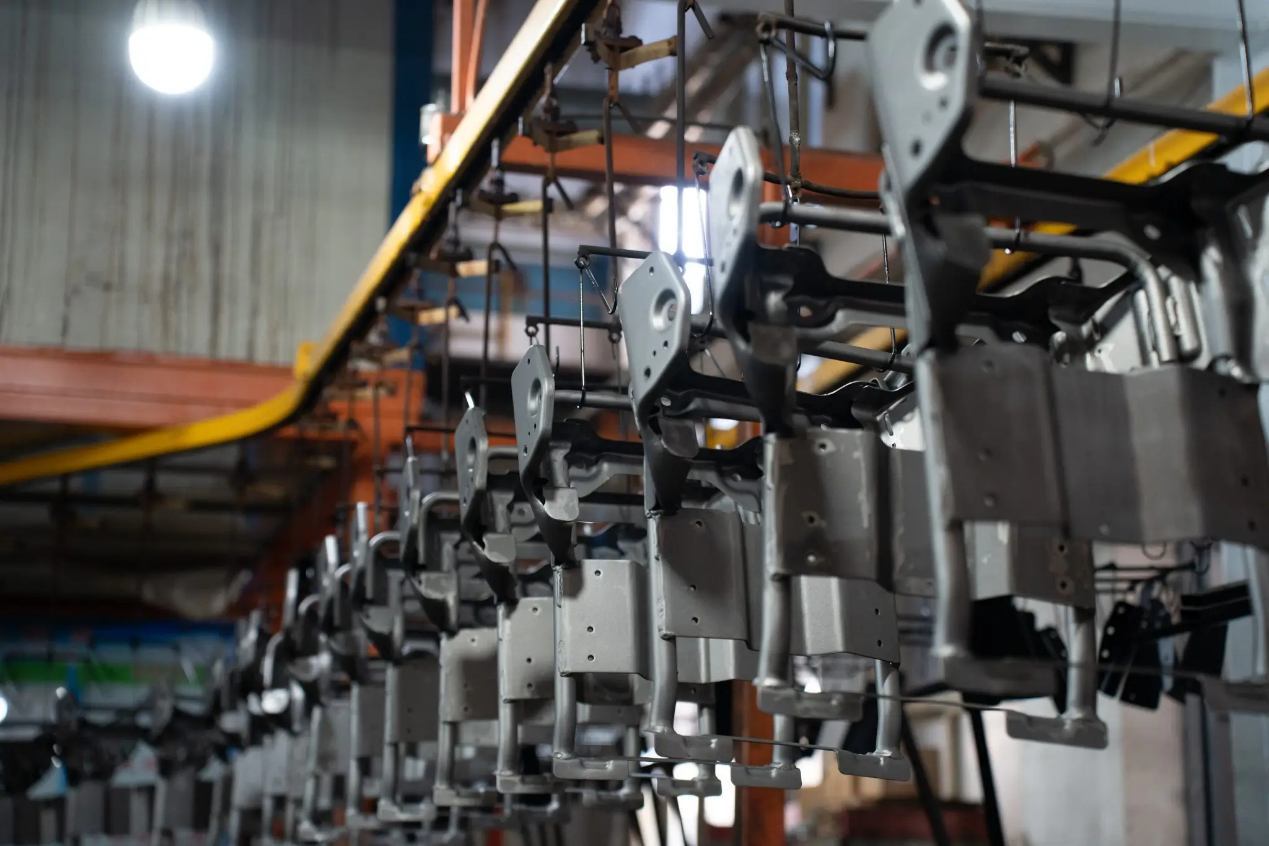
While replaceability is important, durability remains a key factor in reducing maintenance frequency. High-quality materials extend the lifespan of each component, reducing the need for frequent replacement. High-strength steel is commonly used in seat frames for its structural stability, while engineered plastics and reinforced polymers are used in non-load-bearing components to reduce weight and improve wear resistance. Surface treatments such as powder coating and electrophoretic coating protect metal parts from corrosion and environmental damage, further extending service life. In our manufacturing process, we carefully balance durability and replaceability to ensure optimal performance throughout the product lifecycle.
Suspension Systems and Replaceable Engineering Design
Suspension systems are one of the most important functional elements in industrial seats. They absorb vibration and protect both the operator and the seat structure from excessive mechanical stress. However, suspension components are also subject to wear over time due to continuous motion and load pressure. Designing these systems as replaceable modules significantly improves long-term serviceability. Mechanical suspension systems typically include springs, dampers, and linkage structures that can be individually replaced when performance degradation occurs. At Source One, we test suspension systems under long-cycle fatigue conditions to ensure that each component can be easily maintained or replaced without affecting overall seat performance.
Ergonomics and Replaceable Design Integration
Ergonomic design and replaceable components work together to enhance long-term usability. When seats are ergonomically optimized, they experience more uniform wear distribution, reducing stress on individual components. However, even well-designed ergonomic systems require periodic replacement of certain parts to maintain optimal comfort and performance. Replaceable ergonomic components such as cushions and backrests ensure that operator comfort remains consistent over time without requiring full seat replacement. This approach improves both user experience and maintenance efficiency in industrial environments.
Application in Forklift and Industrial Machinery
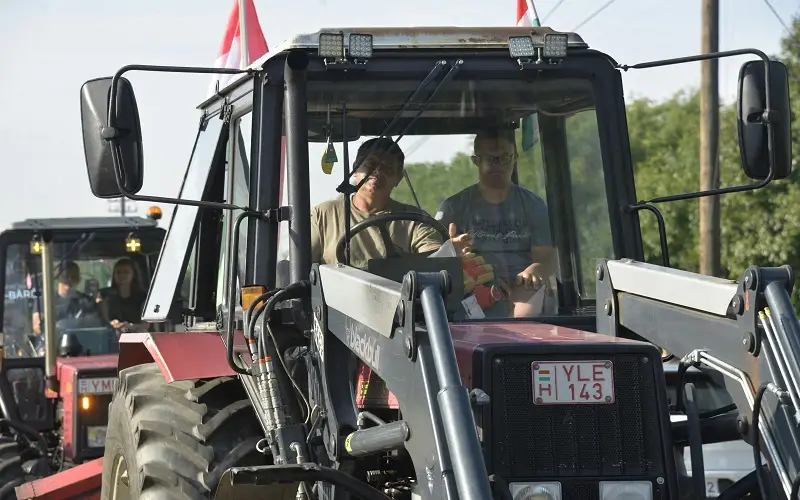
Replaceable seat components are especially important in forklifts and industrial vehicles that operate continuously in warehouses, construction, and logistics environments. Forklifts require compact seating systems that can withstand frequent use and tight operational cycles. Replaceable parts allow quick maintenance without significant downtime, which is essential for warehouse productivity. In construction machinery, seats are exposed to more extreme vibration and environmental conditions, making modular replacement even more critical. In these applications, a well-designed forklift operator seat must combine durability with modular serviceability to ensure long-term operational efficiency.
Manufacturing Strategy and Quality Control
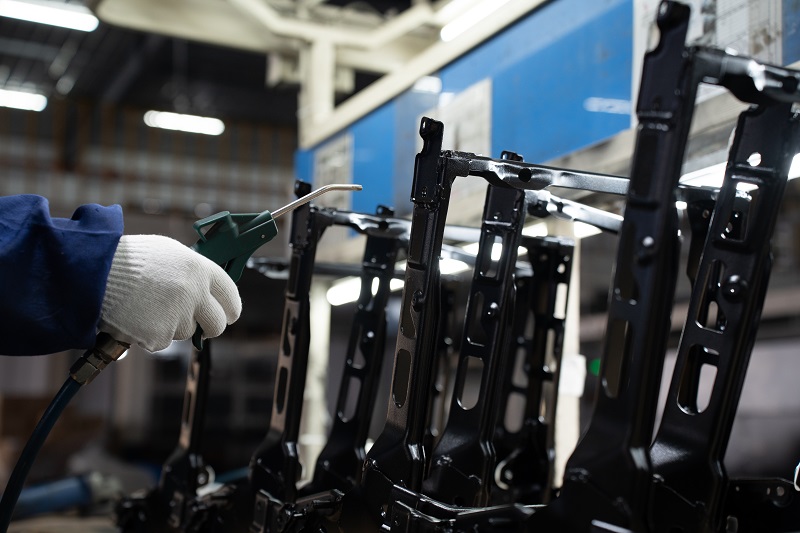
At Source One, we implement integrated manufacturing processes including stamping, welding, foam molding, and precision assembly to ensure consistent quality across all components. Each replaceable part undergoes rigorous testing to ensure compatibility, durability, and ease of installation. This ensures that maintenance teams can perform replacements efficiently without compromising seat performance. Our modular design philosophy is centered on improving serviceability while maintaining structural integrity and ergonomic performance.
Conclusion
Replaceable parts are a critical factor in modern industrial seat design. They reduce maintenance costs, improve operational efficiency, and extend product lifespan. Through modular engineering, durable materials, and precision manufacturing, seating systems can achieve both long-term reliability and service flexibility. As a professional OEM and ODM manufacturer, Source One continues to develop advanced industrial seating solutions that integrate replaceability into every stage of design. This ensures that industrial operators benefit from lower lifecycle costs and improved performance across demanding working environments.